

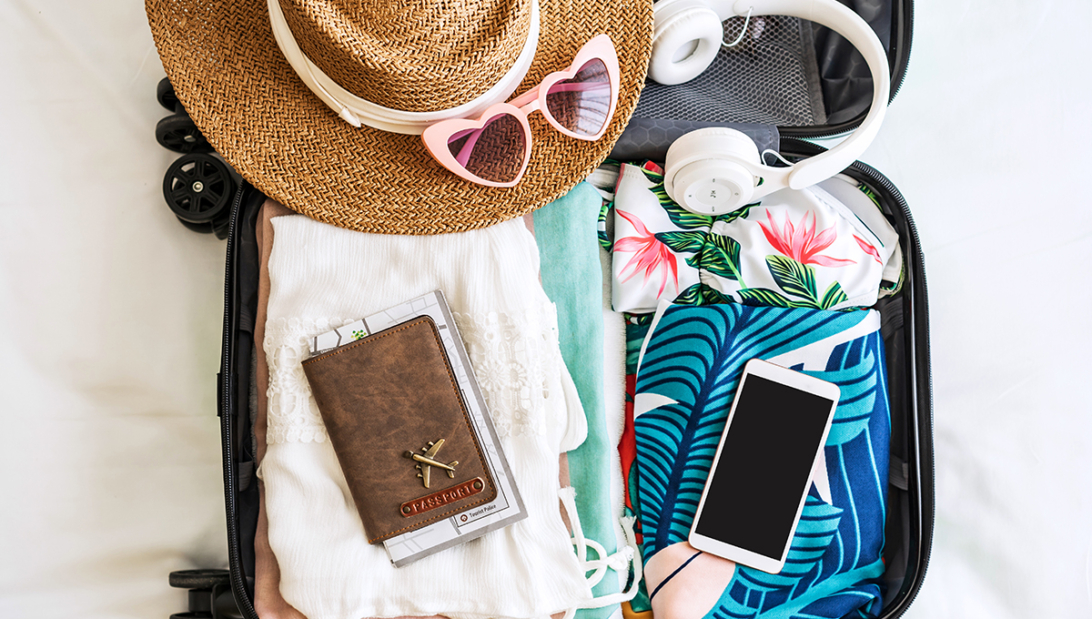
It’s 11pm, your flight to Europe leaves at 6am, and your suitcase is open on the bed looking like a jumble sale. Sound familiar? Almost every traveller we speak to at Vibes Group has had that exact moment, the panicked “what to pack for a Europe trip” search at midnight, three jumpers and a swimsuit later, still no closer to an answer.
We’ve spent years booking flights, hotels and holiday packages across Europe for travellers from the UK, and if there’s one thing we hear more than any other question, it’s this: what should I actually pack? Not the generic “bring a passport and a phone charger” advice, the real, useful, “I wish someone had told me this before I left” kind of guidance.
So we built this guide to be exactly that. Whether you’re island-hopping around Greece, chasing snow in the Alps, or doing the classic London-to-Rome-to-Barcelona run, this is your one-stop Europe packing list – built from real travel experience, not a generic checklist copied from somewhere else.
Why Knowing What to Pack for a Europe Trip Actually Matters
Europe isn’t one destination, it’s 44 countries, a dozen climates, and at least three different plug socket types. The biggest mistake travellers make isn’t forgetting their toothbrush; it’s packing for “Europe” as if it’s a single place, when a July week in Santorini and a July week in the Scottish Highlands call for almost opposite wardrobes.
Getting your europe packing list right does three things for you:
- It saves money. Forgotten chargers, adapters and toiletries bought at airport prices add up fast.
- It saves your back. Overpacking means dragging an extra bag through cobbled streets and up four flights of stairs in a Parisian walk-up.
- It saves your holiday mood. Nothing deflates day one of a long-awaited trip like realising you’ve left your only phone charger at home.
This guide walks through exactly what to pack for a Europe trip, step by step – documents first, then clothing, electronics, toiletries, and the smart packing strategies that make a two-week, five-country trip feel as light as a long weekend.
Step 1: Documents and Money – Sort These Before You Touch Your Suitcase
Before you even think about clothes, get your essentials in order. This is the part of any europe travel essentials checklist that people remember too late, usually at airport security.
- Valid passport, most European countries require at least 6 months’ validity remaining from your date of entry. Check this the moment you book.
- Visa documentation, if required for your nationality or length of stay. Requirements vary by country and have changed since the UK left the EU, so it’s worth double-checking ours: our Visa Requirements page is regularly updated for UK travellers heading across Europe.
- Travel insurance documents, printed and digital copies.
- GHIC (Global Health Insurance Card), for UK travellers, which covers some state healthcare costs in EU countries.
- Driving licence and International Driving Permit, if you’re planning to hire a car. Rules differ by country, so check our Travel Requirements page before you go.
- A mix of payment methods, a contactless travel card, a small amount of local currency in cash, and a backup card kept separately from your main wallet.
- Printed booking confirmations for flights, hotels and any pre-booked excursions, just in case Wi-Fi fails you at the worst moment.
If you’re booking a package holiday with us, your travel consultant will confirm exactly what documentation you need for your specific itinerary – one of the genuine advantages of booking with a travel agency rather than piecing a trip together yourself.
For the official, government-verified position on entry requirements, passport validity and travel advisories by country, the UK Government’s Foreign Travel Advice service is the most trustworthy source available, and we’d recommend checking it for your specific destination shortly before departure, since advice can change.
Step 2: The Core Europe Trip Checklist – Clothing That Works Everywhere
Here’s the heart of any solid europe trip checklist: the clothing base layer that works whether you’re in Lisbon or Ljubljana.
The capsule wardrobe approach

Rather than packing “a lot of everything,” pack a small number of pieces that all mix and match:
- 4–5 tops (a mix of short and long sleeve)
- 2 pairs of trousers or one pair of trousers plus a skirt/shorts
- 1 versatile dress (for evenings out or warmer days)
- 1 light jacket or cardigan for layering
- 1 weather-appropriate outer layer (see seasonal section below)
- 5–7 days’ worth of underwear and socks – even on a longer trip, you can wash and re-wear
- Comfortable walking shoes – broken in, never brand new
- One smarter pair of shoes for dinners or evenings
- Sleepwear
- A swimsuit, even in shoulder season – hotel pools and spas exist year-round
Why colour coordination matters more than you’d think
Pick one or two base colours (navy, black, beige, olive) and build everything around them. It sounds like a styling tip, but it’s actually a packing efficiency tip – every item works with every other item, so a 5-day trip’s worth of outfits comes from half the luggage space.
Step 3: What to Bring to Europe by Season
This is where most generic packing guides fall short – they treat Europe as having one climate. It doesn’t. Here’s what to bring to Europe depending on when you’re travelling.
Spring (March–May)
Unpredictable is the word. Pack layers: a waterproof jacket, a jumper, and at least one pair of trousers that can handle a sudden downpour. Cities like Paris and Amsterdam are gorgeous in spring but can swing from sunny to drizzly within hours.
Summer (June–August)
Lightweight, breathable fabrics (linen and cotton over synthetics), a wide-brimmed hat, sunglasses, and high-SPF sunscreen are non-negotiable – especially for destinations like Greece or Spain, where summer temperatures regularly climb past 30°C. A compact travel fan and reusable water bottle earn their space in your bag here.
Autumn (September–November)
Often the most pleasant time to explore Europe — mild days, cool evenings. A mid-weight jacket, scarf, and one warm jumper cover most of what you’ll need, whether you’re exploring vineyards in France or city-breaking somewhere further north.
Winter (December–February)

This is where packing for Europe genuinely changes by region. A festive city break to a Christmas market is a very different packing list to a ski trip. If you’re chasing snow, look at mountain destinations like Switzerland or Norway – for those, prioritise thermal base layers, waterproof boots, gloves, and a proper insulated coat, not just a “London winter” jacket.
Step 4: Packing for a Europe Vacation – Smart Strategies That Actually Work
Packing for a Europe vacation isn’t just about what goes in the bag – it’s about how. A few strategies our most well-travelled clients swear by:
- Use packing cubes. They compress clothing, keep categories separated, and make repacking in a new hotel room every two or three nights (common on multi-city Europe trips) far less chaotic.
- Roll, don’t fold. Rolled clothing takes up less space and creases less.
- Wear your bulkiest item on the plane. That heavy coat or boots take up far less luggage space worn than packed.
- Leave 20% of your suitcase empty. Souvenirs, an extra layer you didn’t expect to need, gifts – you’ll fill that space, guaranteed.
- Pack a foldable tote bag. Useful for day trips, markets, and as an emergency extra bag on the way home.
Step 5: How to Pack for 2 Weeks in Europe Without Overpacking
If you’re wondering how to pack for 2 weeks in Europe with just one suitcase (or even carry-on only), the trick isn’t packing more – it’s packing smarter for repetition and laundry access.
- Plan for 5–7 days of clothing, not 14. Almost every hotel area has a launderette, or many hotels offer laundry service – use it once mid-trip and halve your luggage needs.
- Choose one pair of shoes that does everything – comfortable enough for walking tours, smart enough for dinner.
- Pack travel-size toiletries and top up at a local pharmacy if needed, rather than carrying full-size bottles across multiple countries.
- If you’re visiting multiple climates (say, a Mediterranean leg followed by an Alpine leg), pack for the most extreme conditions and layer for everything in between, rather than packing two entirely separate wardrobes.
- Digitise what you can. Boarding passes, hotel confirmations, even guidebooks – fewer paper items means more case space for clothing.
This is exactly the kind of itinerary our travel consultants help plan every week, multi-destination trips like a Toulouse and Strasbourg twin-city French escape, where the climate, terrain and culture shift noticeably between stops. If you’re planning something similar, it’s worth speaking to a consultant who already knows the practical side of each leg.
Step 6: Electronics, Adapters and the Small Things People Always Forget
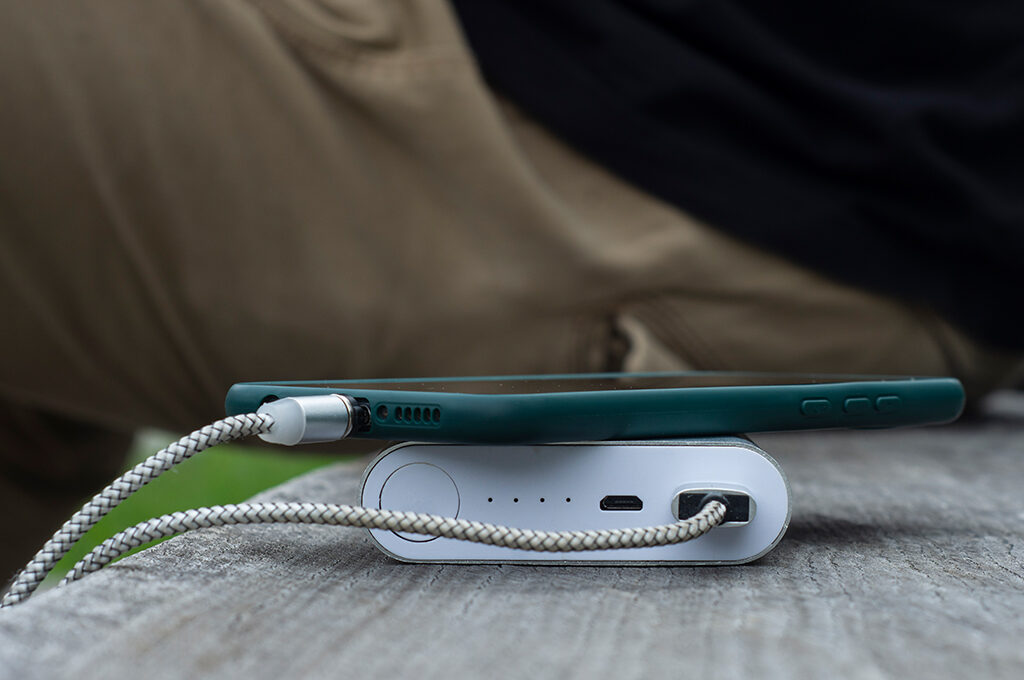
Europe doesn’t use one universal plug type, and this trips up even experienced travellers.
- Type C or Type E/F two-pin plug adapter for most mainland Europe.
- Type G adapter is not needed within mainland Europe (that’s UK/Ireland), but you will need one of the European types when travelling from the UK.
- Portable power bank, charged before departure, useful for long train journeys and full days of sightseeing.
- A universal adapter with USB ports is the single most efficient item on this list; it replaces several single-purpose adapters.
- An e-SIM or local data plan sorted before arrival saves you the airport SIM-kiosk scramble.
- A lightweight padlock for hostel lockers or as extra security on a suitcase zip.
Step 7: Toiletries and Health Essentials
Keep this section lean – most of it is replaceable at your destination, but a few things are worth packing from home:
- Prescription medication in original packaging, with a copy of the prescription
- A basic first-aid kit: plasters, paracetamol, rehydration sachets, motion sickness tablets
- Travel-size toiletries within hand luggage liquid limits (100ml containers, in a clear resealable bag)
- Sunscreen, even in cooler months – UV exposure at altitude (think Alpine regions) is often underestimated
- Hand sanitiser and a small pack of tissues for trains, public toilets, and long travel days
The Quick-Reference Europe Packing List Checklist
Here’s the condensed version of everything above – save this, screenshot it, or print it before you start packing.
Documents & Money
- Passport (6+ months validity) and visa, if required
- Travel insurance documents and GHIC
- Driving licence/IDP if hiring a car
- Mixed payment methods (card + small cash)
- Printed booking confirmations
Clothing
- 4–5 tops, 2 bottoms, 1 dress, 1 light layer, 1 weather-specific outer layer
- 5–7 days of underwear/socks
- Comfortable walking shoes + one smarter pair
- Swimsuit, sleepwear
Electronics
- European plug adapter (universal, USB-enabled)
- Phone charger and power bank
- E-SIM or local data sorted in advance
Toiletries & Health
- Travel-size liquids in a clear bag
- Prescription medication + basic first-aid kit
- Sunscreen, hand sanitiser
Smart Extras
- Packing cubes
- Foldable tote bag
- Lightweight padlock
Common Packing Mistakes to Avoid
- Overpacking “just in case” items. If you haven’t worn it in the last year at home, it isn’t earning its place in your suitcase.
- Ignoring local dress codes. Many European churches and cathedrals require covered shoulders and knees – pack one lightweight layer specifically for this.
- Forgetting that “Europe” spans wildly different climates in the same month – always check the specific weather for your specific destination, not Europe as a whole.
- Packing brand-new shoes. Break them in for at least two weeks before any trip involving serious walking.
- Leaving travel insurance and document copies until the night before. Sort these first, not last.
Final Thoughts: A Good Packing List Is the Start of a Good Trip
Knowing what to pack for a Europe trip isn’t really about the suitcase at all – it’s about removing the small frictions that get in the way of actually enjoying where you are. Nobody remembers a holiday for how light their luggage was, but everybody remembers the holiday where they forgot the charger, the adapter, or the one warm layer they actually needed.
Use this guide as your europe packing list for every trip from here, whether it’s a long weekend or a full two-week, five-country adventure, and spend less time worrying about your suitcase and more time enjoying your trip.
If you’re still deciding where in Europe to go, that’s exactly where we come in. Our travel consultants put together holiday packages across some of Europe’s most loved destinations from France and Spain to Switzerland, Greece, Poland, Germany and beyond – all backed by ATOL protection and flexible payment options. Browse our current Holiday Deals or get in touch with a consultant to start planning your next Europe trip, and we’ll help make sure the only thing left to do is pack.
Ready to turn this packing list into an actual itinerary? Get in touch with Vibes Group and let’s find your next Europe holiday.
FAQs about What to Pack for a Europe Trip
Q: What should I pack first for a Europe trip?
Documents and money. Confirm passport validity, visa requirements, travel insurance and your GHIC before packing a single item of clothing – these are the things that can stop a trip before it starts.
Q: Do I need different packing lists for different European countries?
The core essentials stay the same, but climate-specific items change significantly. A Mediterranean summer trip and an Alpine winter trip need almost opposite wardrobes, even though both are “Europe.”
How many outfits do I need to pack for 2 weeks in Europe?
Around 5–7 days’ worth, supplemented with a laundry day mid-trip. Packing for the full 14 days without washing anything usually means an oversized, overweight suitcase.
Q: What’s the one thing people most often forget to pack for Europe?
A universal plug adapter with USB ports, and a printed copy of travel insurance documents – both are easy to forget and genuinely inconvenient to source last-minute.
Q: Is it better to check a bag or travel carry-on only for a Europe trip?
For trips involving multiple cities or train travel, carry-on only is far easier – fewer stairs, no lost luggage risk, and faster transfers between destinations.