

Ask ten people when is the best time to book a cruise and you’ll get ten different answers, and here’s the thing, most of them are partly right. A cabin that costs £899 in March can cost £1,400 for the exact same sailing by June, and £650 again three weeks before departure. Same ship, same room, same itinerary. What changed wasn’t the cruise, it was demand, and cruise lines price around it constantly, the way airlines do with flight seats.
Most people book on instinct, either grabbing the first deal they see or holding out and hoping for a discount that may never come. Neither is wrong exactly, but neither is a strategy. Once you understand the two pricing systems cruise lines actually run on, strategic sales planned months ahead, and tactical discounts triggered by how a specific sailing is selling, choosing when to book stops being a guessing game.
Understanding Cruise Pricing and Booking Times
Strategic Discounting vs Tactical Discounting

Cruise lines discount in two distinct ways, and knowing the difference changes how you should approach booking.
Strategic discounting is planned well in advance, Black Friday sales, Wave Season, seasonal promotions. These apply broadly across entire fleets and cabin categories, usually announced 12 to 18 months before the relevant sailings, designed to fill a baseline of cabins before relying on natural demand to do the rest.
Tactical discounting works more like airline yield management. If a specific sailing is undersold, the price drops to fill it. If it’s selling well, the price holds or climbs. Cabins are considered perishable inventory, once a ship departs, any empty cabin is revenue the line can never recover, which is exactly why steep last-minute drops happen on some sailings and never on others. You genuinely cannot predict which ones in advance.
Early Booking vs Last Minute A Straight Comparison
| Book Early (6–18 months out) | Book Last Minute (6 weeks or less) | |
| Price | Lowest advertised opening fare | Possible deep discount, not guaranteed |
| Cabin choice | Full choice of exact location | Guarantee (GTY) cabins only, or very limited stock |
| Dining times | Preferred seating secured | Whatever’s left |
| Shore excursions | Best slots still available | Popular excursions often already sold out |
| Flights | Full choice, better fares if booking separately | Risk of expensive last-minute airfares |
| Best suited to | Families, fixed dates, specific requirements | Flexible solo travellers, couples, empty nesters |
A note on Guarantee cabins: booking a “GTY” stateroom means you’re guaranteed a cabin in that category, but not the exact location, you won’t know where until close to departure. If your chosen category sells out, you can end up bumped to a higher category for free. If exact location matters to you, skip it.
How To Decide Which Strategy Actually Suits You
Ask yourself three questions before deciding:
- Do I need specific dates? (school holidays, a special occasion) → book early
- Do I care which cabin, deck or side of the ship I get? → book early
- Am I flexible on destination, ship and exact dates? → last minute could work in your favour
If you answered yes to either of the first two, waiting rarely pays off, the sailings that matter most to you are the ones least likely to see a tactical discount, since family-friendly cabins and peak-season dates sell out well before prices ever drop.
Best Time To Book A Cruise For 2027

For most 2027 sailings, 6 to 12 months out is the sweet spot balancing price and choice. Push that to 12 to 18 months if you want a specific ship, a suite, or a peak summer Mediterranean date. January through March, traditional Wave Season, tends to bring the strongest combination of discounted fares and added perks like onboard credit or free upgrades, though several lines now extend similar offers into April.
Paying in full early can save you more. Some lines offer an additional discount, often around 10%, for paying the full balance 365 days or more before departure, worth checking directly with whichever line you’re considering, since this isn’t standard across the industry.
Best Time To Book A Caribbean Cruise
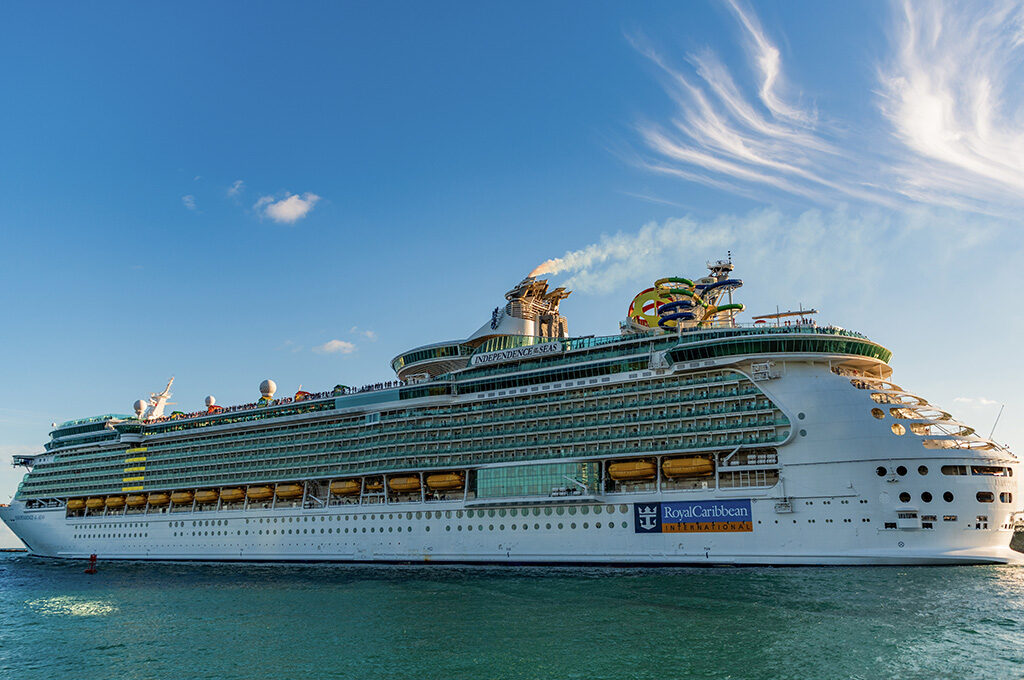
Caribbean peak season runs December through April, covering winter and spring school holidays, and these sailings fill fast. Book early if you want a specific cabin or you’re sailing over Christmas, New Year or Easter. This 4-night Key West and Bimini Beach Club sailing departing early December is a good example of how far fares can move depending on when you book, entry-level cabins currently start from £379.50pp, well below where they’ll likely sit closer to departure.
Late summer and early autumn are Caribbean shoulder season and genuinely your best shot at a last-minute deal, provided you’re comfortable with the small chance of tropical storms during hurricane season and flexible on ship choice.
Best Time To Book A Mediterranean Or European Cruise
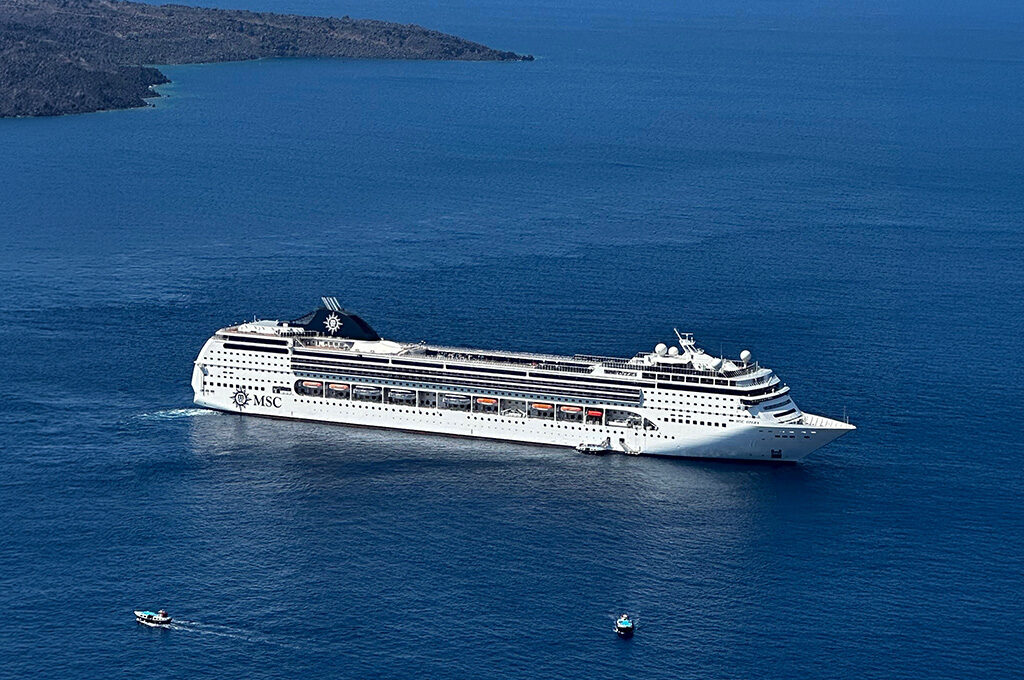
July and August see the fiercest competition for Mediterranean cruises, as European families holiday during this window. If you want to sail then, book early. Shoulder season, April, May, early June, September and October, has become just as popular with savvy travellers wanting fewer crowds at sights like the Colosseum or Sagrada Família, so don’t assume shoulder season automatically means cheaper or easier to book, it often sells out nearly as fast now.
September and October are also widely regarded as the best months to book for the following year’s summer Mediterranean and Caribbean sailings, since lines typically release their strongest early-booking incentives during this window. An 8-night Barcelona to Athens sailing departing next May, taking in Rome, the Amalfi Coast and Mykonos along the way, illustrates this well, fares currently start from £1,334pp, but cabin availability on the lower-priced categories is already narrowing.
Best Time To Book A Cruise To Alaska

Alaska runs on different logic to the Caribbean or Mediterranean. The season is short, June through August for peak sailings, and demand is high with limited ship capacity compared to other regions. Small-vessel excursions to glaciers and wildlife areas sell out fast, sometimes months ahead, so if Alaska is the destination, book early regardless of your usual strategy. This 7-night Glacial Fjords and Coastal Views sailing from Seattle, taking in Ketchikan, Sitka and Tracy Arm’s twin glaciers, is a good example, fares start from £726.80pp, but Alaska’s short season means the cheaper cabins don’t tend to stick around.
Shoulder season sailings (May or September) can bring fewer crowds and drier weather, but even these are worth booking ahead rather than gambling on a late discount, since Alaska’s short season means there’s simply less unsold inventory to trigger tactical drops.
Best Day And Time To Book
If you’re tracking a specific sailing, check prices earlier in the week. Sunday through Wednesday tends to run cheaper than Thursday or Friday, when more people book flights, hotels and cruises for imminent weekend travel, pushing demand and price up together. The same pattern shows up with flights too, the cheapest days to fly from the UK follow a similar midweek logic, worth bearing in mind if you’re booking flights alongside your cruise rather than going fly-cruise inclusive.
Black Friday And Cyber Monday
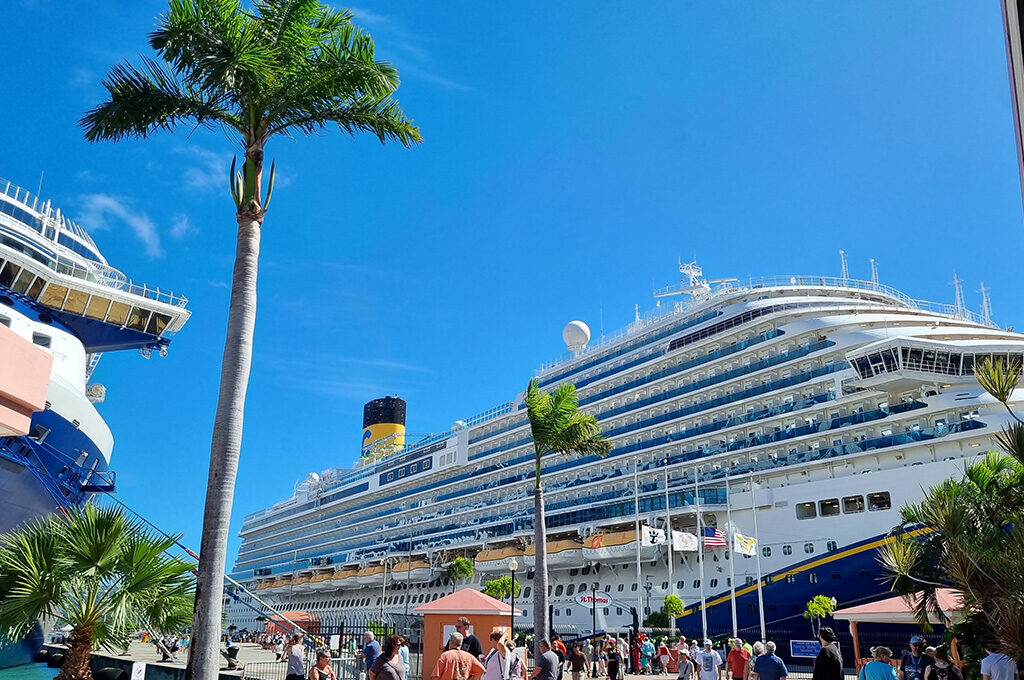
This is one of the most reliable windows in the entire cruise calendar. Look out for discounted fares, stateroom upgrades, onboard credit, low deposits, and offers letting a third or fourth guest sail free, a genuine win for families. Deals often start appearing in the run-up to Black Friday itself and extend through Cyber Monday, sometimes further. If you’re watching a specific sailing, this is worth building into your timeline rather than treating as a bonus. Presidents’ Day, Memorial Day and Labor Day in the US calendar are worth watching too, even for UK bookers, since many lines run global promotions around these dates.
How To Actually Track Prices For A Last Minute Deal
Vague advice to “keep an eye on prices” isn’t much use, so here’s the practical version:
- Set a price alert through a cruise-specific tracking tool or app, input your preferred itinerary, dates and cabin category, and let it notify you of changes rather than checking manually
- Follow 2-3 target sailings, not one. Flexibility across itineraries dramatically increases your odds of catching a genuine tactical discount
- Watch the final payment deadline date for your target sailing, typically 90-120 days before departure, this is when unpaid cabins re-enter the system and tactical discounting often kicks in
- Check pricing in the cruise line’s home currency too, particularly for US-based lines. Exchange rate movement between GBP and USD can occasionally make an already-discounted fare even better or worse for UK cruisers, so it’s worth a quick check before booking, not just watching the headline price
- Check visa and entry requirements before committing to a late booking. If your itinerary includes a port requiring a visa, leaving it too late can mean missing the departure entirely even if the price is right. GOV.UK’s foreign travel advice is the most reliable place to check current entry requirements by country before you book, some process quickly online, others don’t.
A word of caution: if it’s your first cruise, don’t book purely on price. Getting the wrong ship or itinerary because it happened to be cheap tends to cost more in disappointment than it saved in cash.
Booking Your Next Cruise While You’re Already On One
If you’re already on board, it’s worth knowing many ships carry booking specialists who can help you plan your next sailing before you’ve even disembarked. Onboard booking incentives are common, discounts, onboard credit toward drinks or excursions, and occasionally a free cabin upgrade, and these offers are usually time-limited to before your current cruise ends. If you already have a travel agent, the booking can still be linked to them, so you’re not choosing between the two.
So When Should You Actually Book
There’s no universally correct answer to when is the best time to book a cruise. It comes down to whether you need certainty or can tolerate risk. Book early for the best cabin, dining time and peace of mind, particularly if you’re inflexible on dates or travelling as a family. Wait if you’re genuinely flexible and don’t mind uncertainty. Either way, understanding how the pricing actually works, strategic sales versus tactical discounting, puts you in a stronger position than simply hoping for the best.
If you’d rather compare live pricing across several lines and sailings side by side, current cruise deals through Vibes Group UK span a wide range of departure dates, so you can see how early versus late pricing plays out before deciding when to book.
FAQs about When is the Best Time to Book a Cruise
How far in advance can you book a cruise?
Many lines open bookings 18 to 24 months before departure, and for the most in-demand sailings, ships or cabin categories, booking as soon as they’re released is worth considering.
How late is too late to book a cruise?
In theory, right up until the day before departure, once the passenger manifest is submitted to authorities, bookings close. Genuine last-minute bargains can appear in the final weeks, but choice becomes limited.
Do cruise prices really drop closer to departure?
Sometimes, particularly just after the final payment deadline when unpaid cabins are released back into inventory, but this isn’t guaranteed and depends entirely on how well that sailing has sold.
Is it cheaper to book directly with the cruise line or through an agent?
Prices are usually similar, but a good agent can often surface bundled perks, onboard credit or upgrades not always visible when booking direct. At Vibes Group UK, we compare pricing and perks across multiple lines and sailings, so it’s worth checking current cruise deals before booking directly, you may find the same cabin comes with more included.
Should families book early or wait for a last-minute deal?
Families should generally book early. School holiday sailings and family-friendly cabin configurations are in high demand and rarely see deep last-minute discounts, since they sell out well before that stage.
Does the exchange rate affect cruise prices for UK travellers?
Yes, if you’re booking with a US-based line pricing in dollars, GBP-to-USD movement can shift the effective price even after a discount is applied, so it’s worth checking the current rate alongside the headline fare.