

There’s a particular kind of panic that sets in a week before a safari. The suitcase is open on the bed. Three packing lists sit open in browser tabs. None of them agree on whether you need a head torch. Pack too much, and you’ll be hauling an overweight bag through three airports. Pack too little, and you’re re-wearing the same shirt for a week of dusty game drives. Knowing what to take on safari, and what to leave at home, makes all the difference.
This guide covers exactly what to take on safari. We’ll run through clothing, footwear, and the small extras that rarely make it onto generic lists. Pack once, pack properly, and save your energy for the lions.
Why What You Pack for an African Safari Matters
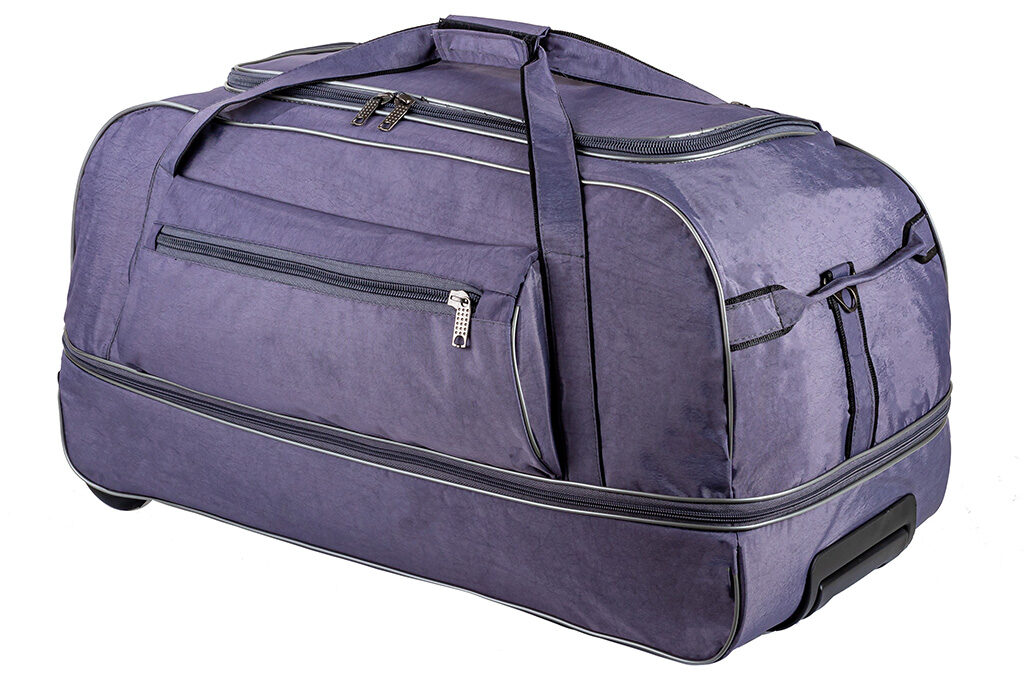
Safari travel has a few quirks that beach holidays don’t. Many light-aircraft transfers between camps have strict luggage limits, often around 15kg in a soft bag. So what to take on safari isn’t just about comfort. It’s about what will physically fit. Game drives start before sunrise, when it can feel close to freezing. By midday, temperatures climb into the 30s. Layering matters here more than on almost any other type of holiday. And most camps sit miles from the nearest shop. Forget something, and you’ll likely go without it for the rest of the trip.
What to Wear on Safari: Clothing That Actually Works
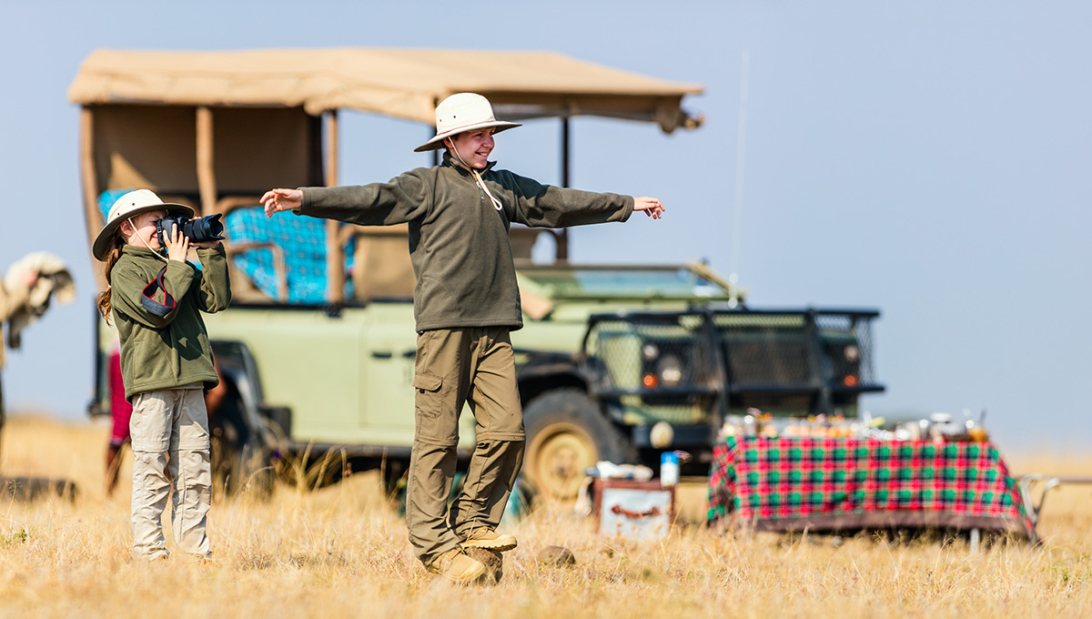
If you only take one piece of advice on what to wear on safari, make it this: think layers, not statement pieces. Neutral colours such as khaki, stone, olive and soft brown are the standard safari packing list advice, and for good reason. Bright colours and white can spook wildlife. Dark blue or black can attract tsetse flies in some regions.
A realistic safari packing list for clothing includes:
- 3-4 lightweight, long-sleeved shirts for sun and insect protection
- 2-3 pairs of convertible trousers that zip into shorts
- A warm fleece or packable down jacket for early morning drives
- A lightweight waterproof jacket, especially for East Africa’s green season
- Comfortable sleepwear and a couple of casual outfits for camp dinners
- A wide-brimmed hat and a good pair of sunglasses
- Swimwear, since many lodges have a pool
Keep laundry in mind too. Most camps offer next-day laundry. You don’t need seven of everything. Four to five days of clothing on rotation is usually plenty, even for a two-week trip.
Safari Footwear: What to Take on Safari for Your Feet
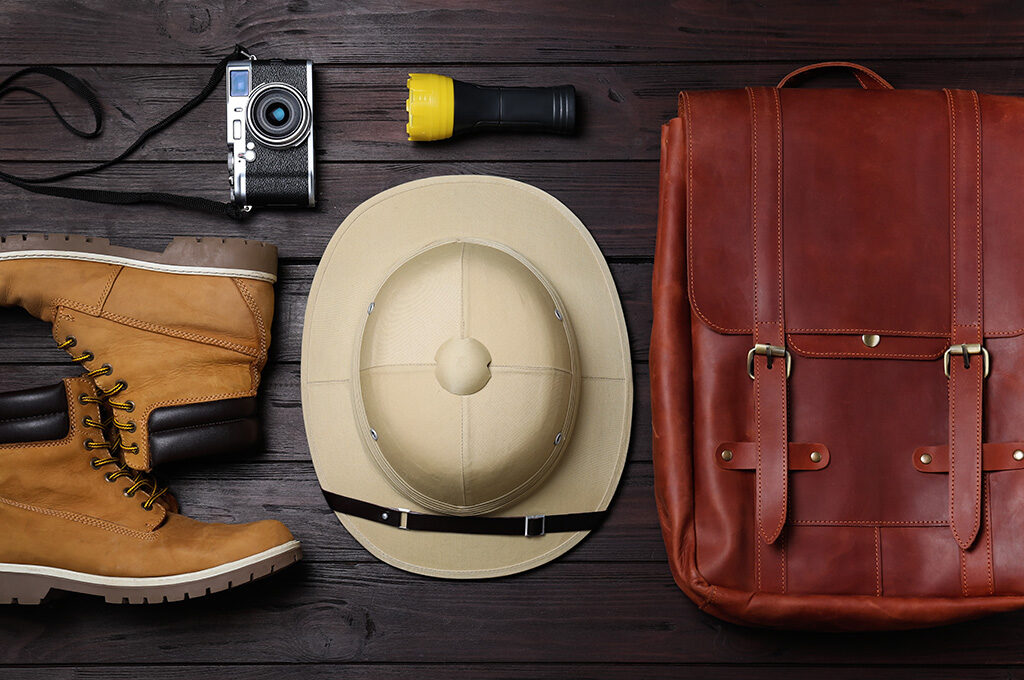
Footwear is one area where people over-pack. For a standard vehicle-based safari, comfortable trainers or lightweight walking shoes are enough for game drives and camp walkways. If your itinerary includes a walking safari, sturdy ankle-supporting hiking boots earn their weight in your bag. Add a pair of flip-flops for the pool and evenings, and your footwear list is sorted without eating up luggage space.
Safari Packing List: Gear, Health and Practical Essentials
This is where most people’s safari packing list falls short. A little forward planning pays off here.
Optics and photography A decent pair of binoculars is the single most-used item on any safari packing list. Most camps have a few to borrow, but sharing rarely beats having your own, especially when a guide spots something fast-moving and everyone wants a closer look at once. If you’re serious about photography, a telephoto lens in the 100-400mm range covers most wildlife shots without needing to get dangerously close to animals. Bringing a camera? Pack a spare battery and enough memory cards, since charging points can be limited to communal areas or solar power banks. A simple rain cover or dry bag for your camera is also worth the little extra weight, since dust and the odd unexpected shower are both common on open vehicles.
Health and comfort
- A broad-spectrum, water-resistant sunscreen and aftersun
- Insect repellent containing DEET, applied to skin and clothing
- A basic first-aid kit, with any medication in its original packaging
- Hand sanitiser and a reusable water bottle
- Motion sickness tablets, since safari vehicles cover uneven terrain
Practical extras
- A head torch for moving around camp after dark
- A lightweight daypack for game drives
- A universal travel adaptor and a portable power bank
- A soft-sided duffel bag rather than a hard-shell suitcase, since it’s far easier for camp staff to load onto light aircraft
Heading to East Africa? Check the latest guidance on recommended vaccinations and anti-malarial medication well ahead of departure. Aim for six to eight weeks before you fly, so any courses have time to take effect.
What NOT to Pack for Safari
Knowing what to leave behind matters just as much as knowing what to take on safari. Skip camouflage clothing, which is restricted for civilians in several African countries, including for tourists simply wearing it as fashion rather than for any military purpose. Leave bright white, black or navy clothing at home for the reasons above. Hard-shell suitcases are best avoided on any trip with light-aircraft transfers, since they don’t flex to fit into the small cargo holds the way a soft duffel does. And you’ll rarely need more than one “smart” outfit, since even luxury safari camps stay casual, with jeans and a clean shirt usually more than enough for dinner. Plastic shopping bags are best left behind too; several lodges and parks discourage single-use plastic as part of their conservation policies, so a couple of reusable packing cubes or fabric bags are a better bet for organising your case.
Packing Differently for East Africa vs Southern Africa
What to take on safari can shift depending on where you’re headed. Kenya and Tanzania’s dry season, roughly June to October, calls for dust-resistant layers and strong sun protection. The November to May green season adds a decent waterproof to the list. Southern Africa, including Botswana’s Chobe National Park and South Africa’s Kruger region, has cooler winter mornings from May to August. A proper fleece or down jacket genuinely earns its space in the bag here, since early drives can sit close to freezing before sunrise. On an African safari generally, always check your specific operator’s guidance before you pack, since camps vary.
How Much Luggage Can You Take on a Safari Flight?
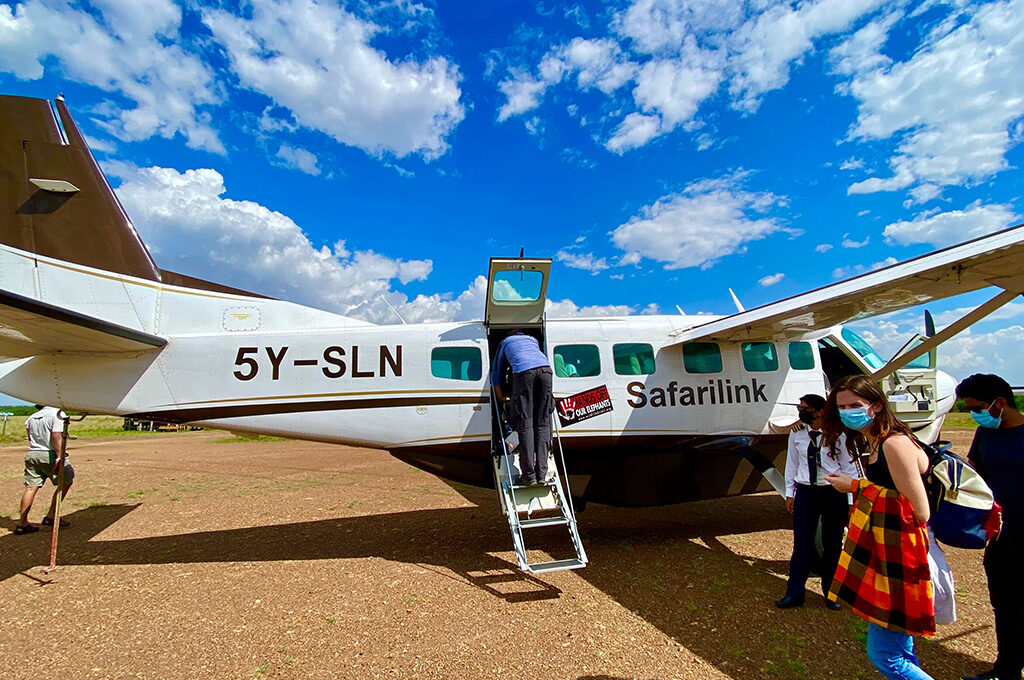
This is one of the most overlooked parts of working out what to take on safari. It’s worth checking before you buy anything new. Light aircraft connecting safari camps usually cap luggage at 15kg per person, sometimes as low as 12kg on smaller charter routes. That weight typically has to fit inside one soft-sided bag, no larger than around 25cm wide. Hand luggage and camera bags are often weighed too. Check your specific operator’s limit rather than assuming standard airline allowances apply, and don’t forget your international flight has its own separate rules; our British Airways baggage policy guide covers exactly what’s included on routes to Kenya and other safari gateways, where the standard allowance doesn’t always apply. If your itinerary mixes an international flight with a domestic safari transfer, pack a soft duffel inside your main suitcase. Leave the suitcase at a hotel or storage facility in the city, and travel onward with just the duffel for the safari leg itself. This single habit solves more packing headaches than almost anything else on this list, since it forces genuine discipline about what actually makes the cut.
Packing for a Family Safari with Kids
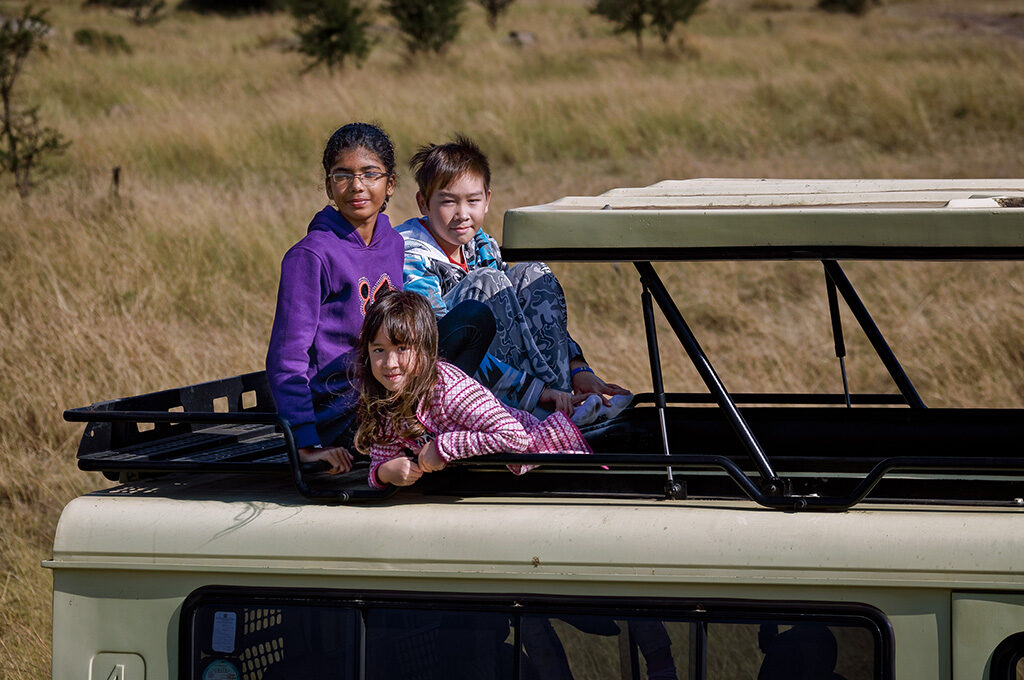
Travelling with children changes what to take on safari in a few practical ways. Binoculars sized for smaller hands make a real difference to how engaged kids stay on longer game drives. A few familiar snacks from home can also smooth over picky eating around unfamiliar camp menus. Motion sickness can hit children harder than adults on bumpy roads, so pack any usual remedies in the daypack, not the main luggage. Insect repellent formulated for children’s skin is worth sourcing before you travel, since not every camp shop stocks it. A small torch of their own tends to make kids feel far more involved once the sun goes down at camp. Most reputable safari operators set minimum age limits, often around six to eight years old for game drives. It’s worth confirming this with whoever you book through before you start packing. Image suggestion: “family with children on safari game drive binoculars smiling savannah”
Common Safari Packing Mistakes First-Timers Make
Even seasoned travellers get a few things wrong the first time they work out what to take on safari. Over-packing clothing is the biggest culprit. People often bring twice what they need “just in case,” then lug a half-used suitcase through multiple transfers. Hard-shell suitcases are another common misstep. They simply don’t fit the soft-bag weight and shape limits on light aircraft. New, stiff hiking boots are a third mistake worth avoiding. Always break in footwear before you travel; blisters on day one are miserable and entirely avoidable. Finally, batteries drain faster in heat and dust. Pack spares for cameras, torches and phones. It isn’t optional, it’s essential kit.
It’s also worth separating what you need for the flight from what you need on safari. Keep a change of clothes, any medication, chargers and your binoculars in your carry-on. Checked luggage occasionally goes astray on multi-leg routes through regional hubs. If your main bag is delayed by a day, you’ll still join the first game drive properly kitted out.
Your Sample Safari Packing List Checklist
Pulling everything above together, here’s a quick-reference safari packing list you can run through before you zip your bag shut:
Clothing
- 3-4 long-sleeved shirts in neutral tones
- 2-3 convertible trousers
- Fleece or packable down jacket
- Lightweight waterproof jacket
- Swimwear, sleepwear, casual evening outfit
- Wide-brimmed hat, sunglasses
Footwear
- Trainers or lightweight walking shoes
- Hiking boots (walking safaris only)
- Flip-flops or sliders
Gear
- Binoculars
- Camera, spare battery, memory cards
- Head torch
- Lightweight daypack
- Travel adaptor and power bank
- Soft-sided duffel bag
Health and comfort
- Sunscreen and aftersun
- Insect repellent (DEET)
- First-aid kit and personal medication
- Hand sanitiser and reusable water bottle
- Motion sickness tablets
Tick these off, and you’ve covered what to take on safari without overthinking the rest. Everything beyond this list is a nice-to-have, not a necessity.
Ready to Book Your Safari?
Once your packing list is sorted, the next step is choosing where to go. Our team can match you to the right lodges, flights and season for your trip, whether that’s the Serengeti’s Great Migration or the elephant-packed river cruises of Chobe National Park. Browse current African safari holidays, explore our range of safari lodges and hotels, or contact our travel specialists for a tailored, no-obligation quote.
For health and vaccination guidance before you travel, NHS TravelHealthPro is a reliable, up-to-date source worth checking well ahead of departure.
Final Thoughts
Working out what to take on safari isn’t about packing for every scenario. It’s about packing light, layering smart, and trusting that most camps have the basics covered if you forget the odd thing. Get the essentials right, neutral layers, decent footwear, binoculars and sun protection, and the rest falls into place once you’re watching the sun come up over the savannah.
FAQs about What to Take on Safari
What are the must-haves for a safari?
Neutral-coloured layered clothing, a wide-brimmed hat, binoculars, sunscreen, insect repellent and a soft-sided duffel bag cover the essentials most people need. Everything else on a typical packing list is useful but optional, so start with these before adding anything extra.
What should you not bring on safari?
Avoid camouflage clothing, bright white or black outfits, hard-shell suitcases and single-use plastic bags. These are either restricted, impractical for light-aircraft transfers, or discouraged by lodges and parks, so leaving them at home saves both luggage space and awkward conversations at check-in.
What to take on safari for a 7-day trip?
For a week-long trip, four to five days of rotating clothing is enough, thanks to lodge laundry services. Add the core safari essentials: layers, footwear, binoculars and health items, and you’ll have everything a typical week-long itinerary needs without overpacking.
What snacks should you take on safari?
Most camps provide snacks and drinks on game drives, but energy bars, dried fruit and electrolyte sachets are worth packing for long transfer days or flights, particularly if you have specific dietary needs that remote lodges may not always cater for.
What to wear on safari in the evenings?
Evenings call for warm layers over your daytime clothing, since temperatures drop quickly after sunset. A fleece or light down jacket over casual trousers usually covers camp dinners, and a pair of closed shoes is worth having too, since insects are more active once the sun goes down.
Do I need hiking boots for what to take on safari?
Only if your itinerary includes a walking safari. For standard vehicle-based game drives, comfortable trainers or lightweight walking shoes are perfectly sufficient, and they take up far less space in a weight-limited bag than a bulky pair of boots.