

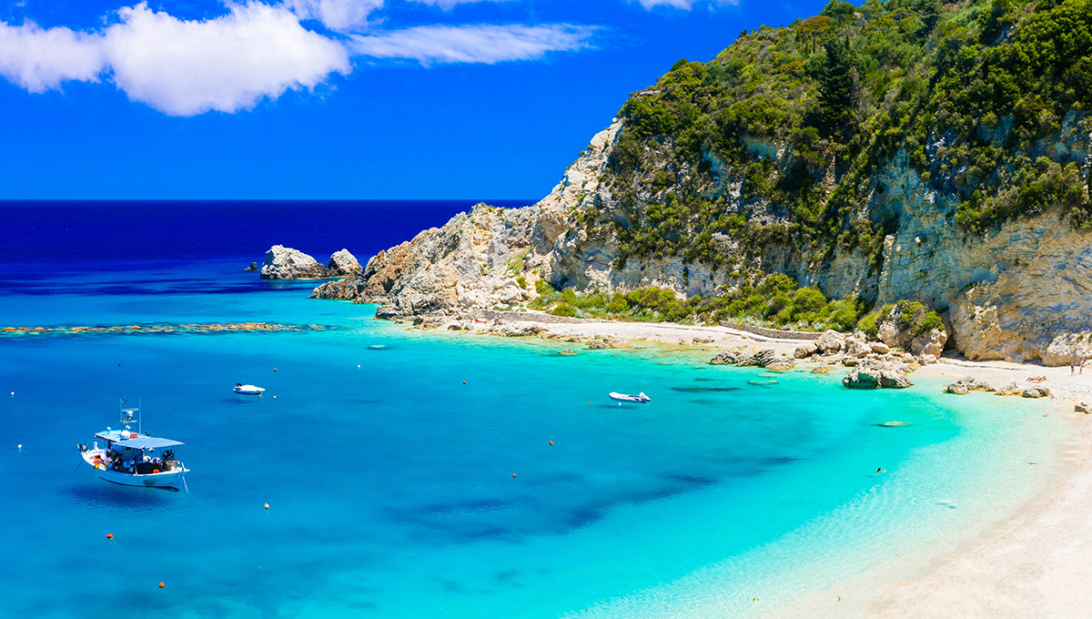
Finding the best places to visit in summer can be tricky when there are so many destinations to choose from. You might fancy a few days on a UK beach, a sunny escape to the Greek islands or an adventure somewhere completely different. The trick is finding a place that suits your plans while knowing the best time to visit.
So here’s my take on the best places to visit in summer for UK travellers: 30 destinations, split between brilliant places at home and easy escapes abroad. Every one has a tip for beating the crowds, because in my view the best summer holiday isn’t the most famous place. It’s the right place at the right time.
Quick Picks
- Best for beaches: Cornwall, Menorca, Croatia
- Best for quiet: Montenegro, Pembrokeshire, the Alentejo in Portugal
- Best for families: Lake Garda, Jersey, Dorset
- Best for scenery: Scottish Highlands, Switzerland, Iceland
- Best for city and culture: Edinburgh, Amsterdam, Lisbon
- Best worth the flight: Yosemite and Utah, Fiji
How I Chose These Places
I looked for five things: reliable summer weather, easy travel from the UK, enough to do for a week, a way to avoid the worst crowds, and a mix of budgets. Anything that failed on crowds or access didn’t make the cut.
Places To Go In The Summer Without Leaving The UK
You don’t need a passport for a brilliant summer. These 16 places across England, Scotland, Wales and Northern Ireland are the ones I’d book first.
1. Cornwall
Cornwall is the UK’s classic summer holiday for good reason. Surfers head for Fistral Beach in Newquay, families spread across wide sandy bays, and the South West Coast Path links fishing harbours such as St Ives and Padstow with wild headlands at Land’s End and the Lizard. July and August bring crowds to the harbour towns, so I’d head for the quieter coves around the Lizard Peninsula or the Helford River when I wanted space.
Tip: book accommodation early for school holidays, or choose June or September for calmer beaches.
2. Devon
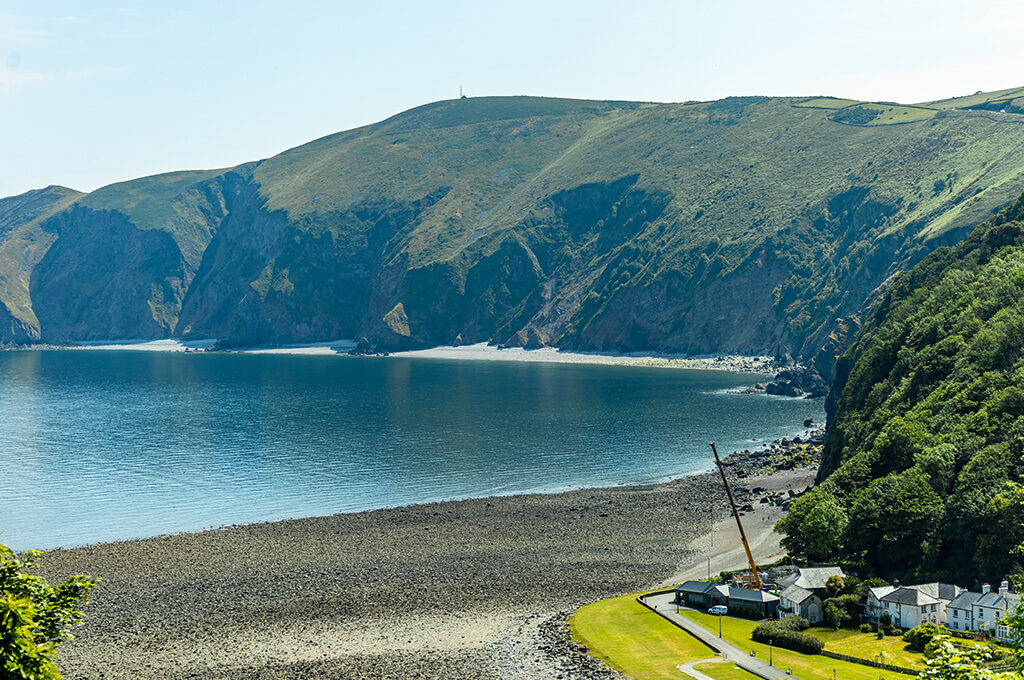
Devon gives you two coasts and a wild middle. The north coast around Woolacombe and Ilfracombe has surf beaches and cliff walks, the south coast has the English Riviera at Torquay and sailing at Salcombe, and between them Dartmoor’s granite tors and Exmoor’s heather moorland are made for long summer walks. Exmoor is also an International Dark Sky Reserve, so clear August nights are superb for stargazing. Exeter makes a sensible base for reaching both coasts.
Tip: visit the beaches on weekdays and save the moors for weekends.
3. Dorset And The Jurassic Coast
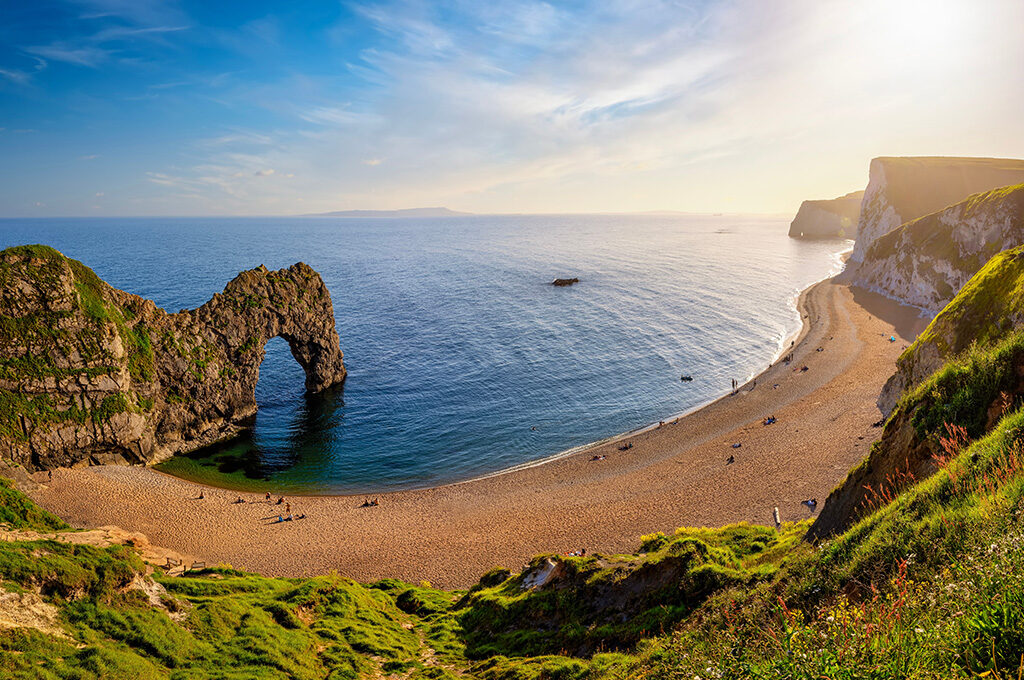
Dorset is a summer favourite for families, and Bournemouth is the obvious start, with miles of sand, beach huts and the cycle route out to Hengistbury Head. Beyond it, the Jurassic Coast is a UNESCO World Heritage Site stretching about 95 miles from Exmouth in Devon to Studland Bay. Walk to Durdle Door and Lulworth Cove, hunt for fossils at Lyme Regis, and look back at the chalk stacks of Old Harry Rocks.
Tip: park early at Lulworth and Durdle Door, as summer car parks fill by mid-morning.
4. The Isle Of Wight
A short ferry hop from the mainland (crossings run from Southampton, Portsmouth and Lymington), the Isle of Wight is about 23 miles across and packs in more than you’d expect. The Needles are chalk stacks topped by a lighthouse, Shanklin and Sandown have classic sandy beaches, Ventnor has a lovely botanic garden, and Cowes is the centre of British sailing. The Isle of Wight Festival usually lands in June.
Tip: book ferry crossings early for summer weekends, and consider Southampton as your departure point.
5. Brighton And The South Downs
Brighton pairs a seaside city break with proper countryside. There’s the pier, the Lanes for shopping, the Royal Pavilion and a nightlife scene that lasts all summer, with Pride usually in early August. Take the bus or train to the South Downs for rolling hills, the long-distance South Downs Way and the dramatic chalk cliffs of the Seven Sisters near Cuckmere Haven. Brighton is also under an hour from London by train.
Tip: pair a city day with a clifftop walk, and go midweek to avoid the busiest weekends.
6. The Cotswolds
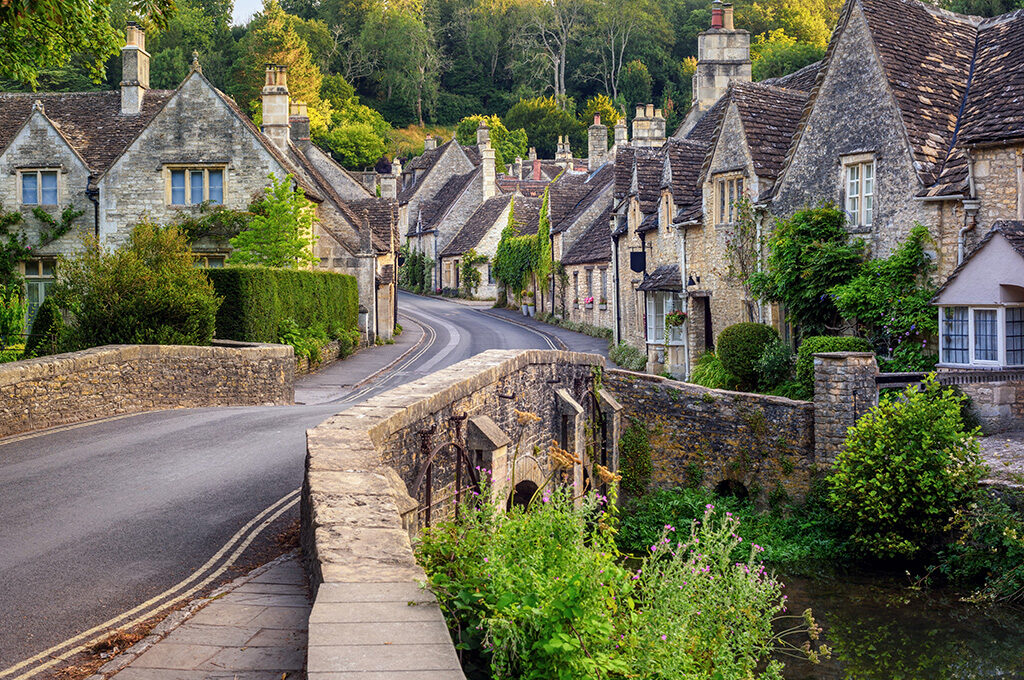
The Cotswolds is the biggest National Landscape in England and Wales (formerly an Area of Outstanding Natural Beauty), and summer is when its honey-coloured villages look their best. Bibury, Bourton-on-the-Water and Chipping Campden are the classics, the Cotswold Way runs 102 miles to Bath, and the cycling is gentle enough for most abilities. Oxford works well as a gateway at the eastern edge.
Tip: visit midweek, as the best-known villages fill up at weekends.
7. The Lake District
England’s highest mountain, Scafell Pike at 978 metres, sits here, along with Windermere, England’s largest lake, and quieter waters like Ullswater and Derwentwater. Steamer cruises, wild swimming, family-friendly lakeside strolls and serious fell walks all share the same postcode, and the whole area is a UNESCO World Heritage Site. Keswick and Ambleside make lively bases with plenty of pubs and gear shops.
Tip: start walks early, as summer weekends get busy, and pack a waterproof even in July.
8. The Peak District
The UK’s first national park, created in 1951, is brilliant for walking, cycling and weekends away with friends. Climb Mam Tor for ridge views, stroll through Dovedale’s limestone dales, explore the show caves at Castleton, and finish with a Bakewell pudding in Bakewell itself. Clear nights are good for stargazing, and it’s an easy trip from Manchester.
Tip: rent a cottage with a group, as it works out cheaper per person.
9. The Yorkshire Dales
This is a land of limestone and stone barns, with the Yorkshire Three Peaks challenge (Pen-y-ghent, Whernside and Ingleborough, roughly 24 miles in a day) as the headline test. Gentler highlights include Malham Cove, the waterfalls at Aysgarth, Wensleydale cheese in Hawes and the famous Settle to Carlisle railway. Pair it with a day in Leeds or York for the best of both worlds.
Tip: train before attempting the Three Peaks, as it’s a long day on the hill.
10. Norfolk
Norfolk is the cure for crowded south-west beaches. Holkham Beach is one of Britain’s most beautiful, Wells-next-the-Sea has its famous beach huts, and Cromer’s pier and crab are a seaside classic. Boats from Blakeney Point and Morston take you to see seal colonies, while the Norfolk Broads suit lazy boat days. Add Norwich for a city stop, and visit in July for the lavender fields near Heacham.
Tip: book a seal trip ahead, as popular summer sailings sell out.
11. The Scottish Highlands And Skye
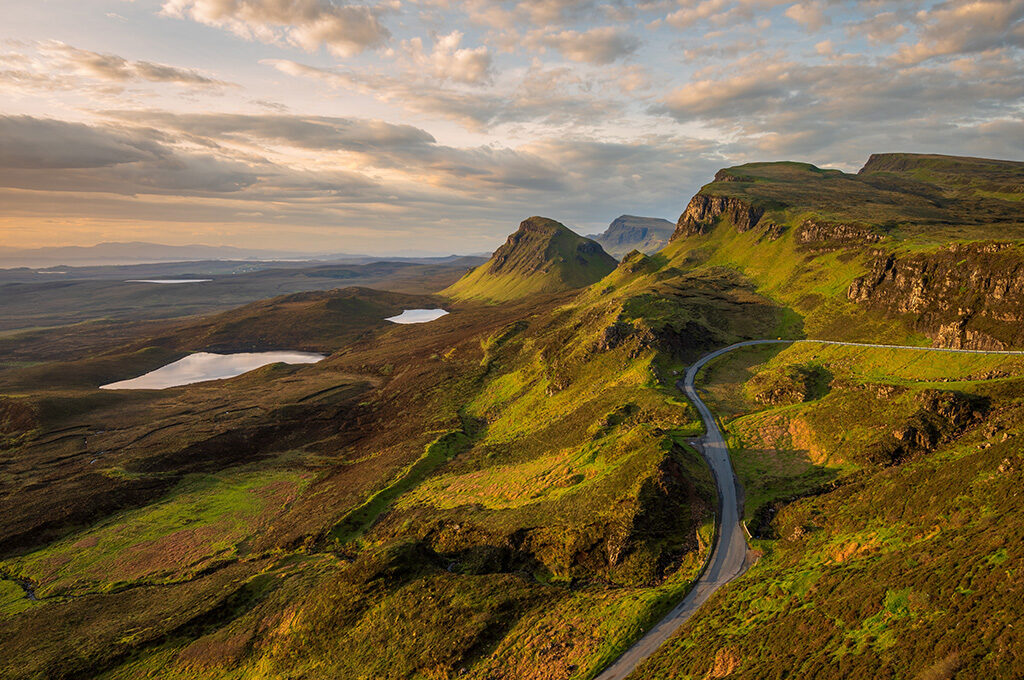
Long summer days suit Scotland’s wild north. Drive the North Coast 500, stand beneath the Glenfinnan Viaduct, walk through Glencoe and cruise on Loch Ness, then cross to Skye for the Old Man of Storr, the Quiraing ridge and the Fairy Pools. Inverness is the natural gateway, and you can explore more of Scotland on this Edinburgh and Highlands rail escape.
Tip: many roads are single-track, and summer midges can bite, so pack repellent and allow extra driving time.
12. Edinburgh
Edinburgh is brilliant all year, but August turns it into the world’s biggest arts party, when the Fringe, the International Festival and the Military Tattoo all run together. Between shows, climb Arthur’s Seat for the view, walk the Royal Mile from castle to palace, and explore the cobbled streets of the Old Town and the riverside charm of Dean Village. Leith adds seafood restaurants and a waterfront feel.
Tip: book your hotel months ahead for August, as prices climb sharply.
13. Pembrokeshire
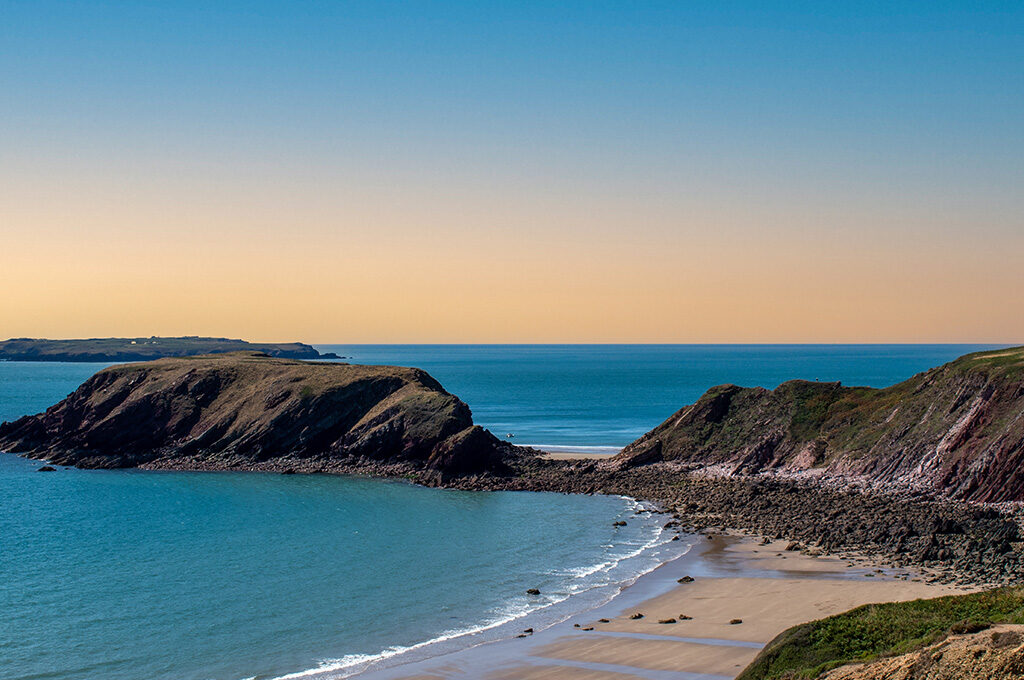
Pembrokeshire holds the UK’s only coastal national park, with a 186-mile coast path that links cliffs, coves and beaches such as Barafundle Bay and Whitesands. St Davids is the UK’s smallest city, Tenby is a pastel-painted harbour town, and boat trips to Skomer Island offer puffins from April to about mid-July. It’s a long but rewarding drive west of Cardiff.
Tip: swim at lifeguarded beaches and check tide times before you go.
14. Snowdonia
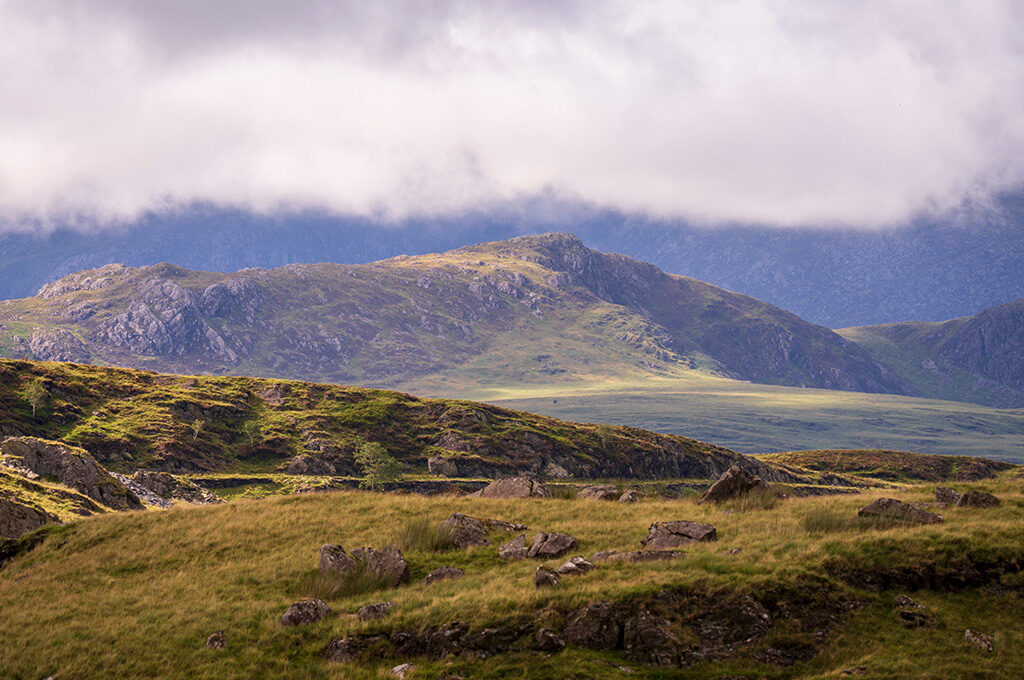
Eryri National Park, better known as Snowdonia, gives you Wales’s highest mountain, Snowdon at 1,085 metres, plus lakes, forests and waterfalls. You can walk up by one of several paths or take the Snowdon Mountain Railway on clear days, then reward yourself in Betws-y-Coed or at the Italianate village of Portmeirion. Bangor is a handy base on the north coast.
Tip: go early on clear days, as the summit path gets busy by mid-morning.
15. The Causeway Coast, Northern Ireland
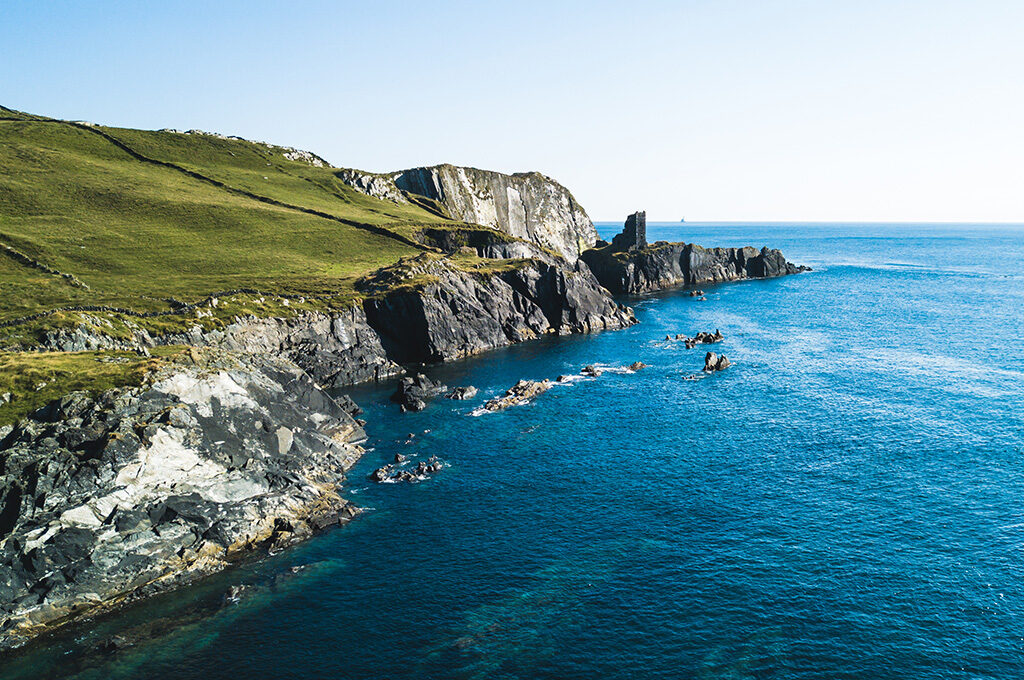
Northern Ireland’s north coast is one of the most dramatic stretches in the UK. The Giant’s Causeway, a UNESCO World Heritage Site, is made of roughly 40,000 basalt columns, and nearby you’ll find the rope bridge at Carrick-a-Rede, the clifftop ruins of Dunluce Castle and the avenue of beech trees known as the Dark Hedges. Finish in Belfast for Titanic Belfast and some of the best food in the country.
Tip: visit the Causeway in the evening for fewer crowds and better light.
16. Jersey
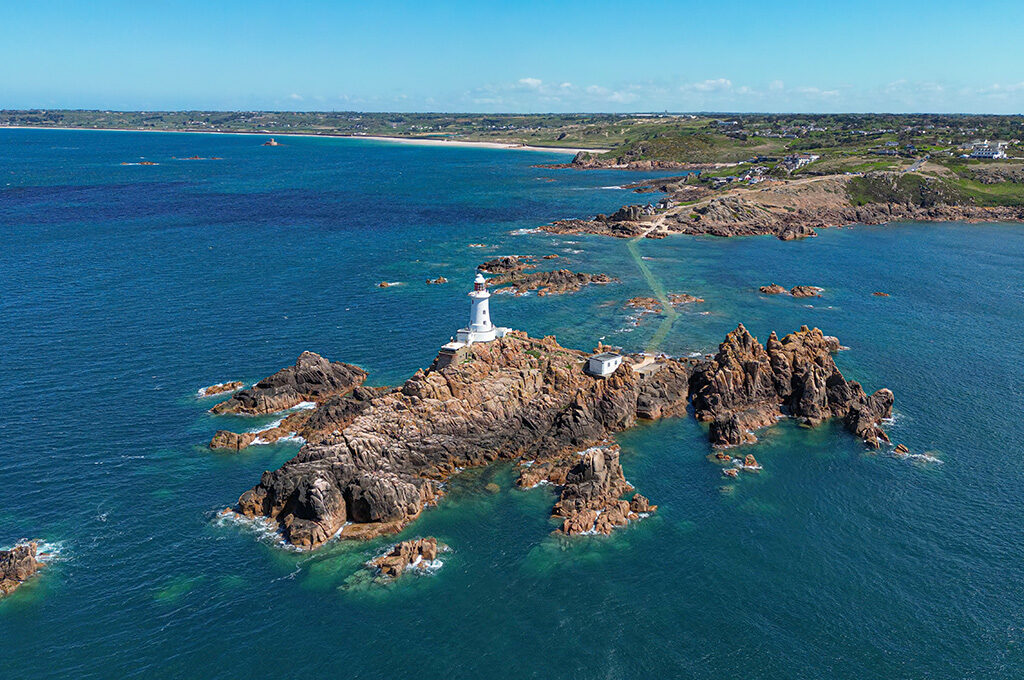
Jersey is the largest of the Channel Islands, about nine miles long, and a short flight from many UK airports. St Helier has the markets and restaurants, Mont Orgueil Castle watches over Gorey harbour, Durrell Wildlife Park is a family favourite, and the coastal paths link bays such as Plémont and Bouley Bay with the Corbière Lighthouse. Fresh seafood is the local highlight.
Tip: a Friday evening flight out and a Sunday evening flight back makes a weekend without using leave.
Best Summer Holiday Destinations Abroad
Overseas, these 14 combine reliable weather with plenty to do.
17. Croatia
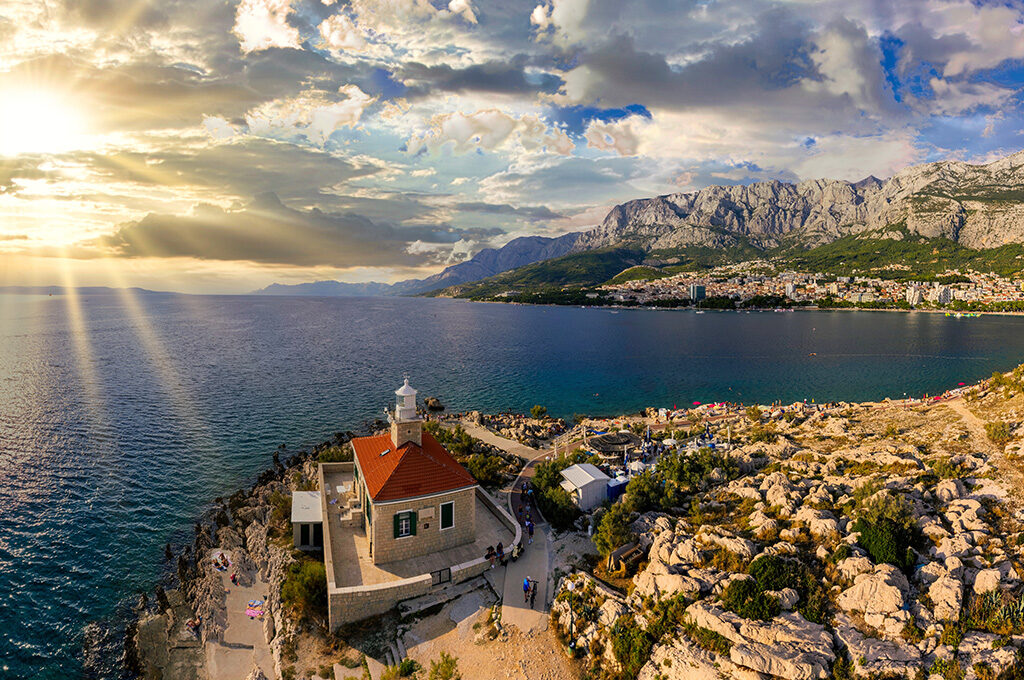
Croatia in summer brings high temperatures and a lively vibe, especially on the Dalmatian Coast. Dubrovnik has its walled old town, Split centres on Diocletian’s Palace, and Hvar Town has a classy waterfront. The season peaks between June and August, when beach bars hum. If bustle isn’t your thing, try the quieter Kornati Islands, the beaches of the Makarska Riviera or Zadar, famous for its sea organ. Browse this Dubrovnik getaway or a Dubrovnik and Split combination.
Tip: go in June or early September for cooler days and easier bookings.
18. Greece
Greece is meant for exploring beyond Santorini. Crete mixes beaches with gorges and old Venetian towns, Corfu and Kefalonia have green hills and calm Ionian waters, and Naxos offers sandy beaches and mountain villages. Smaller islands such as Folegandros feel like a postcard. For summer ideas, see this Crete summer escape or an island trio.
Tip: the strong meltemi wind blows across the Aegean in July and August, so the Ionian islands are calmer, and check ferry timetables before island hopping.
19. Portugal
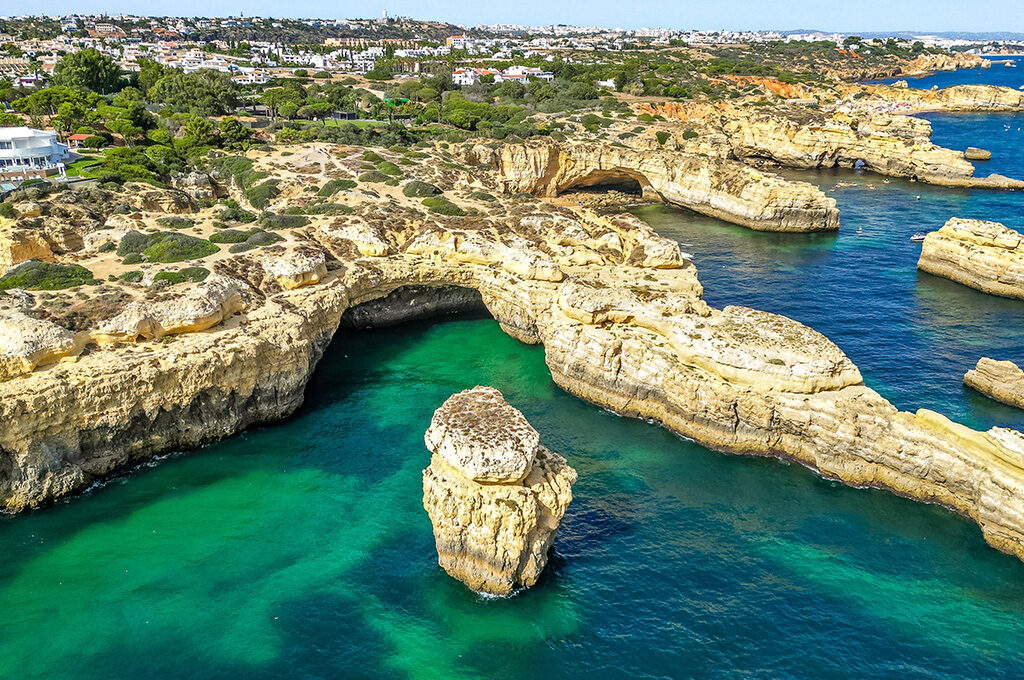
Early summer is one of the liveliest times in Portugal. Lisbon fills with June festivals and grilled sardines, and Porto celebrates São João on the night of 23 June. Beyond the cities, the Algarve has golden cliffs and the sea caves at Benagil, but if you’d like fewer crowds, head to the Alentejo coast instead. Try this Porto summer escape or an Algarve coastal getaway.
Tip: book early if you want to be in Lisbon or Porto for the June festivals.
20. Lake Garda, Italy
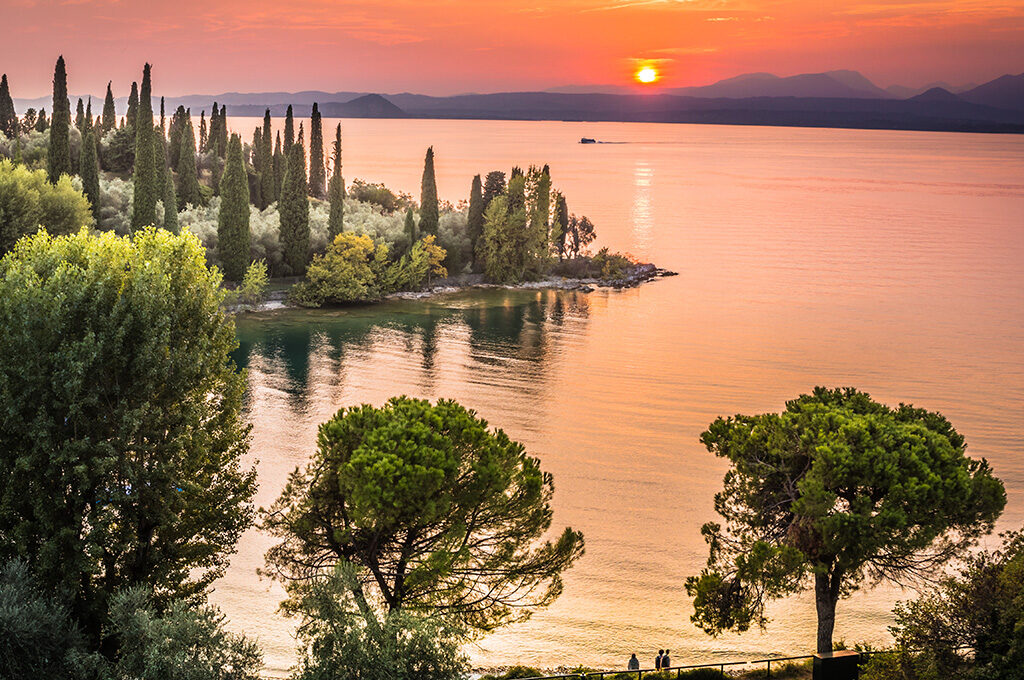
Italy’s largest lake offers a fresher summer escape than the coast. Lake Garda has Sirmione’s castle and Roman ruins on a narrow peninsula, Malcesine’s cable car up Monte Baldo, and windsurfers in the north around Riva del Garda. Families love the swimming, cycling and village hopping, and Gardaland is nearby. See this lakeside escape or add it to an Italian trio with Rome and Venice.
Tip: use the lake ferries to hop between towns instead of driving.
21. Menorca
Menorca is the calmer Balearic island, and a UNESCO Biosphere Reserve. July and August are the peak, but June and September are excellent. The coves on the south coast, such as Cala Macarella and Cala Turqueta, are the main draw, Ciutadella is the atmospheric old capital, and Mahón sits beside one of the world’s largest natural harbours. The Camí de Cavalls coastal path runs around the whole island, and Binibeca Vell is famous for its whitewashed village.
Tip: pick your base by mood, with Ciutadella for atmosphere and Cala’n Bosch for families.
22. Northern Spain
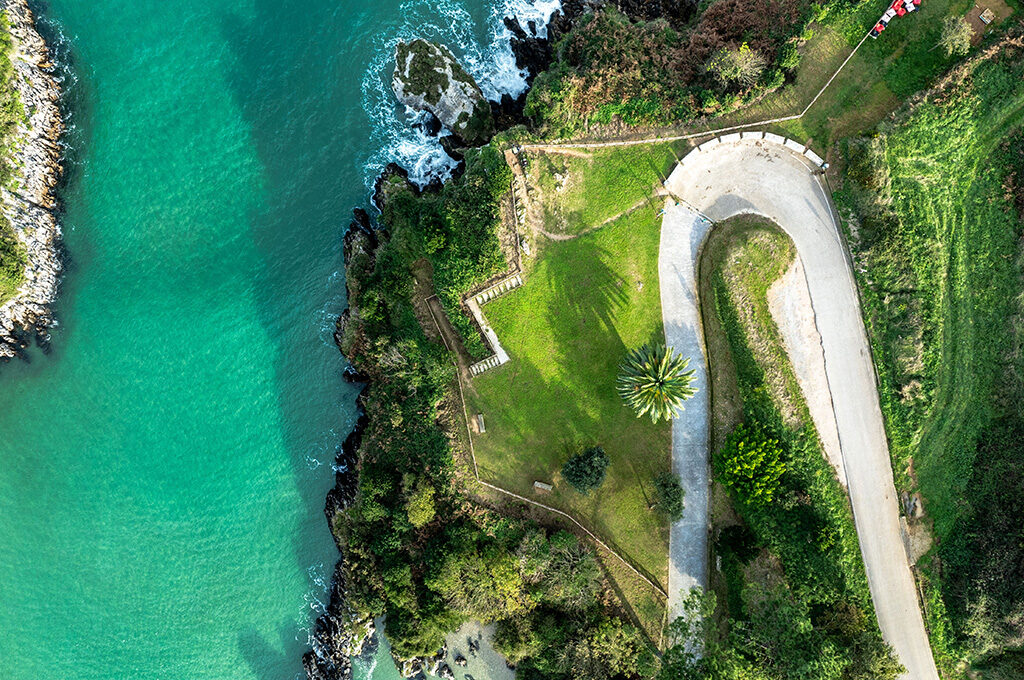
For cooler weather, head north. San Sebastián has its curved La Concha beach and some of Europe’s best pintxos bars, Bilbao has the Guggenheim, and Galicia’s Rías Baixas offer seafood and quiet beaches, including the Cíes Islands. Santiago de Compostela is the end point of the Camino, and Asturias has the Picos de Europa mountains.
Tip: pack a light layer, as evenings and sea breezes can be cool even in August.
23. Montenegro
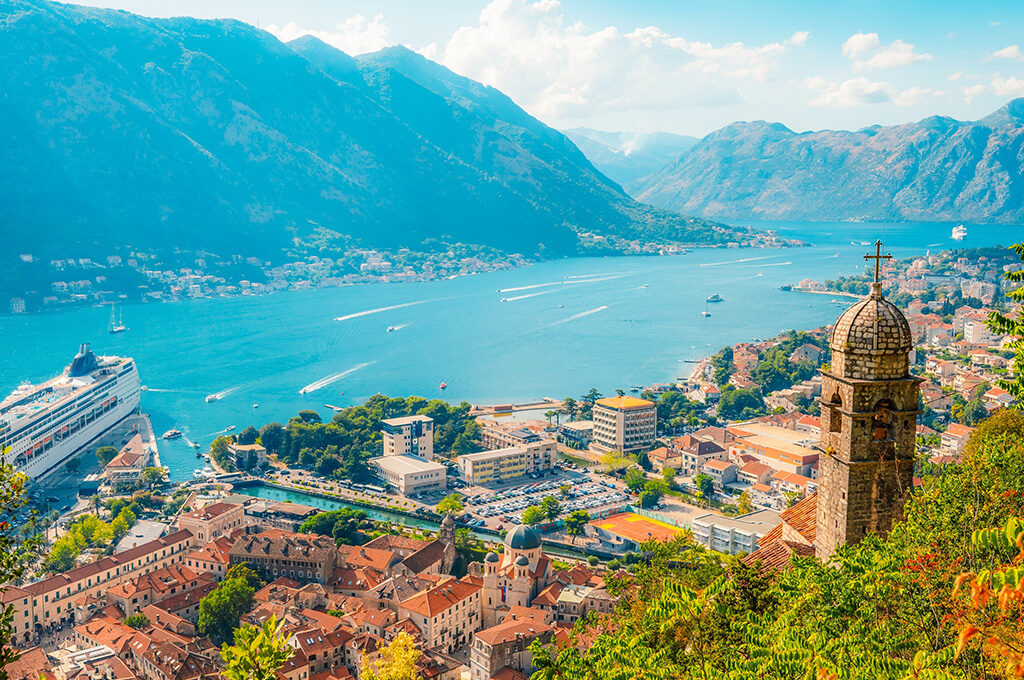
Montenegro is the Adriatic without the crowds. The Bay of Kotor is a fjord-like inlet ringed by mountains, Perast is a tiny baroque town facing Our Lady of the Rocks, and Budva has lively beaches and the walled islet of Sveti Stefan nearby. Inland, Durmitor National Park offers lakes and hiking. Explore this Montenegro seaside break or an Adriatic trio.
Tip: drive up the Lovćen mountain road for views over the bay.
24. Iceland
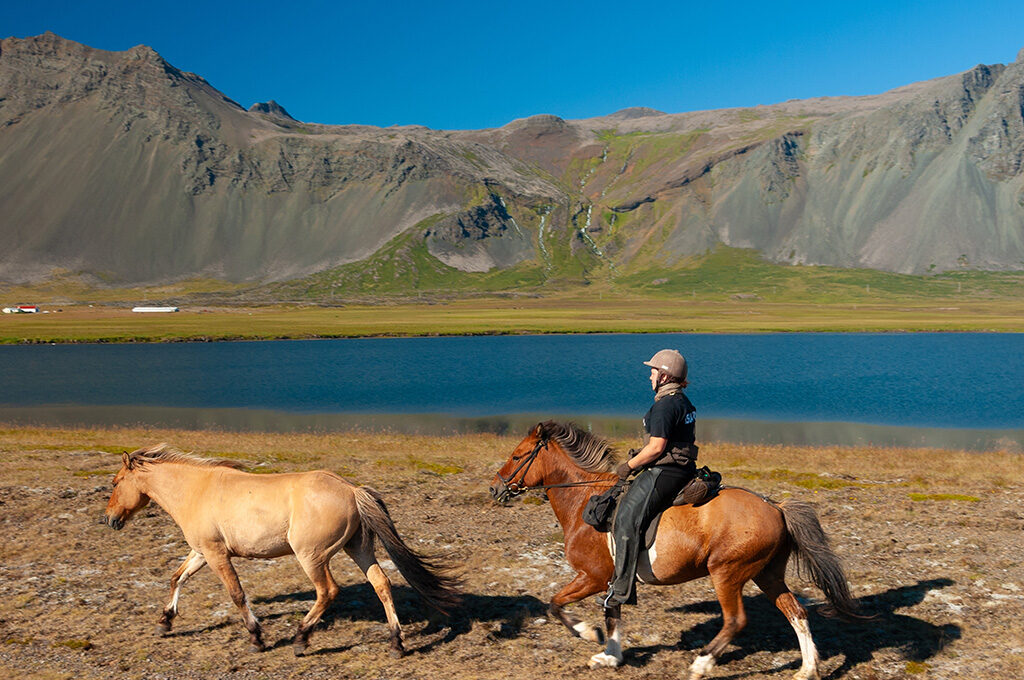
Summer brings mild temperatures and the midnight sun, with the brightest nights around the June solstice, so a late-night hike is genuinely possible. The Golden Circle links Þingvellir, Geysir and Gullfoss, the south coast has Seljalandsfoss and Skógafoss waterfalls, and the Blue Lagoon is a classic soak. From May to August, puffins nest on the Westman Islands. Base yourself in Reykjavík or head north to Akureyri for whale watching.
Tip: pack an eye mask, as it barely gets dark.
25. Switzerland
Switzerland pairs lakes with alpine peaks, and its trains make the journey part of the holiday. Lucerne has the Chapel Bridge and Mount Pilatus, Interlaken is the gateway to the Jungfrau region, Lauterbrunnen has waterfalls tumbling down valley walls, and Zermatt sits beneath the Matterhorn. Lakeside Lugano adds an Italian feel.
Tip: base yourself by a lake and take day trips up into the mountains.
26. Ireland
An Irish summer means long evenings and a country that heads outdoors. The Wild Atlantic Way runs about 2,500 kilometres along the west coast, taking in the Cliffs of Moher, Connemara and the Dingle and Ring of Kerry peninsulas. Galway is a lively festival city, Kerry has the best scenery, and Dublin is great for a city stop.
Tip: the west coast rewards a road trip, so book accommodation early for July and August.
27. Amsterdam
Amsterdam is a summer city break at its best, with canal-side cafes, picnics in Vondelpark and the Rijksmuseum and Van Gogh Museum when it rains. Wander the Jordaan and De Pijp (home of the Albert Cuyp market), then take the free ferry to Amsterdam Noord and NDSM for street art and waterfront bars. Zandvoort has a beach about half an hour away by train.
Tip: book canal-side hotels early, and travel midweek for better prices.
28. Morocco
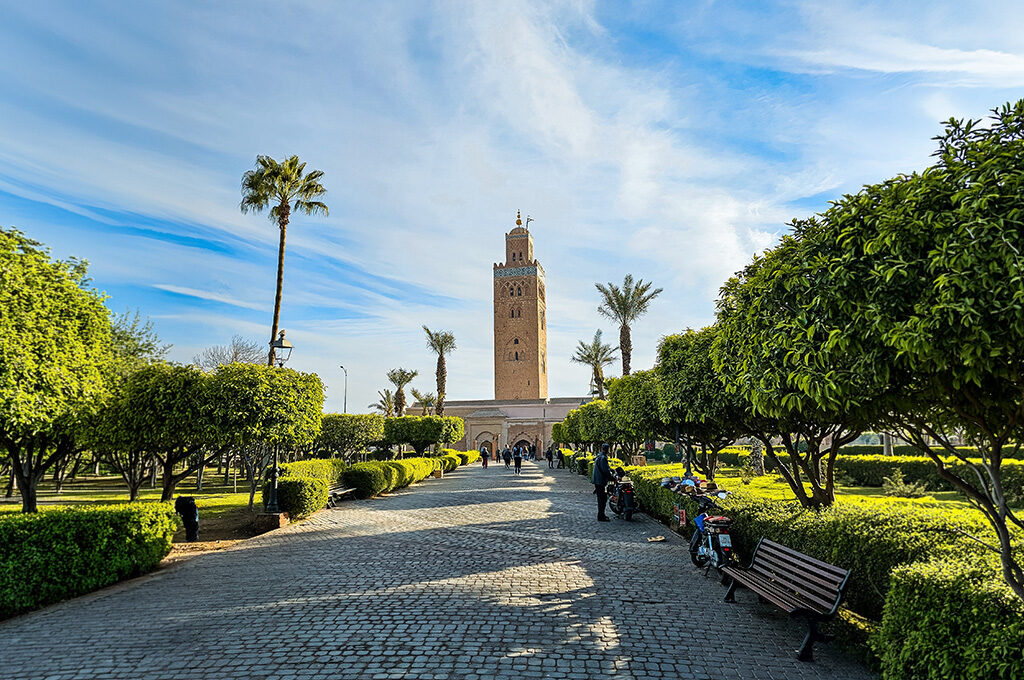
Morocco is hot in summer, so choose carefully. Marrakesh can top 40°C in July and August, so I’d do sightseeing in the early morning and retreat to the pool. The Atlantic coast is cooler, and Essaouira has a breezy medina, fresh seafood and kitesurfing, while Agadir is a classic beach resort. Inland, the Atlas Mountains around Imlil offer cool air and hiking towards Jebel Toubkal. See this Marrakesh break or a Marrakech and Casablanca combination.
Tip: do your sightseeing before 11am and after 5pm.
Worth The Flight
29. Yosemite And Utah, USA
Summer opens up the whole of Yosemite, including the high-country Tioga Road, with cycling, swimming and rafting on offer. Glacier Point and Half Dome are the headline views, and the giant sequoias of Mariposa Grove are unforgettable. Waterfalls are strongest in spring, so summer is about hiking and swimming instead, and it’s quieter in June or September. Utah’s red-rock parks such as Zion and Bryce Canyon are very hot in the lowlands, so aim for higher areas like Bryce, and watch forecasts for summer storms that can flood canyons. Start with California and a California road trip.
Tip: UK travellers need authorisation such as an ESTA before flying, so sort it early.
30. Fiji
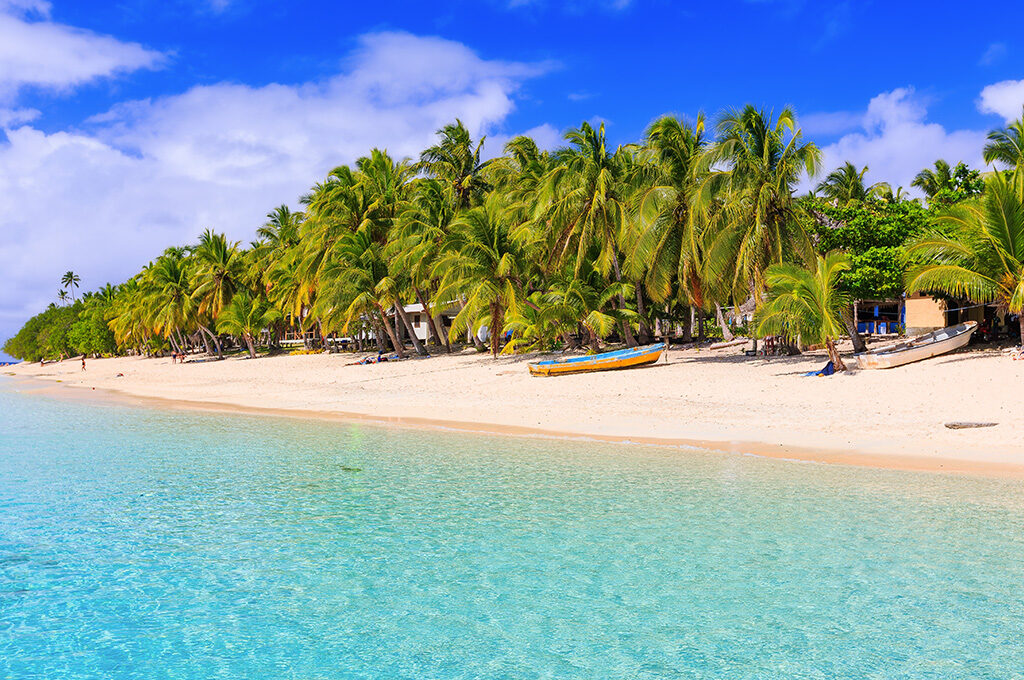
Fiji is warm all year, but July to September is usually drier, with less chance of tropical storms, so it’s a good northern-summer escape. Most visitors fly into Nadi, and the Coral Coast on Viti Levu has resorts and snorkelling, while Denarau Island is a polished resort base. For the postcard Fiji, take an island-hopping tour around the Mamanuca or Yasawa Islands.
Tip: book an island-hopping tour in advance, as popular dates fill up.
Things To Do In Summer
Whichever place you pick, these are the things to do in summer that make the season worth it.
- Swim, paddleboard or kayak at a lifeguarded beach or lake
- Walk a coast path or mountain trail, starting early
- Catch a festival, such as the Edinburgh Fringe or Lisbon’s June festivals
- Hop between towns by ferry
- Cycle a coastal route
- Stargaze in a dark-sky area such as Exmoor
- Eat outdoors during the long evenings
Where To Go In Summer By Type Of Traveller
If you’re still deciding where to go in summer, match your priorities.
- Families: Lake Garda, Jersey, Dorset and Cornwall
- Couples: the Cotswolds, Ciutadella in Menorca and the Greek islands
- Budget-conscious: UK breaks in June or September, or Montenegro instead of busier Croatia
- Adventurous: Iceland, Snowdonia, the Scottish Highlands and Utah
- City lovers: Edinburgh, Amsterdam and Lisbon
For more ideas, see the most popular holiday destinations for UK travellers.
How To Plan The Best Summer Holiday
The best summer holiday starts with dates. School holidays are the busiest and priciest period, so travelling in June or September can mean calmer places and better value.
- Pick your dates first. Shoulder months beat peak weeks on both crowds and cost.
- Book flights early. Weekday departures are often cheaper, and the cheapest days to fly from the UK can help you choose.
- Set a budget. If you’re saving up, how to save money for a holiday can help you plan.
- Check entry rules. Rules change, so look at the FCDO’s foreign travel advice for your destination.
- Book flights and hotels together. You can book flights and compare holiday deals with us.
Where Will Your Summer Take You in 2027?
The best places to visit in summer aren’t always the famous ones. A quiet Cornish cove in June can beat a packed resort in August, and a smaller Greek island can beat Santorini. Choose your dates, match your place to your travel style, and book before the summer rush.
At Vibes Group UK, we help travellers turn a shortlist into a booked trip, from flights to hotels and holiday deals. If you’re planning your next summer break, get in touch and we’ll help you find the place that suits you.
FAQs About The Best Places to Visit in Summer
When does summer start and end in the UK?
Meteorological summer runs from 1 June to 31 August. Astronomical summer begins around 21 June, at the summer solstice, and ends around 22 September. Most travel guides use the June to August definition when talking about summer weather and school holidays.
How can I stay safe in extreme heat while travelling?
Stay out of the midday sun, drink water regularly, wear SPF 30 or higher and a hat, and plan strenuous activity for early morning or evening. Check local weather warnings and the FCDO travel advice for your destination before you go.
Is it safe to swim at UK beaches in summer?
Swim at a lifeguarded beach, between the red and yellow flags, which mark the patrolled swimming area. Check tide times and local warnings, avoid swimming alone, and never use inflatables in offshore winds. If you get into difficulty, float and call for help.
Is a UK staycation cheaper than going abroad in summer?
Often, but not always. UK trips save on flights, yet accommodation prices rise sharply during school holidays. Compare the total cost, including transport, food and activities, and consider June or September dates for better value.
What should I pack for a summer holiday?
Pack lightweight clothes, sun cream, a hat, sunglasses, a refillable water bottle and a light layer for evenings. Add swimwear, comfortable walking shoes and any adaptors you need. For the UK, include a waterproof, as summer showers are common.