

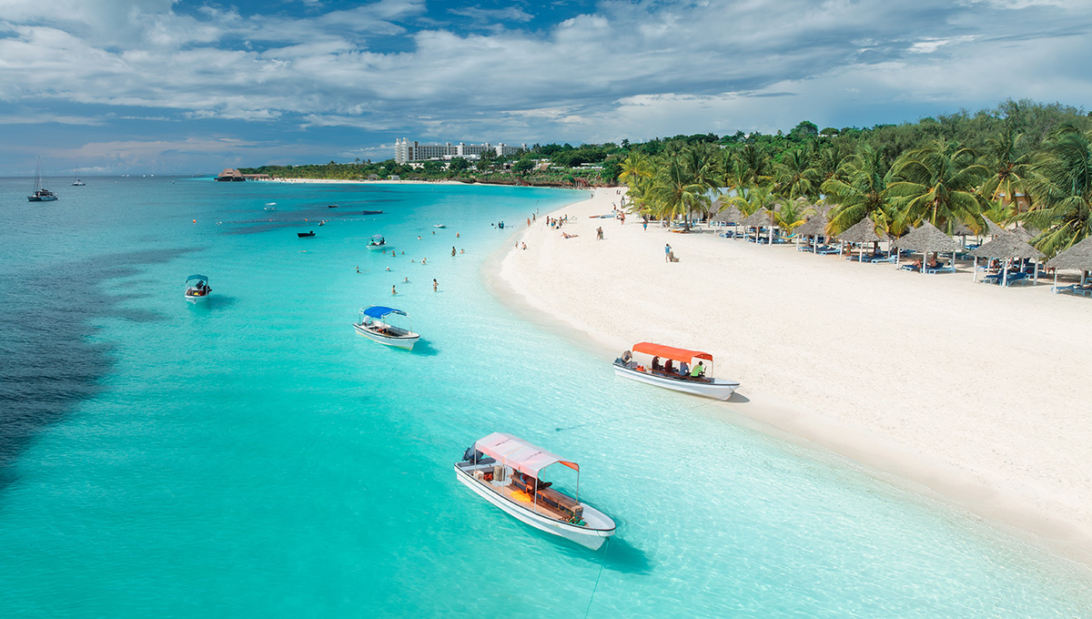
Is Zanzibar safe? For most visitors, yes. White-sand beaches, boutique hotels and the winding alleys of Stone Town draw tourists from all over the world, and serious crime against holidaymakers is rare. But a safe holiday depends on current facts, not on reputation, and a few things have changed recently: political unrest around Tanzania’s October 2025 elections, new mandatory insurance rules and a UK government warning that now covers only a remote border area.
This guide sets out what the official advice says, the real risks, what UK travellers need for entry and when to go, so you can decide with the facts in front of you.
The Short Answer
Yes, for most visitors. Violent crime against tourists is rare, and Zanzibar sits outside the only area the UK government currently advises against visiting. The main risks are petty theft, road accidents, sea hazards and mosquito-borne illness. Check the FCDO’s advice before you book, buy the mandatory insurance on arrival and respect local customs.
Is Zanzibar Safe Right Now
The most reliable Zanzibar travel advice comes from the UK Foreign, Commonwealth and Development Office. Its Tanzania travel advice covers the mainland and Zanzibar, and at the time of writing it advises against all but essential travel only to parts of Tanzania, namely any area within 20km of the border with Mozambique’s Cabo Delgado province. That’s a remote strip of the far south of the mainland, not Zanzibar.
The FCDO also says to avoid demonstrations, protests and large political gatherings, notes that terrorist attacks can’t be ruled out anywhere in Tanzania, and warns that your travel insurance could be invalidated if you travel against its advice. Same-sex sexual activity is illegal in Tanzania, including Zanzibar.
What Happened After The 2025 Elections
In late October 2025, post-election unrest in Tanzania brought curfews, internet disruption and, for a time, suspended flights and ferries to Zanzibar. The FCDO then advised against all but essential travel to the whole country. That wider warning has since been narrowed to the border area above. Advice can change quickly, so read the live page the week you book and again before you fly. If you’re nervous, choose flexible fares and hotels with free cancellation, and buy insurance that explicitly covers disruption.
Crime, Theft And Scams
Violent crime against tourists is uncommon. Petty theft is the more realistic risk, especially around Stone Town’s markets, ferry terminal and crowded beaches.
- Leave valuables at your hotel: use the room safe, and don’t wear expensive jewellery or flash a phone.
- Avoid walking or cycling alone at night, particularly on beaches and deserted streets.
- Agree prices first: some “beach boys” and touts overcharge or mislead, so settle the cost of tours and souvenirs before you start.
- Say no to drugs: vendors may offer them, and the contents and the legal risk are unpredictable.
- Book excursions through your hotel or a reputable operator.
Is Zanzibar Safe For Solo And Female Travellers
Many solo females and women travelling in groups visit Zanzibar and enjoy trouble-free trips, but it helps to be prepared for unwanted attention and persistent touts.
- Dress modestly in towns and villages: cover shoulders and knees, and save swimwear for the beach or your resort.
- Say “hapana asante” (no, thank you) firmly and keep walking if someone persists.
- Don’t walk home alone after dark: arrange a taxi through your hotel.
- Choose where you stay carefully: a well-reviewed resort or guesthouse with 24-hour reception is a good starting point.
- Never accept food, drinks or substances from strangers.
Culture, Dress Code And Local Laws

Zanzibar is predominantly Muslim, and respecting local customs is part of staying safe. Dress modestly outside your resort, avoid public displays of affection and take care around mosques and religious gatherings, particularly in Stone Town. Same-sex activity is illegal, so LGBTQ+ travellers should be discreet outside private resort settings.
Transport Safety
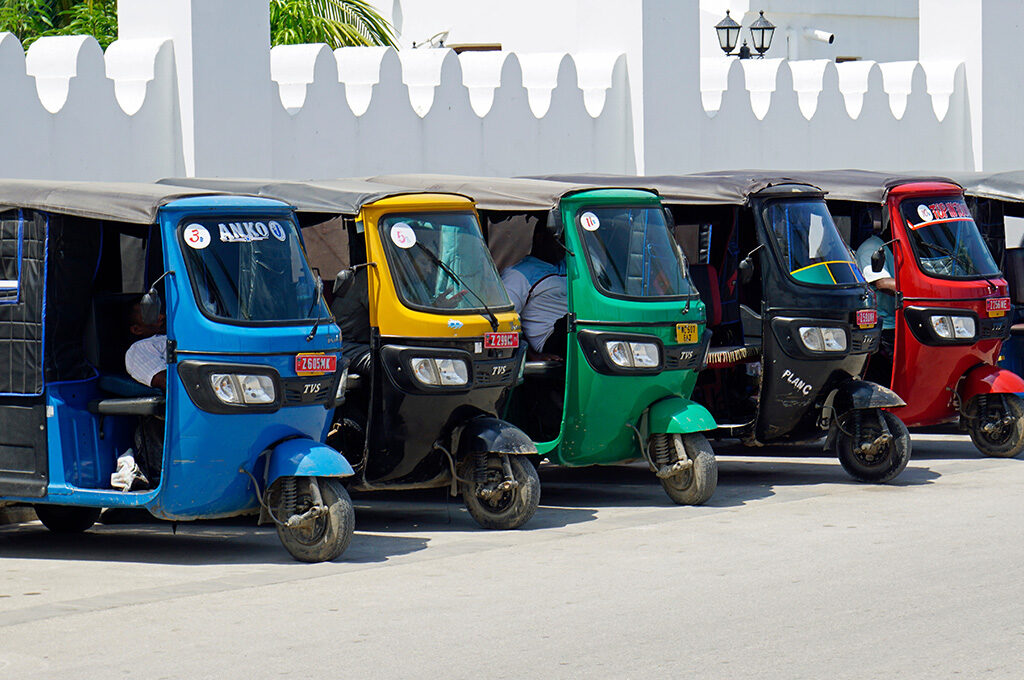
- Taxis: most don’t have meters, so agree the fare before you get in.
- Dala-dalas: local minibuses are cheap but crowded and often have no seatbelts.
- Scooters: popular but risky, with rough roads and limited signage. Wear a helmet and make sure you’re licensed and insured.
- Driving: traffic drives on the left, and road accidents are one of the biggest risks on the island. Avoid driving at night.
- Boats and ferries: choose reputable operators who provide life jackets.
Ocean And Beach Safety
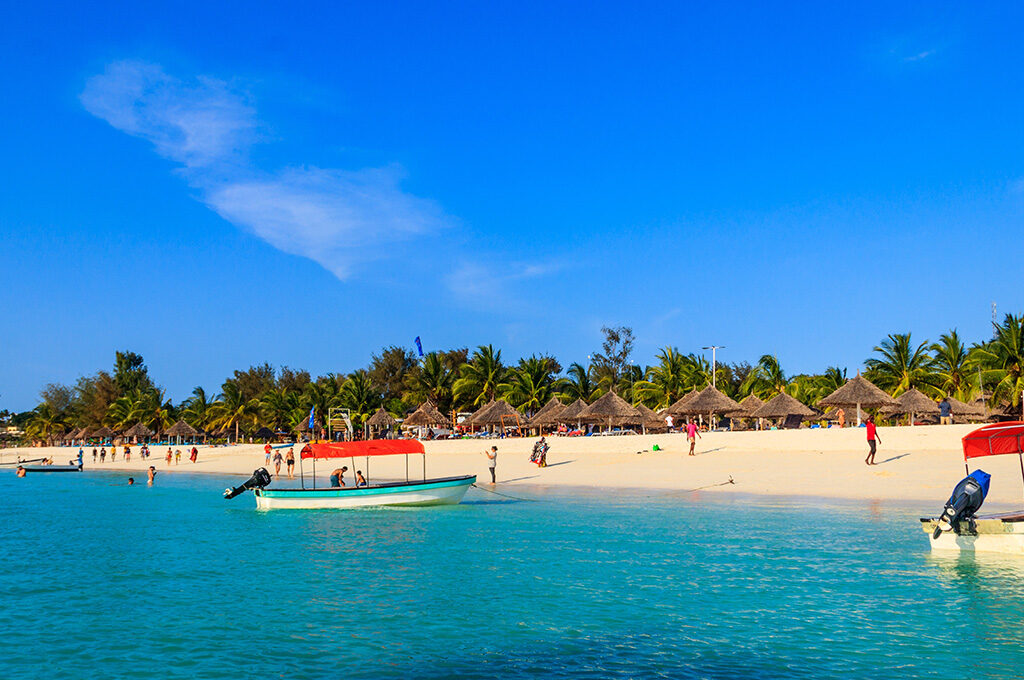
- Check the tide and currents, especially away from hotel beaches.
- Wear reef shoes to protect against sea urchins, sharp coral and occasional stingrays.
- Book snorkelling and diving with established operators who provide proper equipment.
- Drink plenty of water and use high-factor sun protection, as the heat and humidity are strong.
Health, Malaria And Insurance
Zanzibar’s malaria risk is lower than the mainland’s, but UK health advice still treats the island as a malaria area. Speak to your GP or a travel clinic four to six weeks before you go.
- Water and food: don’t drink the tap water, and choose hot, freshly cooked food.
- Yellow fever: you’ll need a certificate only if you’re arriving from a country with a yellow fever risk.
- Medical care: there are private clinics in tourist areas, but serious cases may need transfer to the mainland.
- Insurance: you’ll need Tanzania’s mandatory inbound policy (see below) and your own comprehensive travel insurance covering medical costs and activities.
Entry Requirements For UK Travellers
Travellers often search “do I need a visa for Zanzibar from UK”, and the answer is yes. UK passport holders need a visa, and a single Tanzanian visa covers both the mainland and Zanzibar.
- E-visa: the FCDO recommends applying online before you travel. Tanzania’s immigration department sets the single-entry fee at US$50 and warns applicants to use only its official website.
- Visa on arrival: a single-entry visa is also available at the main ports of entry, but queues and paperwork make applying in advance easier.
- Passport: sources and Tanzanian rules commonly ask for at least six months’ validity and blank pages, so check yours.
- Mandatory insurance: all visitors to Zanzibar, except residents, must buy government inbound travel insurance from the Zanzibar Insurance Corporation for their stay, up to 92 days. If you arrive in Zanzibar first, buy it on arrival. If you arrive on the mainland first, you’ll need the mainland version instead, and you only buy once for your first port of entry.
For the full rules, see the FCDO’s entry requirements for Tanzania.
Weather And When To Go
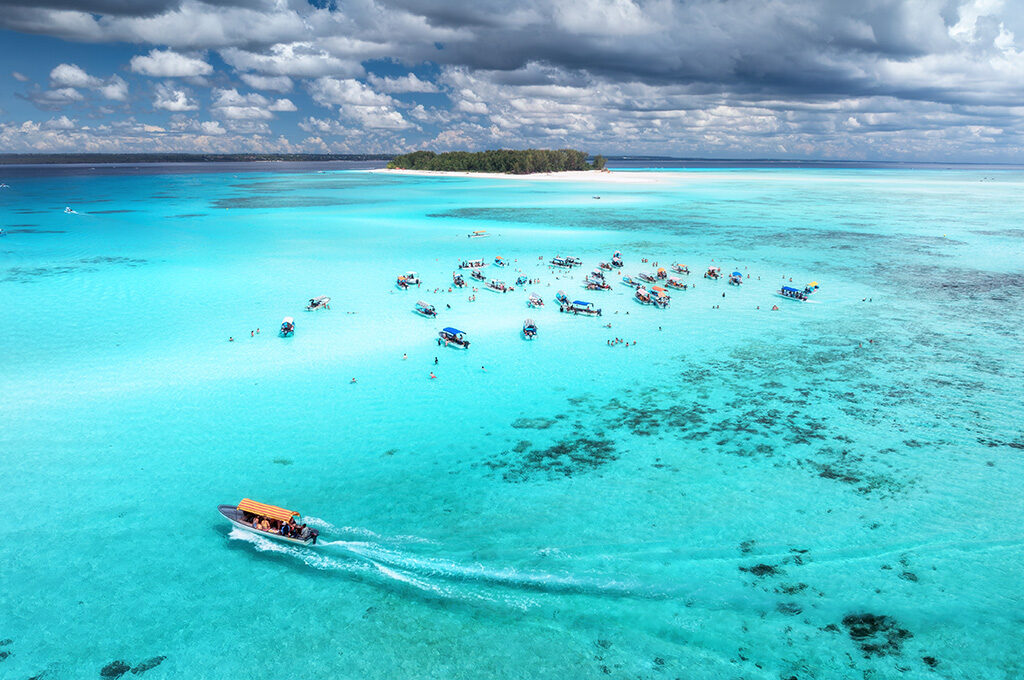
The best time to visit Zanzibar for most people is the dry season from June to October, when it’s drier and a little cooler. December to February is hot and mostly dry, which is handy for a winter escape from the UK. The long rains arrive from March to May and peak in April, and short rains fall from late October through December. Tanzania’s meteorological authority calls these seasons Masika and Vuli. Some smaller hotels close or reduce services in the heaviest rains, so check before you book.
If you’re chasing Zanzibar best weather for a beach holiday, aim for June to October, when humidity eases and the sea is calm and clear. Choose January and February if you want hotter days, with the warmest sea around February and March. Avoid April if you want sunshine, as it’s the wettest and most humid month.
The temperature in Zanzibar stays tropical all year, with average highs of roughly 29 to 33°C and sea temperatures of about 26 to 29°C. These are approximate averages:
| Season | Typical day high | Typical night low | What to expect |
| December to February | About 31 to 33°C | About 24°C | Hot, humid and mostly dry |
| March to May | About 30 to 33°C | About 24°C | Long rains, peaking in April |
| June to August | About 28 to 29°C | About 21 to 23°C | The driest and coolest months |
| September to October | About 30 to 31°C | About 21 to 22°C | Dry, warming up, rain may return late October |
| November | About 31°C | About 23°C | Short, sporadic showers |
Zanzibar Safety Checklist
- Check the FCDO advice the week you book and again before you fly
- Apply for your Tanzanian e-visa on the official site
- Arrange the mandatory inbound insurance and your own comprehensive cover
- Speak to your GP or a travel clinic about malaria four to six weeks ahead
- Carry a yellow fever certificate if your route requires it
- Keep valuables in the hotel safe and avoid walking alone at night
- Agree taxi and tour prices before you set off
- Pack reef shoes, repellent and high-factor sun cream
- Dress modestly outside beach areas
- Save your hotel, embassy and insurer numbers offline
Where To Stay For Peace Of Mind
For most first-timers, a beach resort with controlled access and reliable on-site help is the easiest way to enjoy Zanzibar. The north coast and east coast both have good resort areas, and Stone Town suits a night or two of culture. If you’d like everything bundled, a package such as this 7-night all-inclusive Zanzibar escape keeps transfers and meals simple.
So Is Zanzibar Safe Or Dangerous
Zanzibar is a place where the right preparation makes the difference between a stressful trip and an easy one. The biggest risks are the everyday ones, petty theft, roads, the sea and mosquitoes, and the biggest unknown is how political conditions develop, so check the official advice before you book and before you fly. This guide is general information, not a guarantee of safety.
At Vibes Group UK, we help travellers plan Zanzibar holidays with flights, hotels and entry paperwork in mind, but we’re not a substitute for official advice. When you’re ready, you can book flights with us and get in touch with any questions.
FAQs about Is Zanzibar Safe
How long is the flight from the UK to Zanzibar?
Most UK travellers connect via the Gulf, Istanbul or an East African hub, with total journeys often around 11 to 16 hours depending on the layover. Check your route and connection times when booking.
Is Zanzibar safe for families with young children?
Yes, particularly in resort areas with calm beaches and on-site medical help. Check sea conditions before swimming, use reef shoes and take mosquito protection seriously. Ask your GP or travel clinic about malaria advice for children well before you travel.
Can I drink alcohol in Zanzibar?
Alcohol is available in most hotels, resorts and licensed bars, but Zanzibar is predominantly Muslim and sales are limited outside tourist areas. Avoid drinking in public or dressed for the beach in town, and be careful before swimming.
Should I take cash or card to Zanzibar?
Bring a mix. Cards are widely accepted in resorts and larger restaurants, but small shops, taxis and markets often prefer cash, and ATMs can be unreliable outside tourist hubs. Carry small notes and tell your bank before you travel.
Should I avoid Zanzibar during Ramadan?
Not necessarily. Tourism continues and hotels serve guests, but some local daytime restaurants close and public eating or drinking is discouraged in towns. Dress modestly, expect shorter opening hours and check Ramadan dates when planning.