

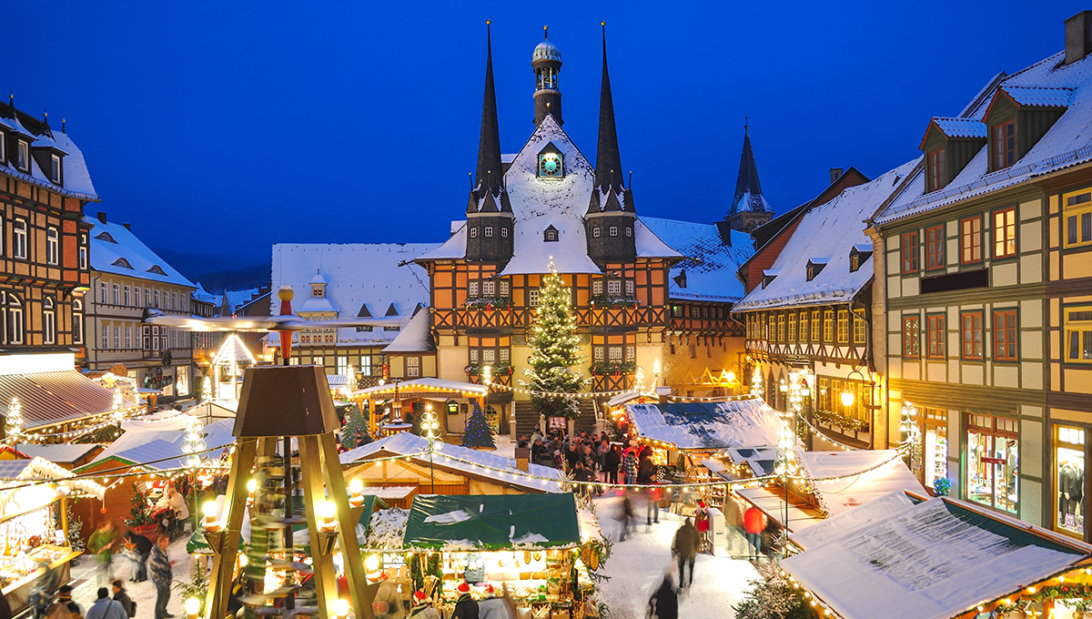
I’ve spent more Decembers than I’d like to admit stood in a queue for mulled wine somewhere in Europe, usually in the wrong shoes. Chasing Christmas markets has become a bit of an obsession of mine over the years, partly because I love them, and partly because I love finding the cheapest possible way to get to them. So when people ask me where are the best European Christmas markets, I never have a single answer, because honestly, a few countries do it brilliantly, just in very different ways.
This is my honest guide to the best Christmas markets in Europe, which country does it best depending on what you’re after, and everything I’ve learned about flights, budgeting and timing from years of doing this.
Which European Country Has The Best Christmas Markets
If I had to choose, Germany would be my number one for Christmas markets. The sheer variety is hard to beat. Almost every town has its own market, from the famous Christkindlmarkts in Nuremberg and Cologne to smaller, more traditional markets in places like Rothenburg ob der Tauber.
Austria would be a very close second. Vienna and Salzburg have that elegant, fairytale atmosphere that makes you feel like you’ve stepped into a Christmas film, particularly when the markets are set against palaces, cathedrals and historic squares.
France comes third for me, especially the Alsace region. Strasbourg is the obvious standout if you’re after that classic postcard Christmas experience, with its decorated streets, historic architecture and hundreds of market stalls.
If your budget’s tighter or you just can’t face the crowds, I’d point you towards Poland, Czech Republic or the Baltic states instead. I’ve had some of my favourite market evenings there for a fraction of what I’ve spent in Vienna.
Best Christmas Markets in Europe to Visit
Here’s my rundown of the ones I keep coming back to, or that are firmly on my list, with 2026 dates and what you can actually expect.
1. Strasbourg, France
2026 dates: Late November to 28 December
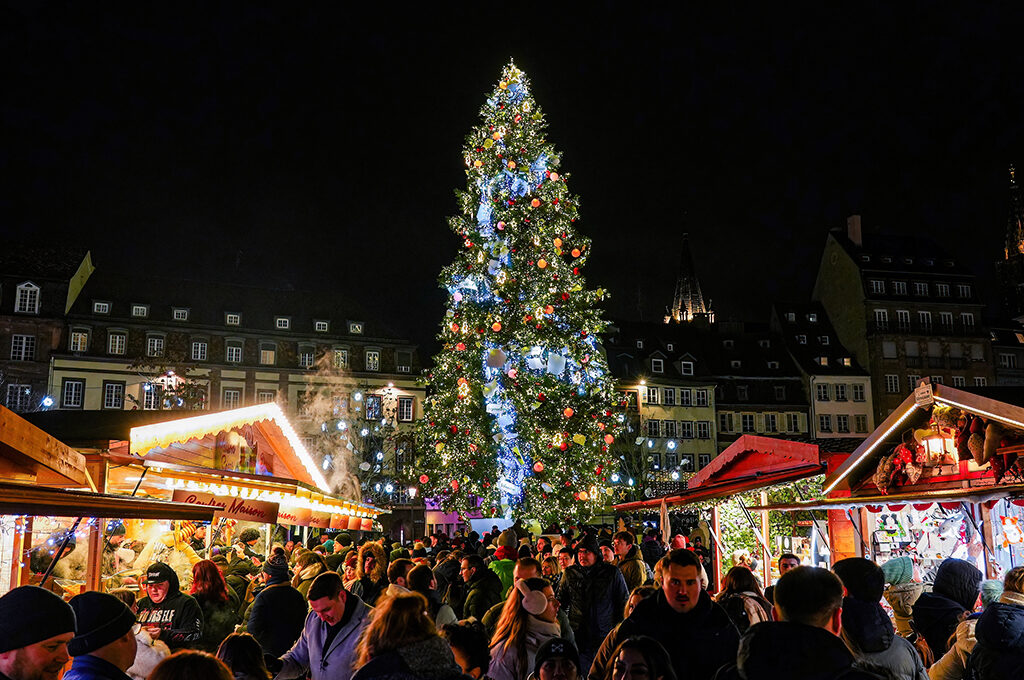
Strasbourg is the one I recommend most often, and it lives up to the “Capitale de Noël” title every single time I’ve been. The cathedral square lit up at night is one of my favourite sights in Europe, full stop. There are over 300 stalls spread across eleven separate market sites, so I’d give this at least two or three days if you want to actually see it all rather than just skim the surface. The vin chaud here, made with Alsatian wine and local spices, is the best mulled wine I’ve had at any market in Europe, and I don’t say that lightly.
Budget: I usually budget €4 to €6 a mug for vin chaud, plus a small refundable deposit on the cup, and around €20 to €30 a day on top of that for food and drink.
My pro tip: Go on a Monday or Tuesday if you possibly can. Strasbourg’s own visitor data shows these are the quietest days, and I’ve found the difference in crowd size genuinely surprising.
2. Vienna, Austria
2026 dates: 14 November to 26 December (Rathausplatz), with Schönbrunn Palace running into early January
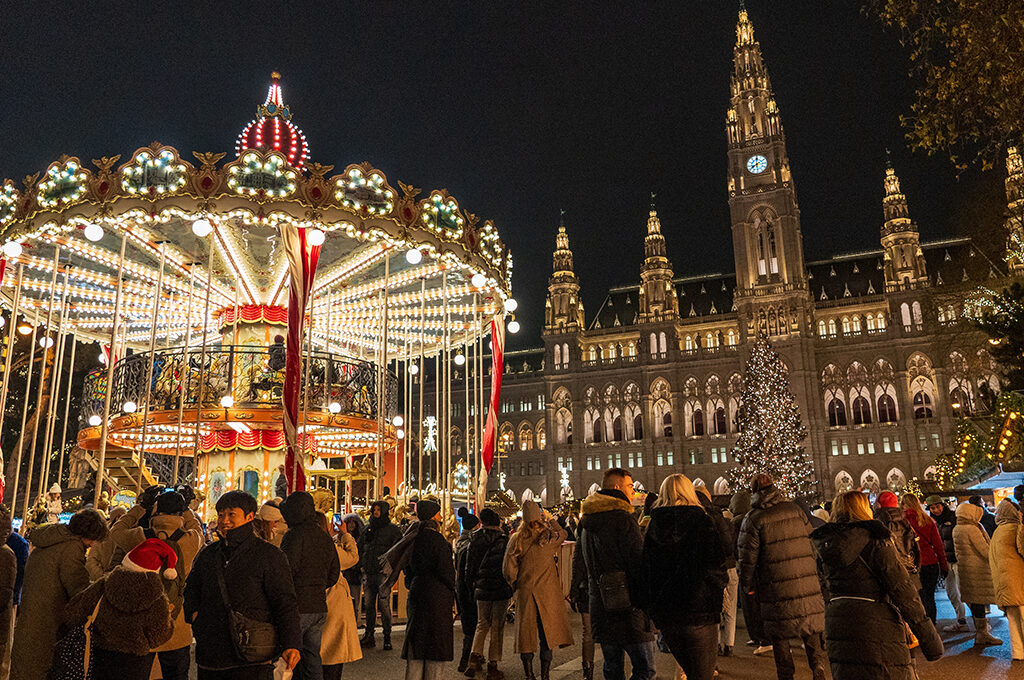
Vienna‘s Rathausplatz market was the one that properly hooked me on Christmas markets years ago. The neo-Gothic City Hall lit up behind the stalls and the ice rink out front, it’s the kind of scene that makes you forget how cold your feet are. What I love most about Vienna, though, is that Rathausplatz is just the headline act. There’s around a dozen other markets scattered across the city, and I genuinely prefer some of the quieter ones.
Budget: Punsch and Glühwein typically run €5 to €10 including the returnable mug deposit of €4 to €5. I usually set aside €15 to €25 a person for a proper evening moving between two or three markets.
My pro tip: Do the smaller markets first. I always hit Spittelberg or Karlsplatz before Rathausplatz, it gives you the artisan, local feel before you get swallowed by the crowds at the main event.
3. Prague, Czech Republic
2026 dates: Late November to 6 January 2027
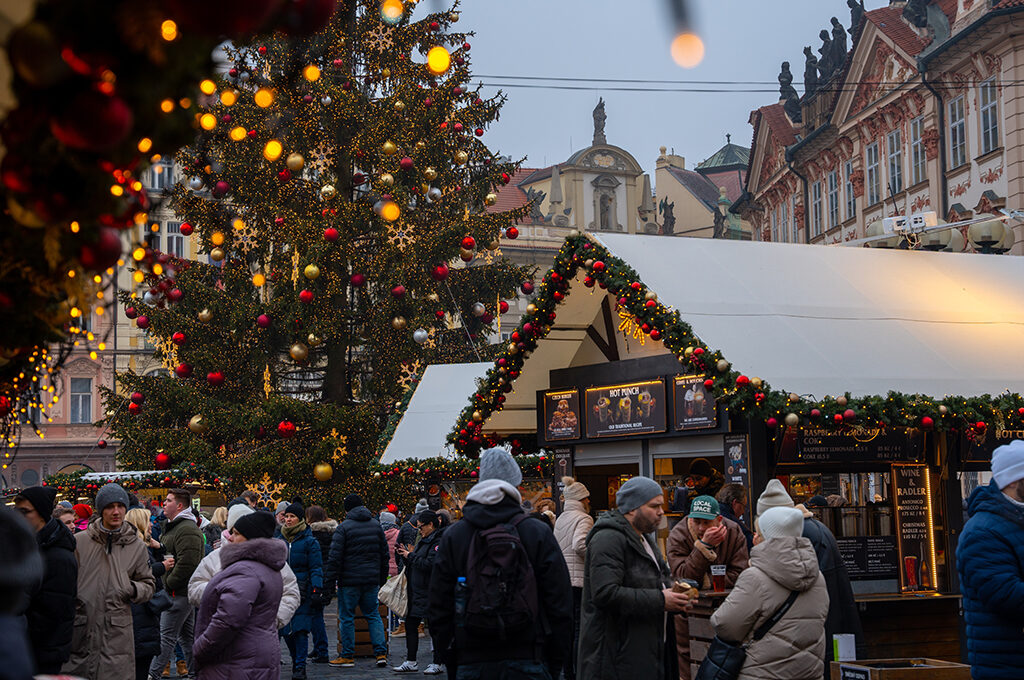
Prague is where I’d send anyone watching their budget who still wants the fairytale look. The Old Town Square market with its Gothic spires and towering tree is honestly one of the most photogenic in Europe, and there’s a second market at Wenceslas Square worth a visit too. What I really rate about Prague is that it runs into early January, so it’s one of the few places I’ve actually done a proper New Year’s market trip.
Budget: Svařák, the local mulled wine, cost me around €3 last time I was there, and a full evening of food and drink can come to as little as €15 to €20 a person. It’s one of the best value markets on this list, hands down.
My pro tip: Skip Old Town Square for an hour and walk to Náměstí Míru instead. Better prices on crafts, fewer tourists, and still that proper festive feel.
4. Cologne, Germany
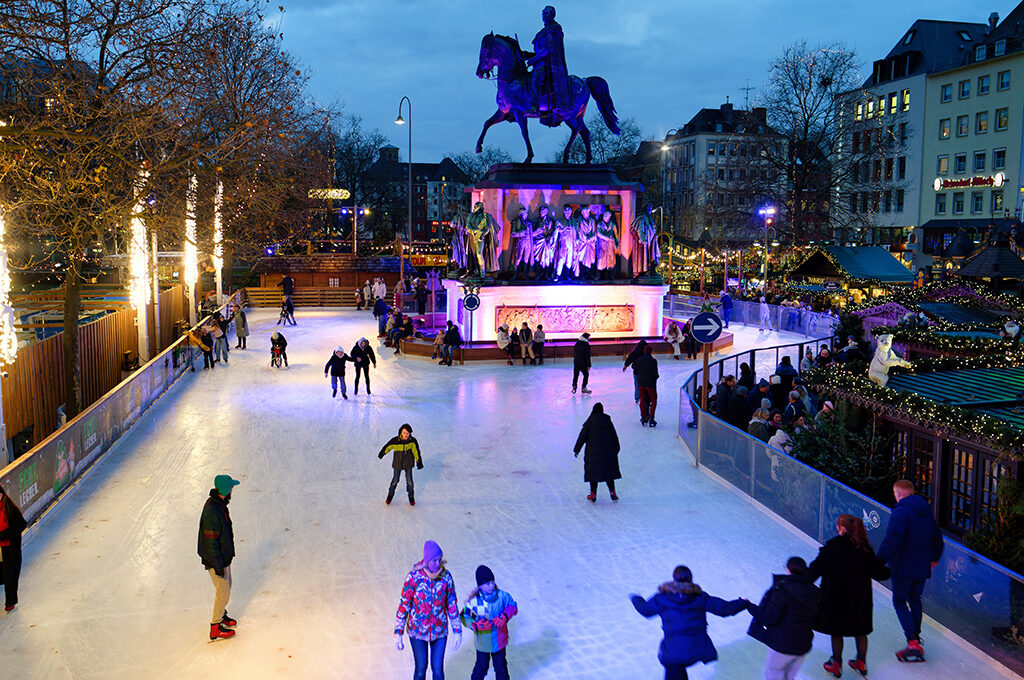
2026 dates: Late November to 23 December
Cologne is a market I underestimated for years before finally going. It sits directly beneath the cathedral, which is a genuinely dramatic backdrop, and it’s one of the largest markets in Germany with one of the biggest ice rinks I’ve seen at Heumarkt and Alter Markt. Seven separate markets across the city means I’ve always found two full days barely enough.
Budget: Mulled wine is around €4 to €6, snacks and mains €4 to €12, so I’d budget roughly €20 to €25 a day for a relaxed pace.
My pro tip: Go midweek. Cologne on a Saturday is chaos, and there are enough food stalls dotted around that going earlier in the week means you’re barely queueing for anything.
5. Nuremberg, Germany
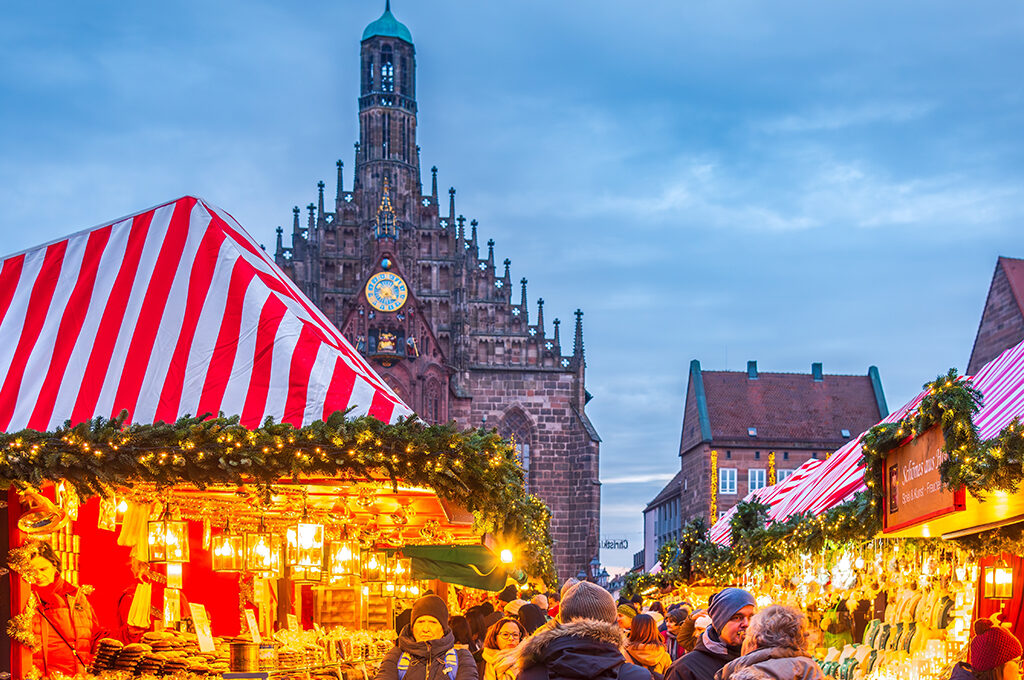
2026 dates: 27 November to 24 December
Nuremberg‘s Christkindlesmarkt is one of the oldest Christmas markets in Europe, and for me it’s still the benchmark for what a traditional market should feel like. It’s less about souvenirs and more about proper handmade wooden decorations and gingerbread that actually tastes homemade. There’s a well known opening ceremony on the Friday before the first Sunday of Advent that’s worth timing your trip around if you can.
Budget: Similar to Cologne, I’d say €4 to €6 for mulled wine and around €20 a day covers food and drink comfortably.
My pro tip: If the main market gets too much, duck into the Kinderweihnacht children’s market nearby. It’s smaller, calmer, and honestly just as charming.
6. Budapest, Hungary
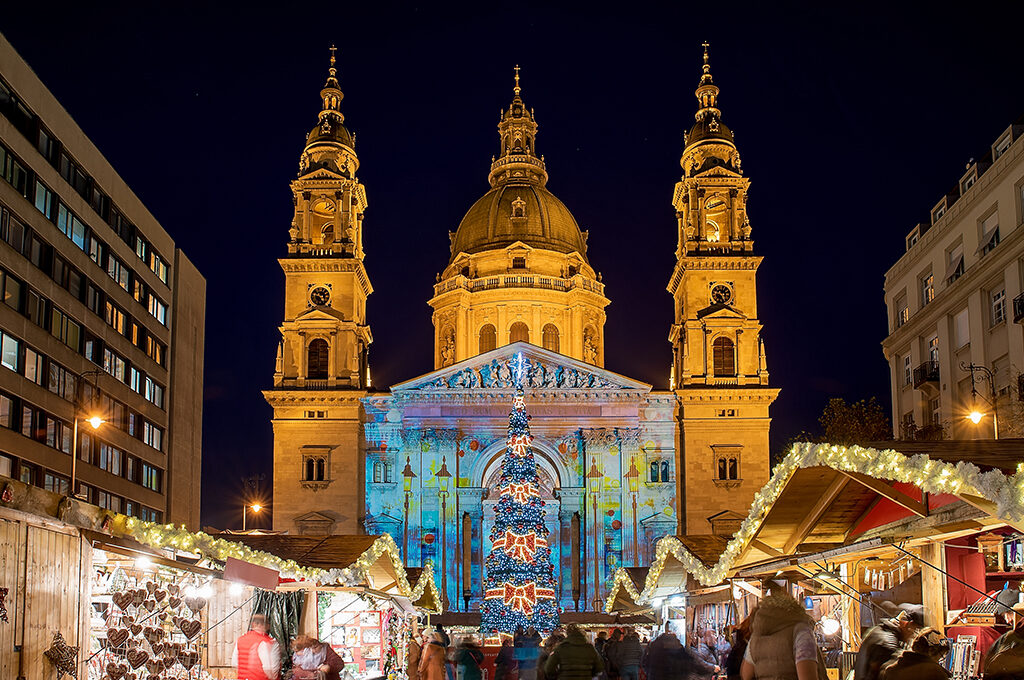
2026 dates: Mid-November to late December
Budapest‘s Vörösmarty Square is one of my go-to recommendations for people wanting big Christmas market energy without the big Christmas market prices. Lángos and goulash served in bread bowls are worth the trip alone, and the light show projected onto St Stephen’s Basilica most evenings is a proper “stop and stare” moment. I always try to squeeze in a visit to the thermal baths afterwards to thaw out.
Budget: This is one of the more affordable big markets, with mulled wine from around €2.50. A full weekend including food, drink and a bit of shopping has cost me anywhere from €120 to €250.
My pro tip: Wander off the main square. The side streets around Vörösmarty have smaller stalls with noticeably better prices and shorter queues.
7. Tallinn, Estonia
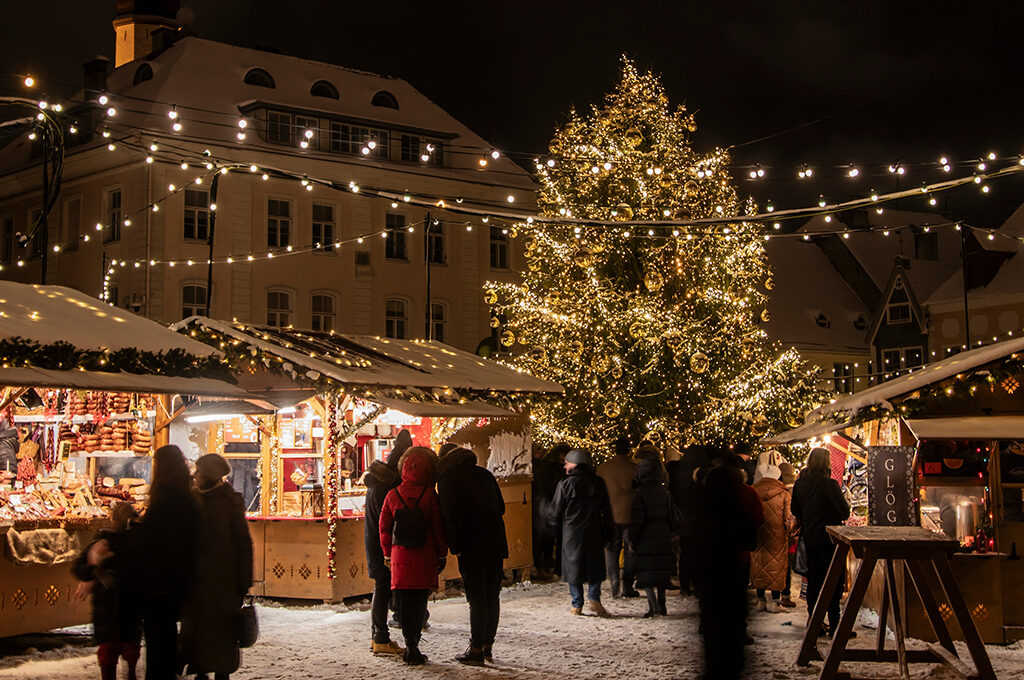
2026 dates: Late November to early January
Tallinn is one I only visited relatively recently and genuinely wish I’d gone sooner. The market sits in the medieval Old Town, and the tree tradition there goes back to 1441, which makes it one of the oldest in Europe. It’s smaller and more intimate than the big western markets, with the stalls spreading out from the central tree like spokes on a wheel.
Budget: In my experience, Tallinn can be noticeably more affordable than some of the bigger Western European Christmas market destinations, particularly for food and drink. So a mug of glögi and a snack barely dents your wallet, and a full day rarely costs more than €20 to €30.
My pro tip: Get there for sunrise, around 9am in December. I did this on a whim and had near-empty photos of the Old Town rooftops before a single tour group showed up.
Best Christmas Markets To Visit For A Quieter Break
If crowds aren’t your thing, a few lesser known spots have given me some of my favourite market memories without the queues.
1. Bruges, Belgium
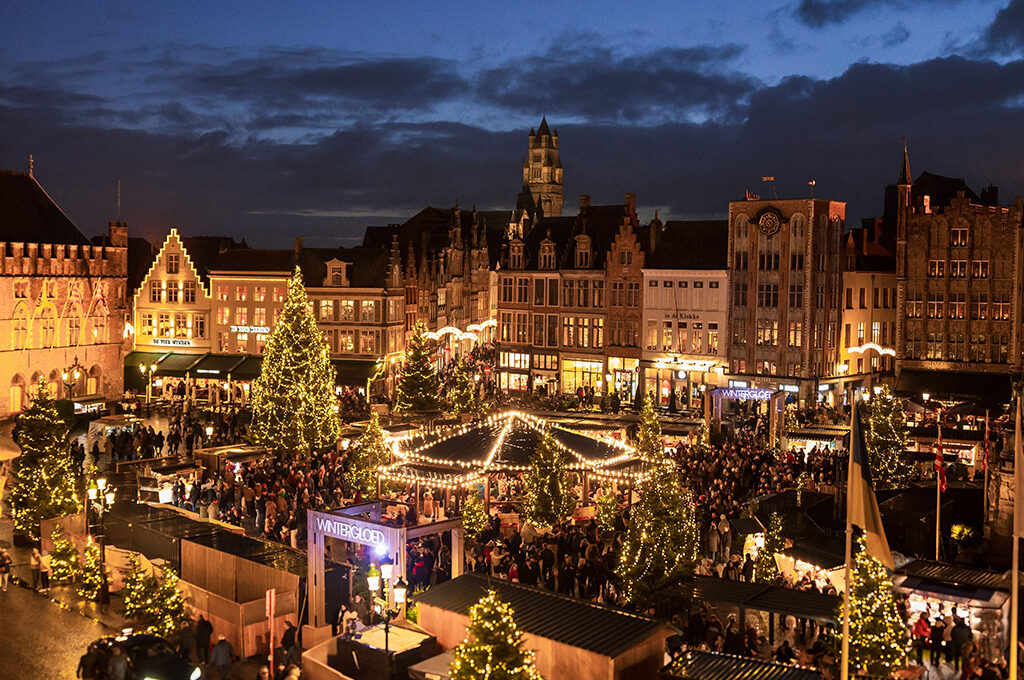
2026 dates: Late November to early January
Bruges is one of the prettiest places I’ve done a Christmas market trip, full stop. Cobbled streets, canals, and enough chocolate shops to make the whole thing feel slightly indulgent. The main square has an ice rink suitable for all ages, and I’ve spent more time than I’d like to admit just wandering the side streets with a waffle in hand.
Budget: Mid-range overall. Glühwein runs €4 to €5 and a waffle or similar snack is €3 to €6, so €20 to €25 a day covers a relaxed visit.
My pro tip: Climb the Belfry tower first thing in the morning. I left it too late once and the afternoon queue was brutal.
2. Zagreb, Croatia
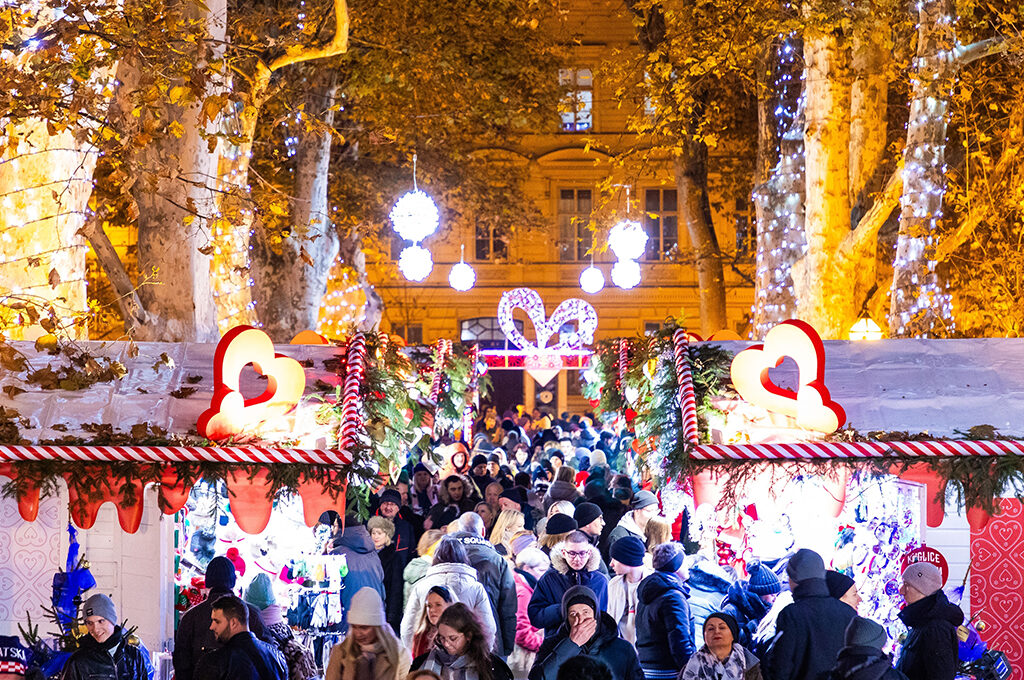
2026 dates: Late November to 7 January
Zagreb has been voted one of Europe’s best Christmas markets more than once, and I get why. It’s spread across more than twenty locations around the city, each with its own theme, which sounds overwhelming but somehow isn’t.
Budget: One of the cheapest on this list. Mulled wine from around €2.50, and I’ve covered a full day of food, drink and getting around the city for under €30.
My pro tip: Don’t try to see all twenty locations. I made that mistake once. Pick two or three that actually interest you and enjoy them properly instead.
3. Salzburg, Austria
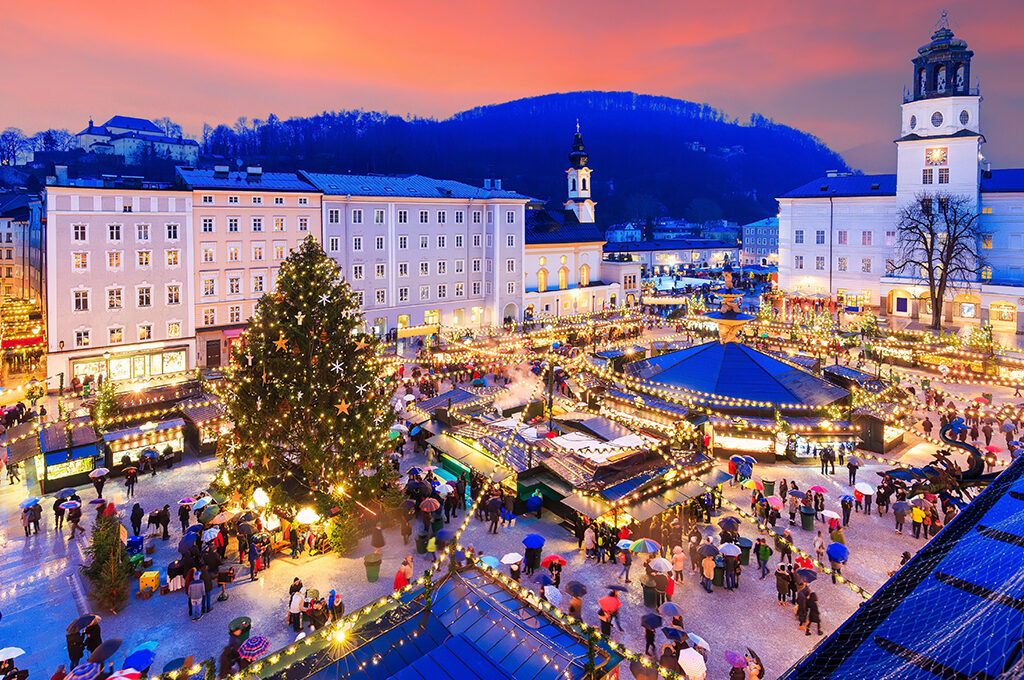
2026 dates: Late November to 1 January
Salzburg feels like Vienna’s quieter, more refined cousin. The market spans three main squares beneath the Hohensalzburg fortress, and it leans more towards traditional gifts than food, which I actually like. Live music and choirs running throughout the season give it a slightly more cultural feel than most.
Budget: Similar to other Austrian markets, €4 to €6 for mulled wine and around €20 a day. If you’re planning museum visits, the Salzburg Card starts from €31 for 24 hours.
My pro tip: December counts as off-season in Salzburg, so the Salzburg Card is actually cheaper than in summer while still covering free museum entry and public transport. I only found this out by accident and it saved me a fair bit.
Budgeting For A Christmas Market Trip
I get asked about budgets more than almost anything else, so here’s roughly what I work with for a two to three night trip:
- Budget destinations (Budapest, Zagreb, Prague, Tallinn): €120 to €250 total per person, including accommodation, food and drink
- Mid-range destinations (Nuremberg, Cologne, Bruges, Dresden): €180 to €350 total per person
- Higher cost destinations (Vienna, Strasbourg, Copenhagen): €350 to €600 total per person, mostly driven by December hotel prices
On top of accommodation, I always set aside €20 to €30 a day for food and drink at the markets themselves. And don’t forget most mulled wine mugs carry a small refundable deposit, usually €3 to €5, that you get back when you return the cup, or you can just keep it as a genuinely nice souvenir.
From the fares I’ve seen, UK routes to major European hubs can sometimes fall around the £60 to £150 return mark in December when booked several months ahead, although prices vary significantly by route, dates and demand. Leave it later and prices climb fast, especially for weekend departures around the big opening weekends.
If you’re travelling to any of these countries, it’s always worth a quick check of UK’s foreign travel advice before you go. Entry requirements and any local advisories can change, and I always look this up the week before flying, just to be safe.
When To Book A Christmas Market Holiday From The UK
Most markets open mid to late November and close around Christmas Eve, though Vienna, Prague, Budapest, Zagreb and Tallinn tend to stay open into early January, which is exactly why I favour them for a post-Christmas or New Year trip.
If you’re aiming for better choice and potentially lower flight and hotel prices, it’s worth comparing options several months ahead, particularly for December weekends and popular markets. I’ve learned this the hard way more than once, leaving it late almost always means paying more and having less choice, especially for weekend flights in December.
Going midweek rather than at the weekend also helps you dodge the worst crowds, particularly at the bigger names like Strasbourg and Cologne.
How Many Days You Need At A Christmas Market
For one city, I’d say two to three nights is enough to properly see the main market plus a few smaller ones nearby. If you’re combining destinations, Strasbourg and Colmar, or Vienna and Salzburg, give yourself four to five nights so you’re not sprinting between train stations.
Bigger cities like Vienna or Budapest, where the markets are spread across several squares, are worth a slightly longer stay. Smaller towns you can usually wrap up in a single day trip.
My Top Tips For A European Christmas Market Trip

- Layer up properly. I’ve been caught out more than once by how cold Central and Eastern Europe gets after dark.
- Always carry cash. Plenty of smaller stalls, especially for mulled wine, still don’t take card.
- Book accommodation early. Prices in the popular towns climb fast closer to December, especially in Alsace and central Vienna.
- Check opening days first. Some smaller markets only run on weekends or for a single weekend a year. I’ve turned up to a closed market more than once assuming otherwise.
- Try more than one mulled wine. German Glühwein, Czech svařák, Baltic glögi, they’re all different, and part of the fun for me is comparing them.
Final Thoughts
Whether you’re chasing the classic postcard scene in Strasbourg or Vienna, or something quieter and cheaper in Zagreb or Tallinn, I genuinely think Europe’s Christmas markets are one of the most reliable winter breaks you can book. Get the dates, crowds and budget right, and it’s one of the easiest festive trips to nail.
At Vibes Group UK, I get to spend my days hunting down the flight deals that make trips like these possible, and a Christmas market break is exactly the kind of trip I love working on. If you’re planning yours, have a browse of our latest travel guides and destination inspiration, or come find me and I’ll help you track down flights that suit your budget and your festive mood.
FAQs about Best European Christmas Markets to Vist
Which European Christmas market is best?
There’s no single answer, honestly, it depends what you want. For the classic postcard scene, I’d say Strasbourg or Vienna are the top Christmas markets in Europe. For value and a quieter break, Prague and Budapest are hard to beat.
Which is the most beautiful Christmas market in the world?
Strasbourg gets my vote most years, the cathedral square lit up at night is one of the most beautiful Christmas markets in Europe I’ve seen anywhere. Though I’ll admit Tallinn’s medieval Old Town comes very close, especially at sunrise.
Where are the best Christmas markets in Europe in 2026?
Strasbourg, Vienna, Prague, Cologne and Nuremberg remain the famous Christmas markets in Europe that most people search for, but if you want something a bit different for your Christmas market break this year, Zagreb and Tallinn are both worth serious consideration.
What is the most Christmassy town in Europe?
For me, it’s Colmar. It’s smaller than Strasbourg, just as fairytale looking, and doesn’t feel quite as overwhelmed by visitors. Rothenburg ob der Tauber in Germany is a close second if you want something similarly cosy.
Can I visit multiple Christmas markets in one trip without a car?
Yes, easily. I’ve done most of my multi-market trips entirely by train, particularly across Alsace, Germany and Austria.
Do all Christmas markets close on the same date?
No, and this catches people out. German markets often close on Christmas Eve, while Vienna, Prague, Budapest, Zagreb and Tallinn frequently run into early January.