

The first time I typed “is Sri Lanka safe for solo female travellers” into Google, I was sat on my sofa in the UK with a half-finished cup of tea, three browser tabs of horror stories open, and a flight already half-booked. I’d done solo trips before, but something about Sri Lanka had everyone around me raising an eyebrow, “on your own?”, “isn’t that a bit risky?”, “what does your mum think?”
Three solo trips later (the first a fortnight on my own, the second a longer return visit to revisit my favourites and tick off a few I’d missed), I can tell you the honest answer: yes, Sri Lanka is safe for solo female travellers, with the same sensible caveats you’d apply to solo travel anywhere outside your home country.
It’s not the easiest destination for solo women, and I won’t pretend otherwise. But it’s also nowhere near as daunting as those old Reddit threads from a decade ago might suggest. This guide is everything I wish I’d known before I went: the real risks, how to handle them, when to go, where to go, and what I’d actually pack.
Sri Lanka is generally safe for solo female travellers, but it asks more of you than, say, a solo trip to Portugal or Japan. The infrastructure can be chaotic, the cultural norms around attention and personal space are different, and the country’s recent history means there’s more background noise to filter through than in a lot of other popular solo destinations.
Here’s what that actually means in practice.
Discomfort isn’t the same as danger
This is the single most useful mindset shift I made before my first trip. Solo travel anywhere unfamiliar puts your nervous system on high alert, and it’s very easy to mistake “I feel uncomfortable” for “I am in danger”. Staring, being approached by strangers, having someone ask where you’re from three times in one tuk-tuk ride, none of that is inherently dangerous, even though it can feel intense in the moment.
That said, your gut is smarter than your logic in the moment it matters. If something genuinely feels wrong, remove yourself first and analyse it later. I’d always rather you leave a situation unnecessarily than stay in one you shouldn’t have.
Unwanted attention and staring
Staring is genuinely common in Sri Lanka and isn’t considered rude the way it would be at home, you’ll get looked at on trains, in restaurants, walking down the street, especially outside the main tourist hubs. It’s uncomfortable, but in my experience it rarely tips into anything threatening.
Friendly chat from tuk-tuk drivers, shopkeepers and fellow travellers is part of the charm of the country, and most of it is exactly that, friendly. If a conversation starts to feel like it’s heading somewhere you don’t want it to go, a flat “no thank you,” headphones in, or simply walking into a shop or hotel lobby usually does the trick.
Petty crime, harassment and scams
Compared with a lot of popular backpacker destinations, petty crime in Sri Lanka is relatively low, but it’s not non-existent,pickpocketing around busy markets like Pettah in Colombo has crept up a little in recent years, and bag snatching on crowded buses and trains does happen. Tourist police presence around major hotels and sites has increased noticeably since the start of 2026, which has helped, but the usual rules apply: keep bags zipped and in front of you, and don’t flash an expensive camera or phone in a crowd.
It’s worth being upfront about something the UK government flags too: women travelling in Sri Lanka have reported incidents ranging from lewd comments to physical harassment and, in rarer cases, assault, with most reported incidents happening in crowded areas. Official advice is to take extra care when travelling alone or in small groups, and a personal safety alarm isn’t a bad addition to your packing list. I want to include this not to scare you, but because I’d rather you went in informed than blindsided.
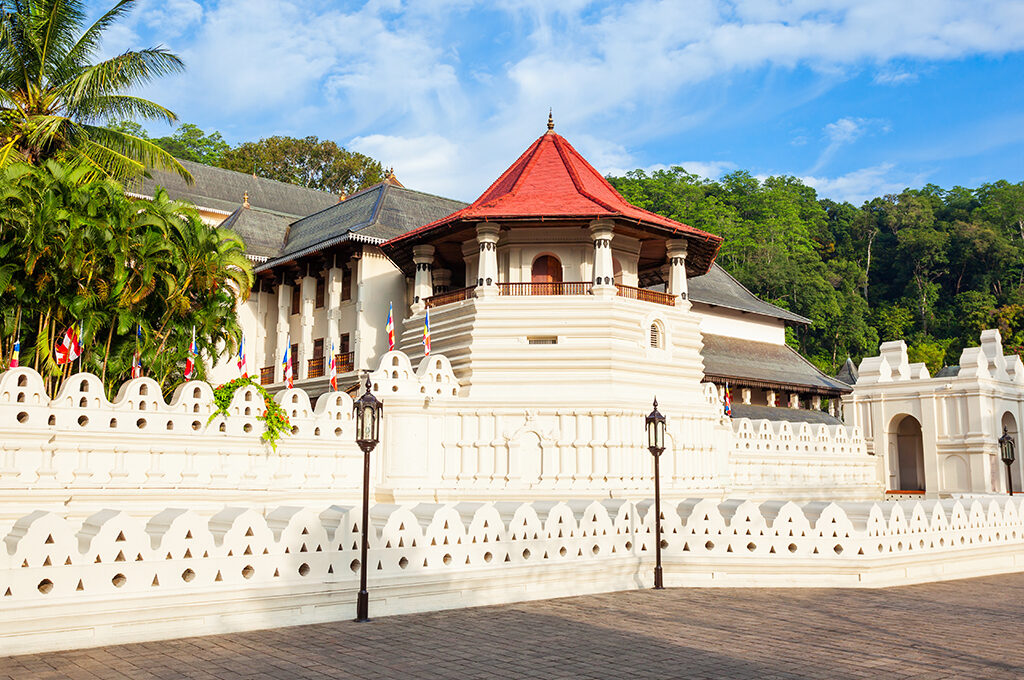
Gem and “special price today only” scams pop up around big tourist sites; the area near the Temple of the Tooth in Kandy is a known hotspot, and inflated tuk-tuk fares are extremely common if you don’t agree on a price (or use a metered app) before you set off.
Political stability and the current travel advisory
Sri Lanka’s modern history includes a long civil war that ended in 2009, the devastating 2019 Easter Sunday bombings, and a severe economic crisis in 2021–2022 that brought fuel queues and rolling power cuts. That history is exactly why older relatives tend to look concerned when you mention the trip, but it’s increasingly out of step with the Sri Lanka you’ll actually land in.
The economy has stabilised significantly since the worst of the crisis: growth returned in 2025 for the first time since 2021, the rupee has held steady against the dollar since late 2025, and the daily power cuts that once ran for hours have become a rare, scheduled inconvenience rather than a daily reality. Tourist numbers reflect that recovery, with arrivals up sharply in 2025 and major Western governments largely holding to measured caution rather than blanket warnings against travel.
That doesn’t mean zero risk. There’s an ongoing elevated threat of terrorism globally that includes Sri Lanka, and demonstrations can still spring up with little notice, occasionally turning disruptive or violent. Most petty crime and assault reports involve opportunistic, low-level incidents rather than organised threats to tourists, and the areas you’re most likely to visit, Colombo’s main districts, the south coast, the Cultural Triangle, see a fraction of the disruption that occasionally hits elsewhere. There’s also a still-clearing minefield legacy from the civil war in parts of the Northern Province and Jaffna Peninsula, so stick to marked paths and well-used roads if you head up that way.
Before you book, check your government’s current advisory and sign up for updates, and if you’re travelling during an election period, plan to be somewhere small and calm that day rather than in a major city.
Health, food and water
Tap water isn’t safe to drink in most of Sri Lanka, so stick to bottled or filtered water, including for brushing your teeth. Food hygiene standards differ from what you’re used to, and a sensitive stomach is more of an inconvenience than usual when you’re travelling alone, pack rehydration sachets and something like Imodium just in case, and ease into spicy and unfamiliar food rather than diving straight in on day one.
Beaches, swimming and water safety
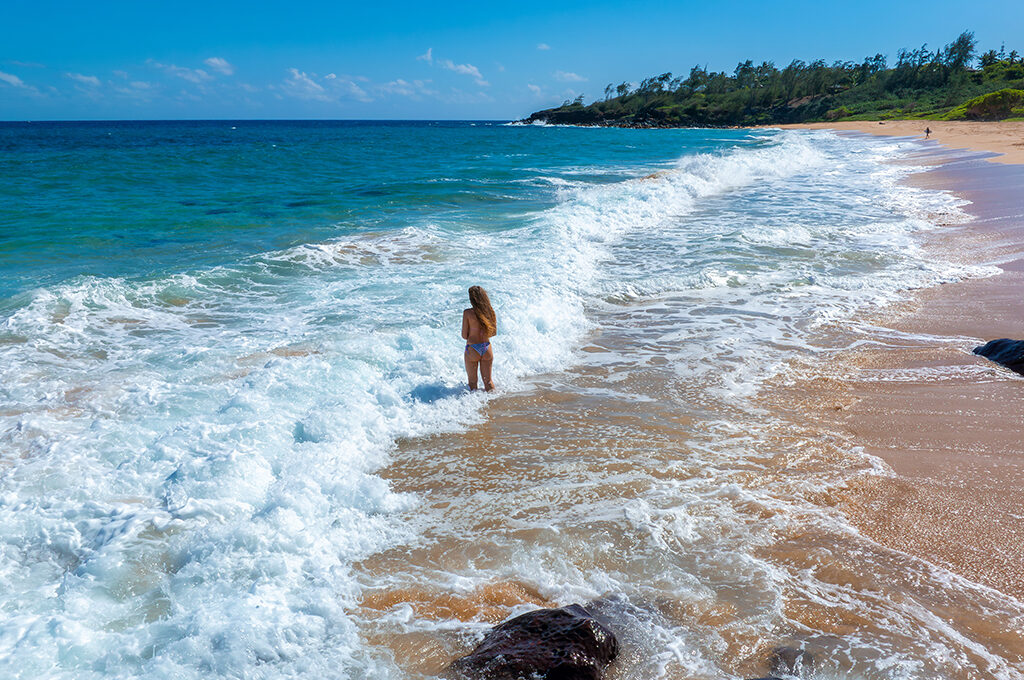
Sri Lanka’s coastline is genuinely stunning, but currents and rips can be deceptively strong, especially on the south coast in monsoon-adjacent months. Tell someone at your hotel when you’re heading to the beach and roughly when you’ll be back, check for flag warnings, and try to swim where there are other people around rather than somewhere totally deserted.
Dogs, monkeys and the odd leech
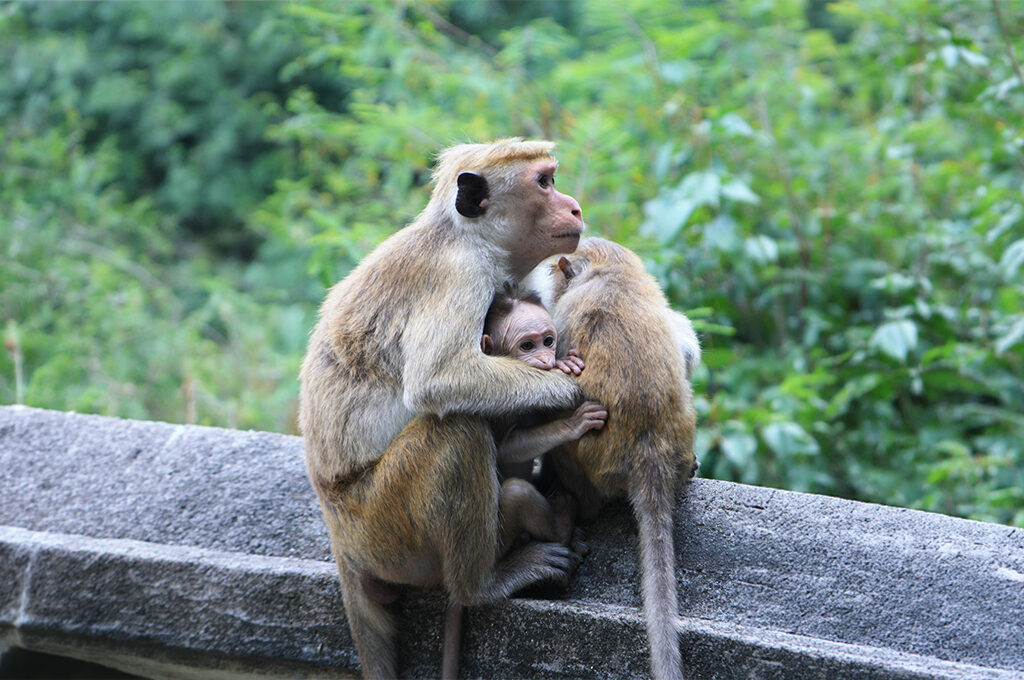
Street dogs are everywhere and almost all of them are placid; most just want a stroke or scrap of food and will lose interest quickly if ignored. Rabies does exist, though, so keep your distance and don’t approach strays, however tempting. Monkeys are the ones to actually watch, keep food out of sight in markets and temple grounds, and don’t get close for a photo unless you’re prepared to lose whatever’s in your hand. If you’re hiking through anything jungly, particularly around Ella or the hill country, pack long socks: leeches are a real, if harmless, nuisance.
Best Time to Visit Sri Lanka for Solo Female Travellers
This is one I genuinely didn’t research properly before my first trip, and I paid for it with a week of grey skies on the south coast.
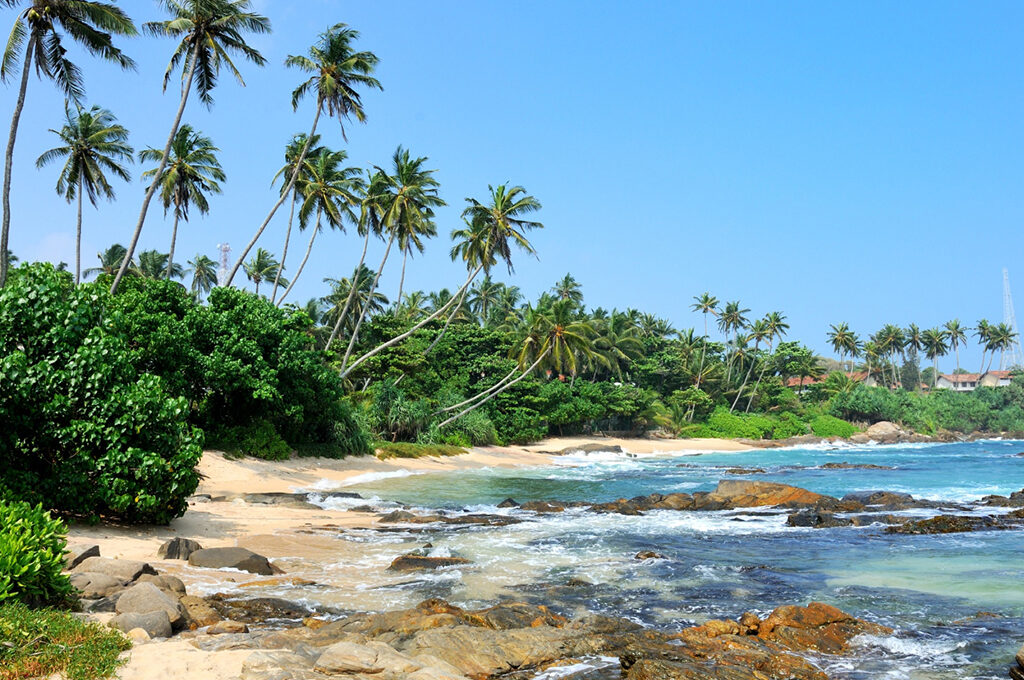
Sri Lanka doesn’t have a single dry season, it has two monsoons hitting opposite coasts at different times. The southwest monsoon runs roughly from May to October, bringing rain to the west, south and hill country, while the northeast monsoon runs from October to January, affecting the north and east of the island. The upshot is that somewhere in Sri Lanka has decent weather almost year-round, you just need to plan your route around it.
December to March is the classic high season and, for good reason, the best all-round window for a solo trip: dry weather across the west and south coasts, the Cultural Triangle, and the hill country, making it ideal for hiking Sigiriya, Pidurangala Rock, or Little Adam’s Peak in Ella without battling mud or cancelled trains. It’s also whale-watching season in Mirissa, which is a brilliant solo-friendly activity since you’re automatically grouped with other travellers on the boat. This is peak tourist season, though, so prices are higher and popular spots are busier — which, depending on your comfort level, can actually feel reassuring as a solo woman.
April to September flips things: the east coast (think Trincomalee and Arugam Bay) comes into its own, with calmer seas and good surf conditions, while the west and south coasts head into their rainier months. July and August also bring the Esala Perahera in Kandy, a spectacular Buddhist festival with elephants, dancers and drummers parading through the streets, one of the most memorable things I’ve done solo anywhere, and a great example of a “crowded but safe” experience, since you’re surrounded by families and other travellers the whole time.
Shoulder months (April, September, and November in particular) are my personal sweet spot for solo travel: fewer crowds, lower prices, and weather that’s usually still workable across most of the island, even if you get the odd downpour.
One more thing worth knowing for 2026 specifically: Cyclone Ditwah hit Sri Lanka in late 2025, and while the main tourist areas around Colombo and the south coast came through largely unaffected, some hill country rail and road infrastructure was still under repair as of early 2026, worth double-checking train schedules to Ella or Nuwara Eliya if you’re planning that route.
Sri Lanka Solo Travel: Getting Around Safely
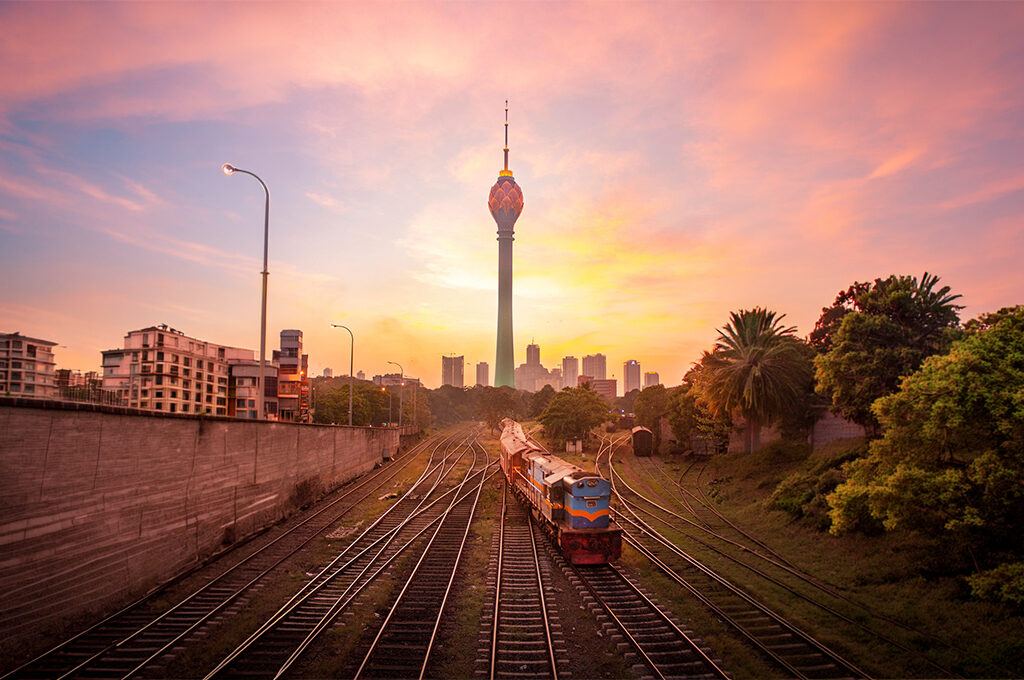
Transport is where most of the genuinely uncomfortable solo female travel stories I’ve heard actually happen, so it’s worth thinking through properly.
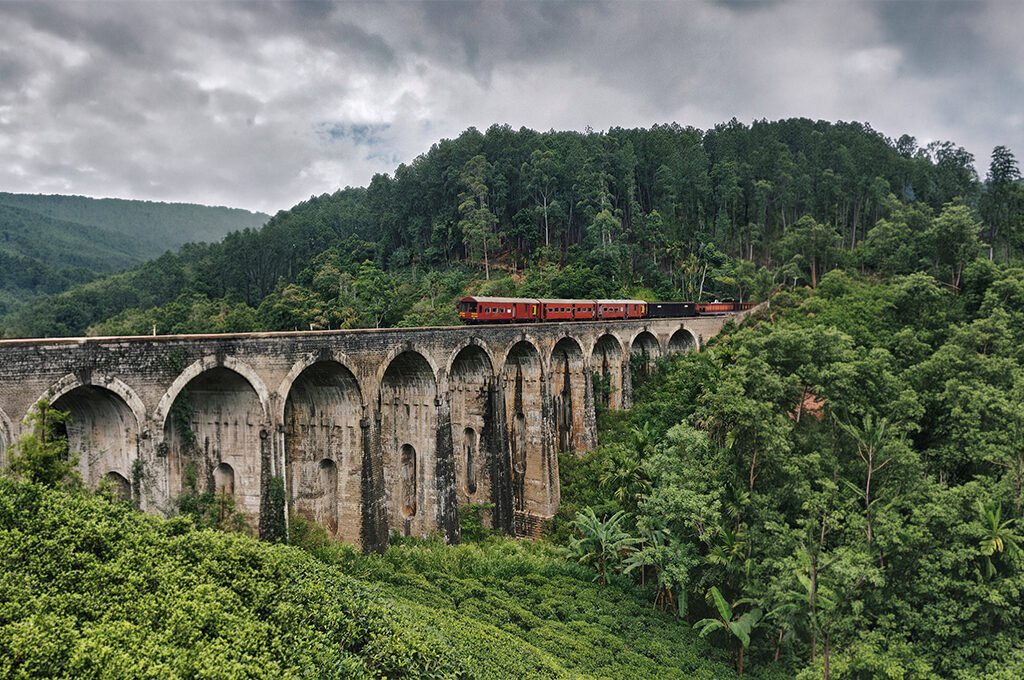
Public transport (trains and intercity buses) is cheap, scenic, and an authentic part of the experience, the train to Ella is rightly famous, but it’s also where pickpocketing risk is highest and where staring and unwanted chat are hardest to escape, simply because you’re stuck in a confined space. If you’ve done public transport in other parts of South or Southeast Asia before, you’ll likely be fine. If this is your first solo trip outside more “comfortable” Western destinations, it can be a bit of a shock, and there’s no shame in choosing private transport instead.
Tuk-tuks are everywhere and brilliant for short hops, just agree the price before you get in, or use a metered app like PickMe (Sri Lanka’s local equivalent of Uber) to avoid the haggling entirely.
Private drivers are genuinely affordable by UK standards, typically in the region of £45–£80 a day depending on the vehicle, and take a huge amount of stress out of solo travel, no schedules to navigate, no luggage to guard on a packed bus, and a familiar face for the whole trip if you book the same driver throughout. Ask for recommendations from other solo travellers rather than booking blind, and check reviews thoroughly.
Organised tours and day trips are, in my opinion, the single best move for first-time solo travellers in Sri Lanka. They take the logistics off your plate entirely, you’re never genuinely “alone” if something goes wrong, and you’ll usually end up with a built-in group of fellow travellers for the trickier or more remote spots, Pidurangala Monastery, the Ella hiking trails, or a safari at Yala or Wilpattu, for example.
If you’d rather not piece all of this together yourself, our team at Vibes Group UK can build a tailor-made itinerary around exactly this, flights, hotels, transfers and tours, all sorted in one place.
Where to Go: A Solo-Friendly Sri Lanka Route
You genuinely don’t need three weeks to see the best of Sri Lanka. A solid two-week solo route, roughly in this order, gives you variety without too much backtracking:
- Colombo (1–2 days) – Ease in here. The Galle Face, Cinnamon Gardens and Mount Lavinia areas are the most established and lowest-incident parts of the capital for visitors, and it’s a gentle, walkable introduction before you head further afield.
- Sigiriya & the Cultural Triangle (2-3 days) – Sigiriya Rock and Pidurangala for sunrise, plus Polonnaruwa and Anuradhapura if you have time. These ancient sites came through the 2025 cyclone unaffected and run year-round.
- Kandy (1-2 days) – The Temple of the Tooth, botanical gardens, and (if your timing lines up) the Esala Perahera festival. Watch for gem scams near the temple.
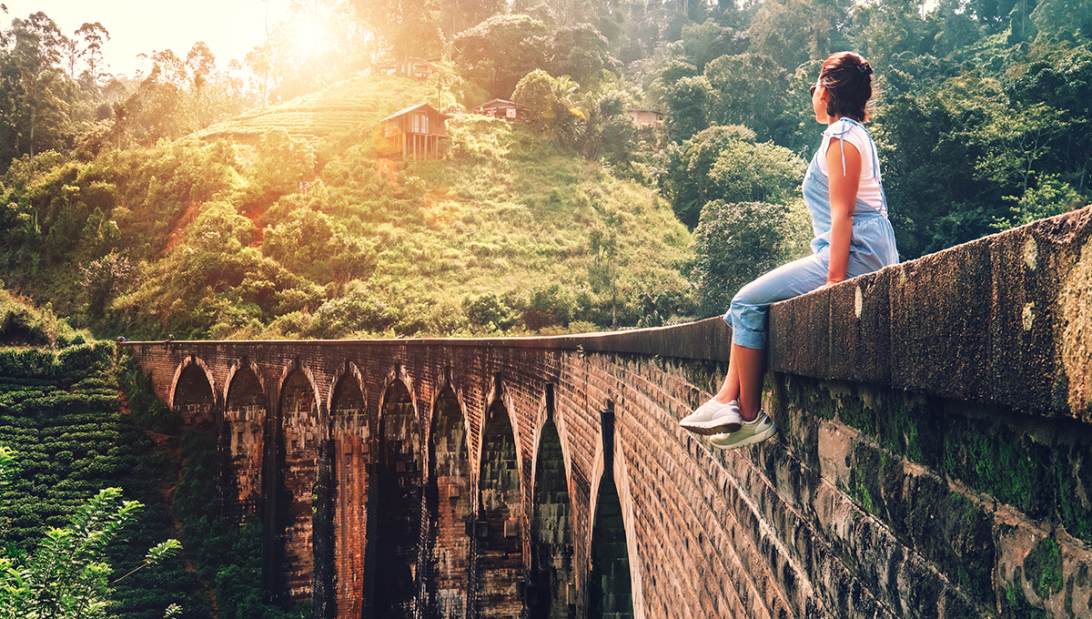
- Ella (2-3 days) – Hiking, the Nine Arch Bridge, and the famous train journey to get there (best done with a tour or in daylight hours if travelling solo).
- South coast: Galle, Mirissa or Unawatuna (3-4 days) – Galle Fort for culture and cafés, Mirissa for whale watching and a slower pace. This stretch of coast has consistently strong safety records for tourists.
If you’ve got longer, Arugam Bay on the east coast is excellent for surfing and a noticeably more laid-back, less “stared-at” solo experience, especially outside the southwest monsoon months.
Where to Stay as a Solo Female Traveller
I lean towards small boutique guesthouses and well-reviewed mid-range hotels over big anonymous chains when I’m travelling alone in Sri Lanka. You tend to get more genuine local insight from owners and staff and a level of personal attention that adds a layer of safety in itself (someone actually notices if you don’t come back from a day trip).
A few practical filters I always apply:
- Sort reviews by lowest-rated first and read for any mention of safety, location or staff behaviour
- Pick accommodation with a 24-hour reception or a host who’s contactable, especially if you’re arriving late
- In bigger towns, stay somewhere central rather than isolated, even if it costs a little more
- Female-only hostel dorms exist in the bigger backpacker hubs (Ella, Mirissa, Colombo) if you want a guaranteed solo-traveller social scene
Safety Precautions for Your Solo Trip to Sri Lanka
- Get a local eSIM or SIM before you land so you’ve got data and maps from the moment you arrive. Sri Lankan data is very cheap, and being reachable is one of the simplest safety upgrades available to you.
- Share your itinerary with someone back home, including accommodation names and rough dates.
- Hold off posting your real-time location on social media until you’ve left that hotel or town, unsolicited DMs from strangers after a public post are a genuinely common annoyance here.
- Be cautious with drinks. Local advice specifically warns against accepting drinks from strangers or leaving your own unattended, and notes that measures are rarely used in bars, so drinks are often stronger than you’d expect at home. Arrack (the local coconut spirit) is delicious but deceptively potent.
- Carry a copy of your passport and keep the original secured, Sri Lankan law requires you to be able to produce ID, and a copy is usually sufficient day to day.
- Book your airport transfer in advance. Bandaranaike International Airport’s arrivals area can be hectic, with a wall of taxi drivers waiting outside. Having a pre-arranged transfer waiting with your name on a sign removes a genuinely stressful first half-hour.
- Lean on a polite white lie if needed. “I’m meeting my partner shortly” has gently ended more unwanted conversations for me than I can count.
- Sort travel insurance before you go, and check it covers solo activities like hiking and watersports specifically.
- Check entry requirements early. Sri Lanka now requires an Electronic Travel Authorisation (ETA) before arrival; this is currently issued free of charge as of late May 2026 and is valid for a 30-day stay, and your passport needs at least six months’ validity remaining from your arrival date.
- Keep the Sri Lanka Tourist Hotline saved. It’s 1912, and it’s there specifically for tourists who need help or guidance while on the ground.
What to Wear in Sri Lanka as a Solo Female Traveller
Sri Lanka is a conservative country, and dressing with that in mind isn’t just respectful, it genuinely helps you move through the day with less unwanted attention.
Temples require shoulders and knees covered, with no sheer or tight clothing; most have scarves or sarongs to borrow if you turn up unprepared. Outside temples, the cities are reasonably relaxed and you’ll see all sorts of outfits, but the more skin you show, the more staring you’ll attract, which is a perfectly valid reason to dress modestly even where it’s not strictly required.
A solid packing list looks like this:
- Loose, breathable tops and t-shirts that cover your shoulders
- Lightweight long trousers, maxi skirts or dresses
- A scarf or sarong that doubles as a temple cover-up
- A throw-on dress or kaftan to wear over swimwear when you’re heading from the beach to a café
- Proper hiking shoes for Sigiriya, Pidurangala, or Ella’s trails
- Long, thin socks for jungle walks (the leeches, again)
How Much Does a Solo Trip to Sri Lanka Cost?
Sri Lanka is genuinely good value, even solo. As a rough guide from my own trips:
- Budget: £30–£45 a day, staying in guesthouses or hostel dorms, eating local food, and using public transport
- Mid-range: £60–£100 a day, with private rooms, the occasional private driver, and a mix of local and tourist-friendly restaurants
- Comfortable: £120+ a day if you want boutique stays, a private driver for most of the trip, and organised tours and activities throughout
The single biggest cost lever for solo travellers is transport, a private driver for two weeks adds up fast, whereas mixing in public transport and the occasional organised day tour keeps costs down without sacrificing much safety or comfort.
Looking Back on My Solo Journey
Before my first trip, I spent far too much time reading worst-case stories online and convincing myself I was making a reckless decision. Looking back now, I can say Sri Lanka felt far less intimidating than I expected and far more rewarding than I imagined.
Yes, there were moments where I had to stay switched on, trust my instincts, and navigate situations that felt uncomfortable rather than familiar. But there were also sunrise hikes, spontaneous conversations, train journeys through the hills, and places that made me stop and think, “I’m so glad I came here alone.”
Sri Lanka isn’t the kind of destination where you switch your brain off completely, but that doesn’t make it unsafe. For me, it was a place that rewarded preparation and confidence. If you’re considering taking the trip, I’d say go informed rather than fearful. I almost let the stories online put me off booking that first flight, and now it’s a place I’ve gone back to more than once, which probably tells you everything you need to know.
Safe travels!
FAQs about Solo Female Travel in Sri Lanka
Can solo female travellers use cashless payments in Sri Lanka, or should they carry cash?
Cards are accepted in many hotels, restaurants, and tourist areas, but cash is still needed for tuk-tuks, local shops, and smaller guesthouses.
Is Sri Lanka a good destination for a first-ever solo trip?
Yes, but it can feel more intense than some beginner-friendly destinations. A planned itinerary or organised tours can make it easier.
Are there many other solo travellers in Sri Lanka?
Yes. Places like Ella, Mirissa, and Arugam Bay are popular with solo travellers and backpackers.
Do I need to know Sinhala or Tamil to travel around Sri Lanka alone?
No. English is widely spoken in most tourist areas.
Is Sri Lanka suitable for remote working while travelling solo?
Yes. Many tourist areas have cafés and accommodation with Wi-Fi, but connection quality varies.