

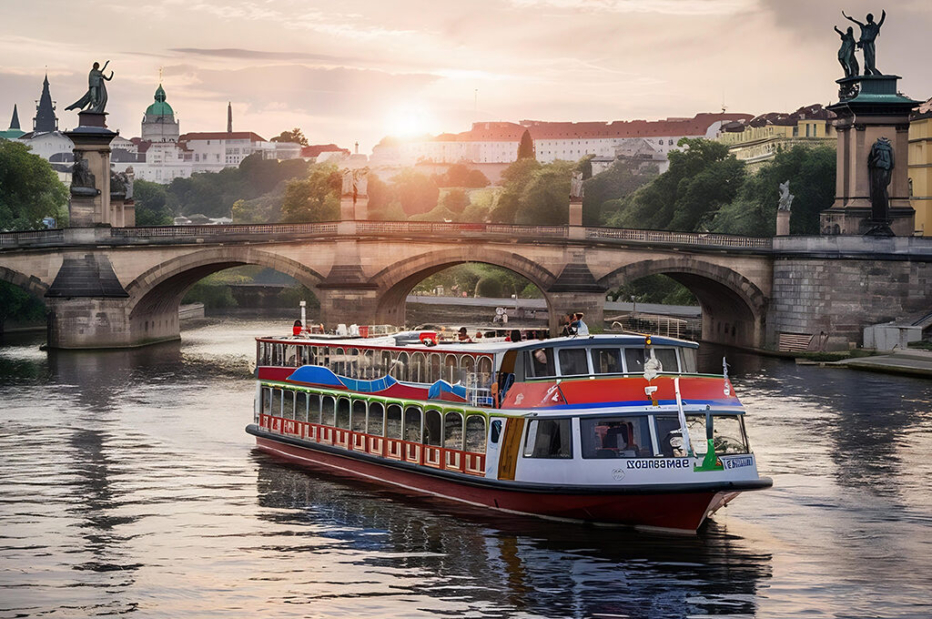
If you’re drawing up a shortlist of the best Eastern European cities to visit, you’re in good company, this is the part of the continent delivering the best value for a city break right now, without sacrificing an ounce of the grandeur you’d pay double for further west. Gothic spires, thermal baths, fairytale old towns, and prices that still make a long weekend genuinely affordable: Eastern Europe has quietly become one of the smartest picks for a short break.
What Counts as Eastern Europe, Anyway?
Definitions vary depending on who you ask, but for the purposes of planning a trip, the eastern european countries most travellers mean are the Czech Republic, Hungary, Poland, Slovakia, Romania, Bulgaria, Croatia, Slovenia, Serbia, Montenegro, North Macedonia, Albania, Bosnia and Herzegovina, and the Baltic states of Latvia, Lithuania and Estonia. Some of these, Hungary and the Czech Republic especially, are technically Central Europe geographically, but they sit firmly within how most people search for and book this kind of trip.
Quick Comparison: Best Eastern European Cities to Visit
| City | Country | Best For |
| Prague | Czech Republic | First-timers, architecture |
| Budapest | Hungary | Thermal baths, nightlife |
| Kraków | Poland | History, value |
| Ljubljana | Slovenia | Quiet city breaks |
| Dubrovnik | Croatia | Coastal grandeur |
| Riga | Latvia | Art Nouveau architecture |
| Tallinn | Estonia | Medieval old town |
| Vilnius | Lithuania | Off-the-radar charm |
| Sofia | Bulgaria | Budget breaks |
| Belgrade | Serbia | Nightlife, riverside |
| Zagreb | Croatia | Café culture |
| Bratislava | Slovakia | Day trips, stopovers |
| Bucharest | Romania | Belle Époque architecture |
| Sarajevo | Bosnia and Herzegovina | History, culture |
| Kotor | Montenegro | Fjord-like coastal scenery |
Best Eastern European Cities to Visit
1. Prague remains the benchmark for a reason. The Astronomical Clock in Old Town Square has been running since 1410, Charles Bridge at sunrise is worth setting an alarm for, and a decent Czech lager still costs less than bottled water in most pubs.
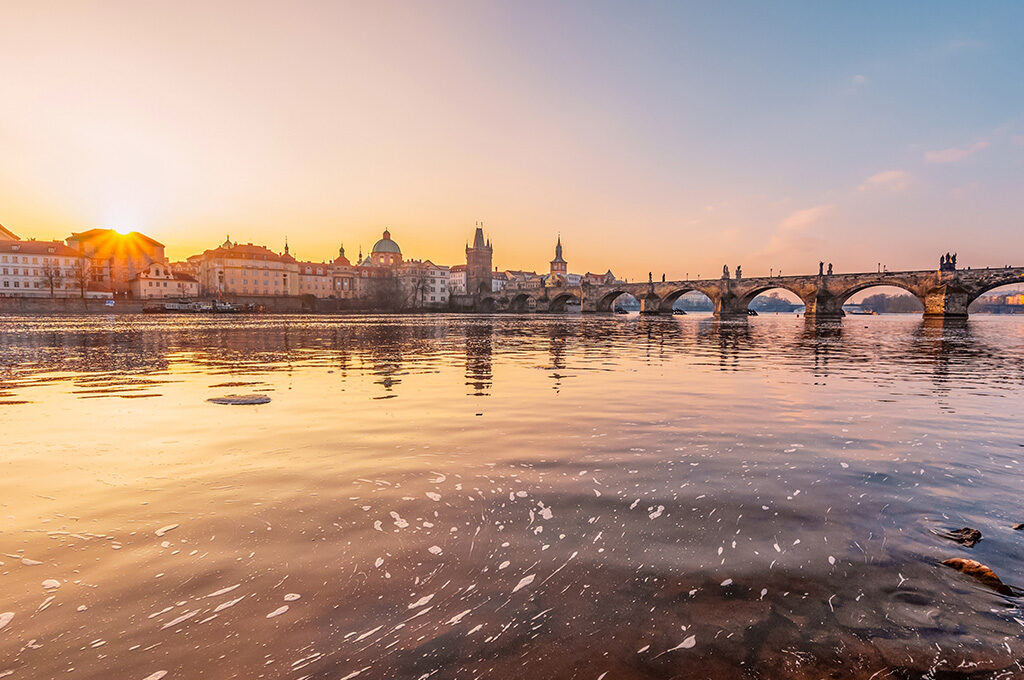
Tip: Visit the castle district first thing in the morning, before the tour groups arrive from the river cruises.
2. Český Krumlov, a few hours south of Prague, is one of the prettiest small towns in all of Europe, with a castle overlooking a horseshoe bend in the Vltava river.
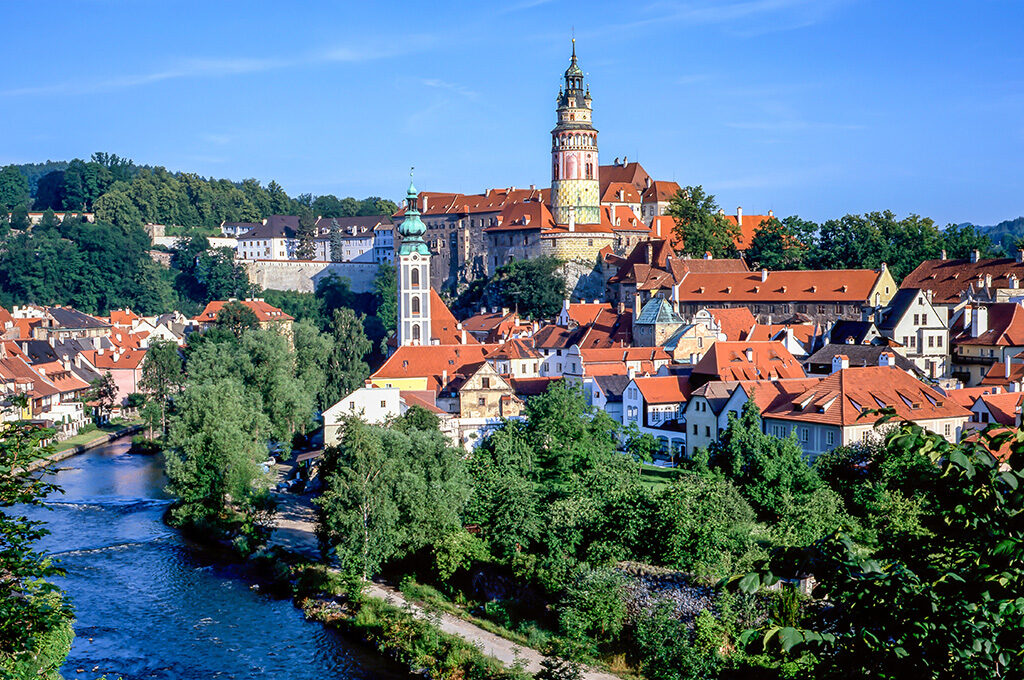
Tip: Climb the castle tower rather than just walking the grounds, the view over the town’s red rooftops is the real payoff.
3. Budapest earns its reputation on thermal baths, ruin bars carved out of old warehouses, and a skyline that genuinely rivals Vienna’s. The Hungarian Parliament building lit up at night over the Danube is one of the best city views in the whole region.
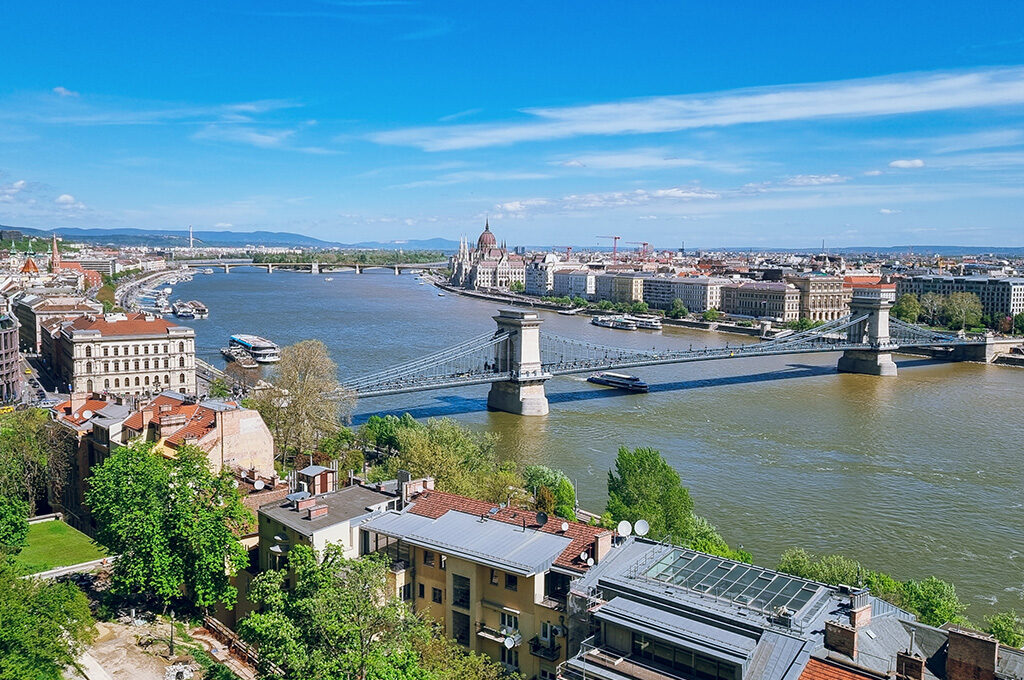
Tip: Go to Széchenyi Baths on a weekday morning, weekends get packed with stag and hen parties.
4. Kraków balances a genuinely moving history, a visit to Auschwitz-Birkenau is sobering but essential, with one of Europe’s liveliest old towns, centred on the Rynek Główny market square.
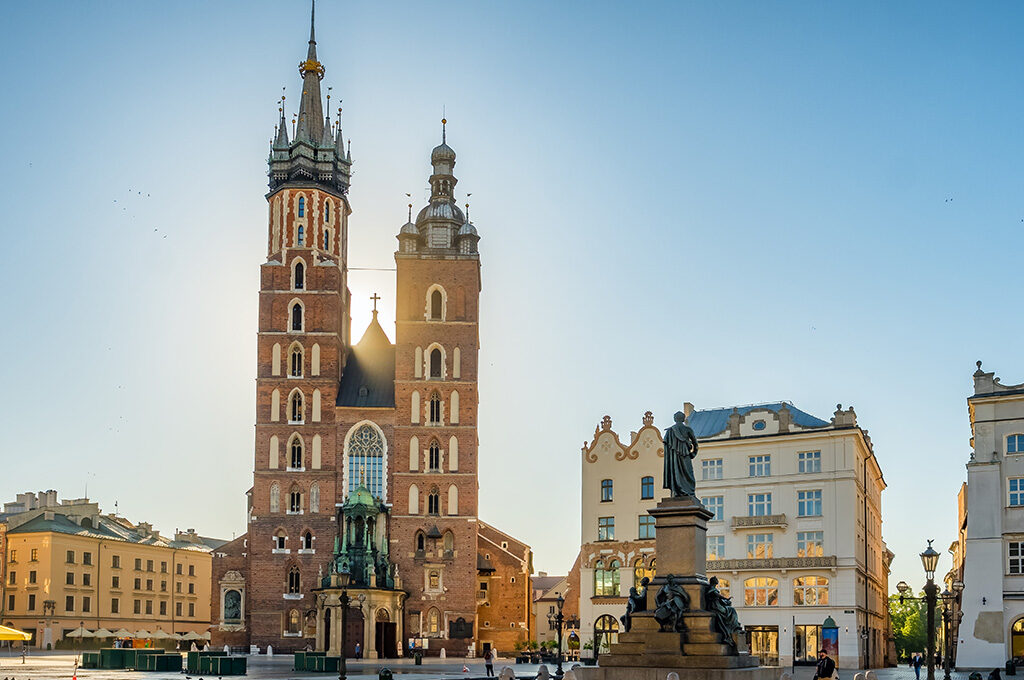
Tip: Book Auschwitz tickets online in advance; walk-up access is frequently full by mid-morning.
5. Warsaw has a turbulent past, but an ongoing restoration effort has kept its Old Town looking every bit as grand as it did before the war.
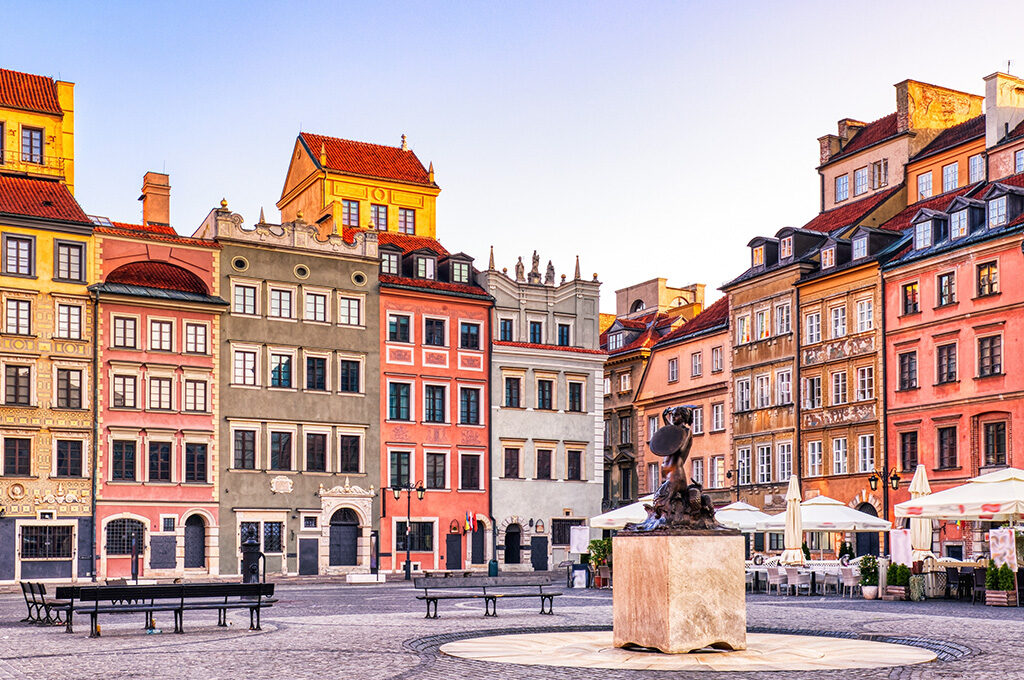
Tip: The Warsaw Uprising Museum is one of the most powerful museum experiences in the region, allow at least two hours.
6. Wrocław is often overlooked next to Kraków and Warsaw, but its pastel townhouses and canal-laced centre make it one of Poland’s prettiest stops.
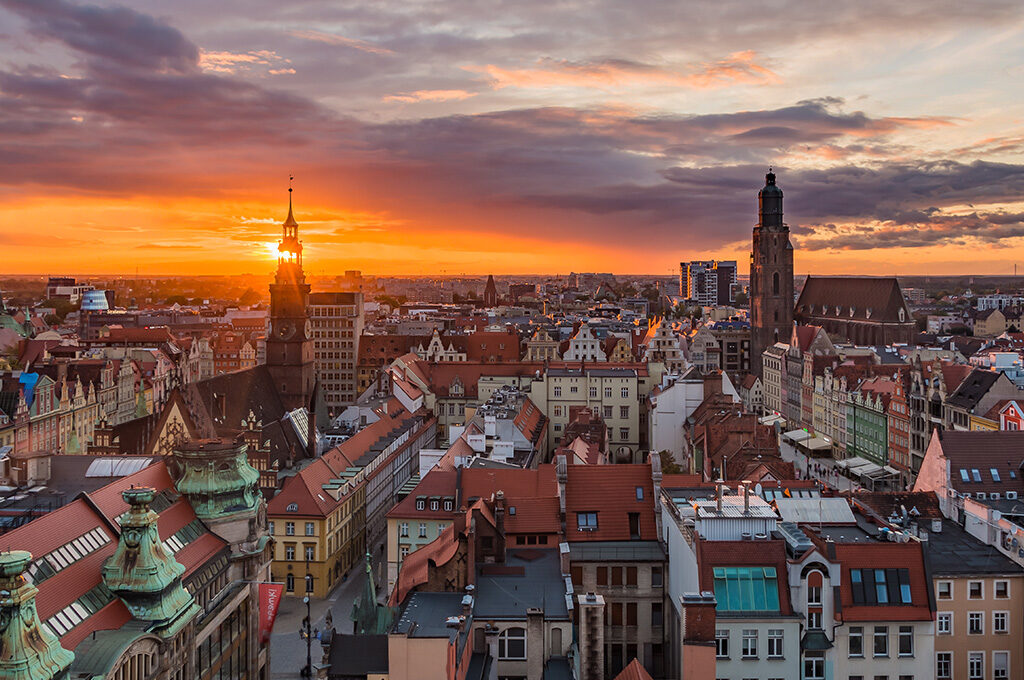
Tip: Look for the small bronze dwarf statues scattered around the city, there are over a hundred hidden across the streets.
7. Gdańsk, on the Baltic coast, offers a different side of Poland entirely, maritime history, amber trade, and the story of the Solidarity movement that helped end Communist rule.
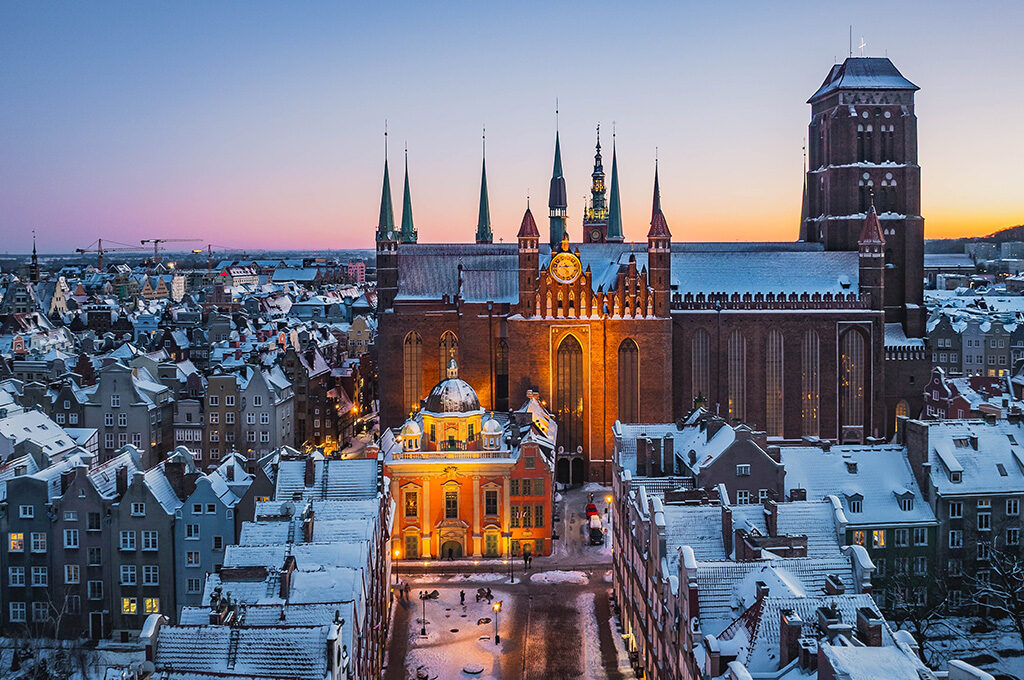
Tip: Visit the European Solidarity Centre before wandering Long Market, so the history has context before you see the rebuilt streets.
8. Bratislava sits conveniently on the direct train route between Vienna and Budapest, making it an easy stopover as well as a destination in its own right, with a compact old town and the whimsical Blue Church.
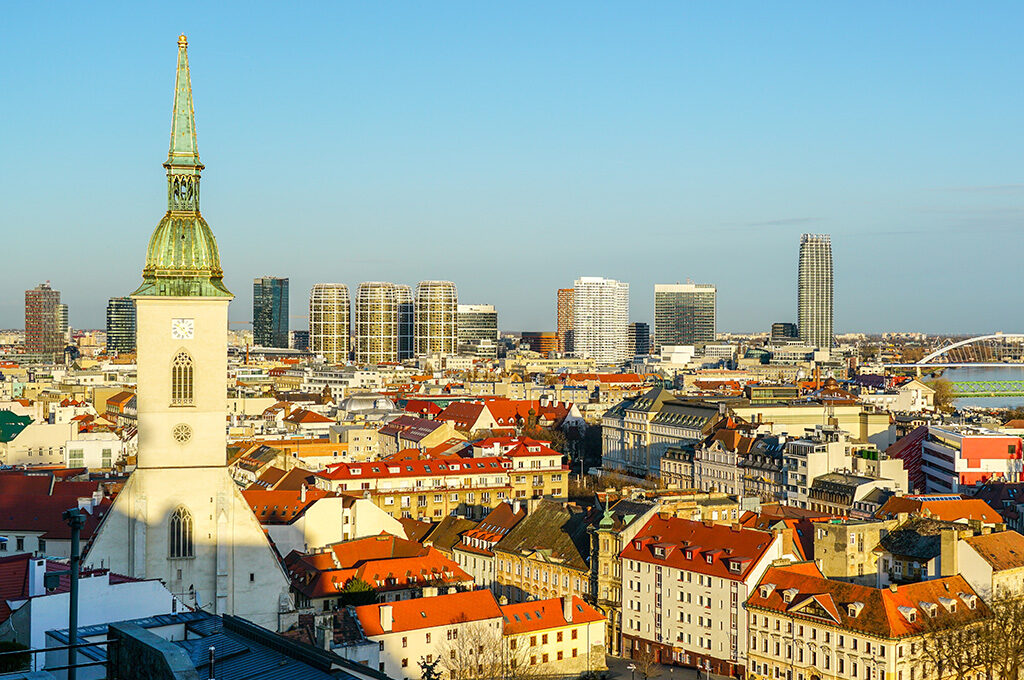
Tip: Climb to Bratislava Castle in late afternoon for the best light over the Danube and the Old Town spires.
9. Ljubljana is the quiet favourite among people who’ve already done Prague and Budapest, a compact, car-free centre, a castle overlooking it all, and a food scene that’s improved dramatically in recent years.
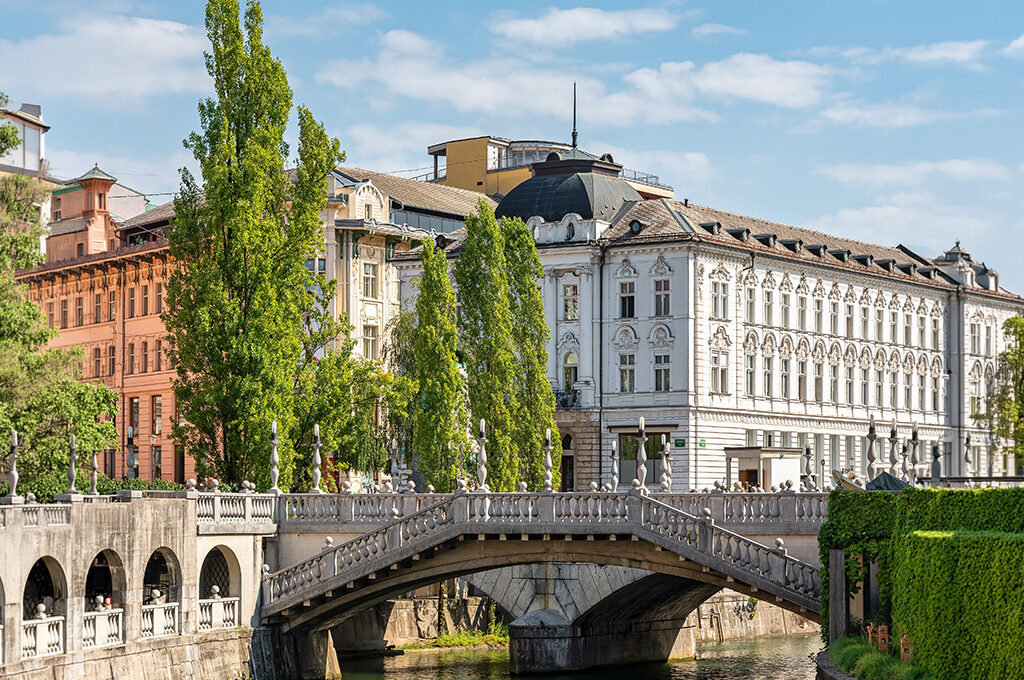
Tip: Rent a bike for an hour, the city’s cycle paths make it one of the easiest European capitals to see without a car.
10. Lake Bled is one of Eastern Europe’s most photographed spots, with a tiny island church reachable by traditional wooden boats and a cliffside castle above the water.
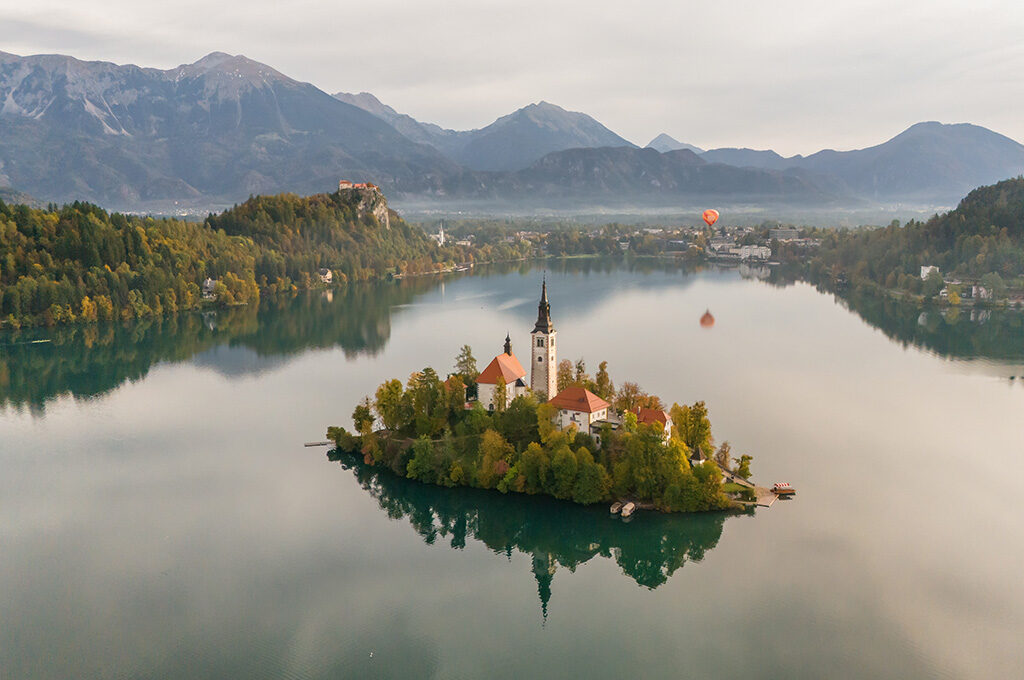
Tip: Try the local kremšnita (cream cake) at the Park Hotel, it’s been served there since 1953 for good reason.
11. Dubrovnik’s walled old town is Croatia’s postcard image for good reason, and the Adriatic views from the city walls or the Srd cable car are hard to beat.
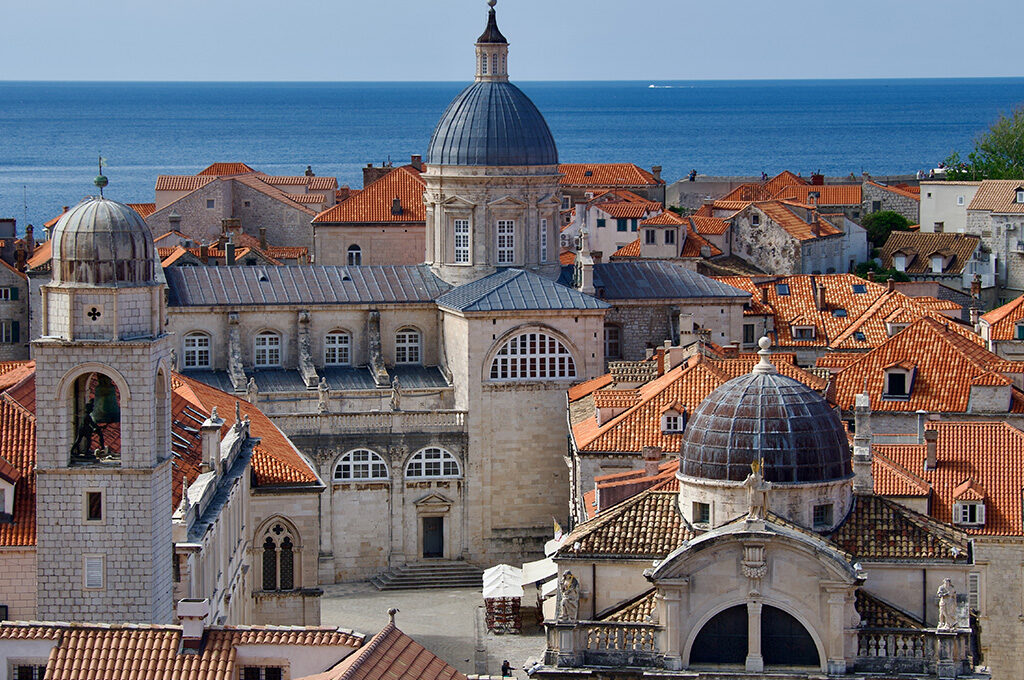
Tip: Walk the city walls at opening time, not midday, both the heat and the crowds are considerably worse by noon.
12. Zagreb’s walkable, café-lined centre is a calmer, cheaper alternative to the coast, with a genuinely good contemporary art and food scene.
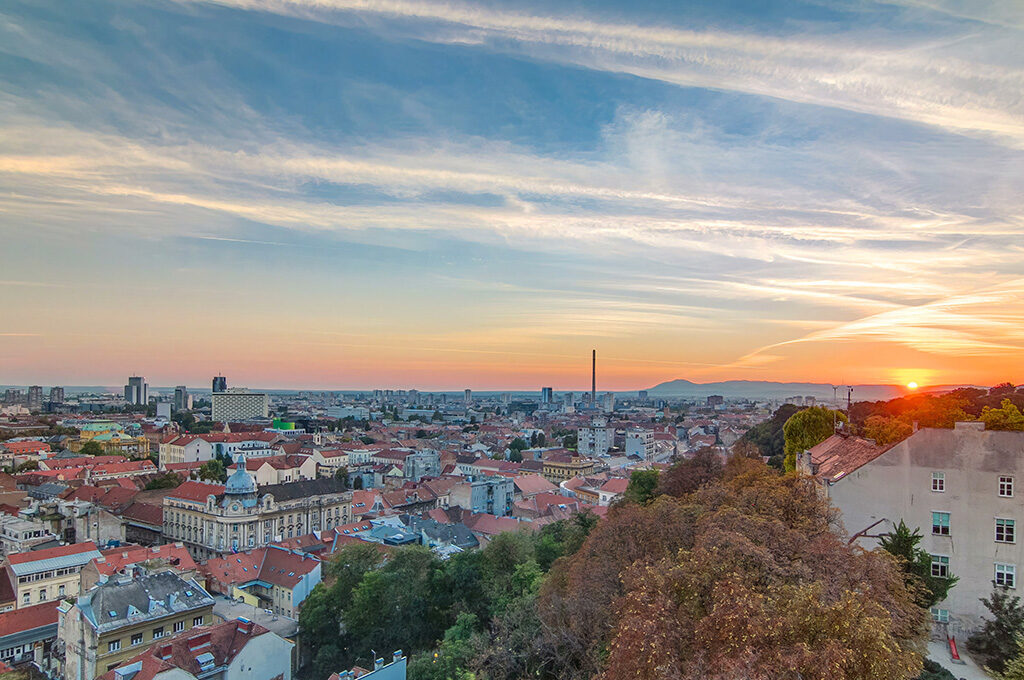
Tip: Upper Town (Gornji Grad) is where the atmosphere is, skip the busier lower streets if time is short.
13. Split is shaped almost entirely by Diocletian’s Palace, a Roman fortress that isn’t a sealed-off attraction but the actual living centre of the city.
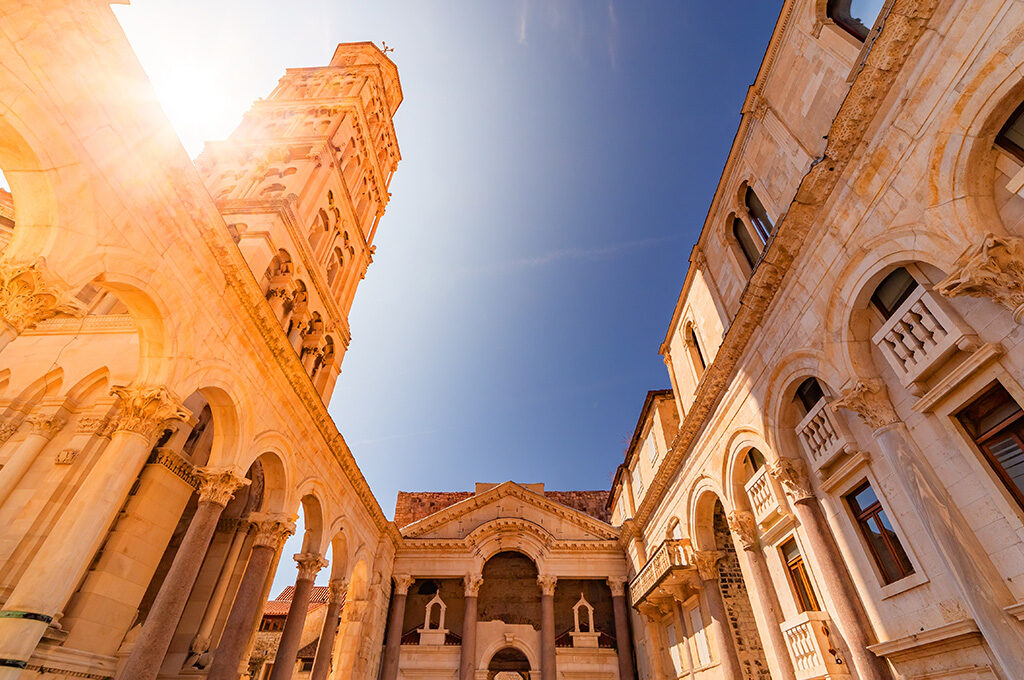
Tip: Stay inside the palace walls if you can, waking up inside a 1,700-year-old Roman complex is a genuinely different experience.
14. Plitvice Lakes National Park is widely considered one of the top natural attractions in Europe, sixteen turquoise lakes connected by cascading waterfalls, with wooden boardwalks suspended over the water.
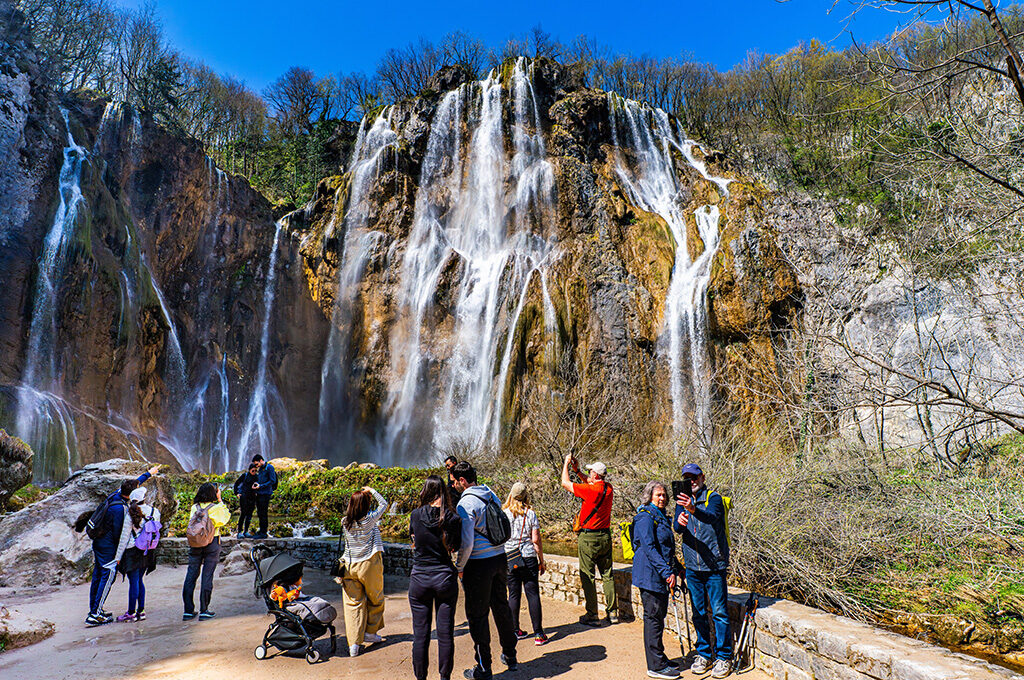
Tip: Visit as a day trip from Zagreb rather than staying overnight nearby, accommodation options close to the park are limited and overpriced.
15. Riga has the highest concentration of Art Nouveau architecture anywhere in the world, alongside a maze-like old town and one of Europe’s largest covered markets, housed in old Zeppelin hangars.
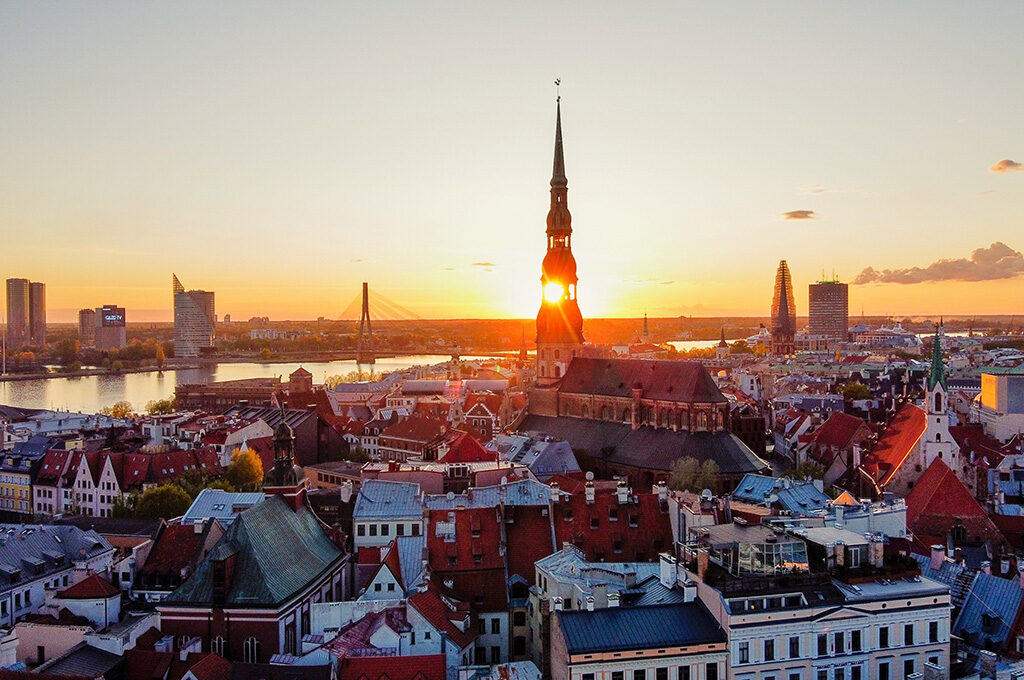
Tip: Look up constantly in the Art Nouveau quarter, the best detail is almost always above ground-floor level.
16. Tallinn’s old town is one of the best-preserved medieval centres left standing anywhere in Europe, with fairy-tale spires and red-tiled roofs throughout.
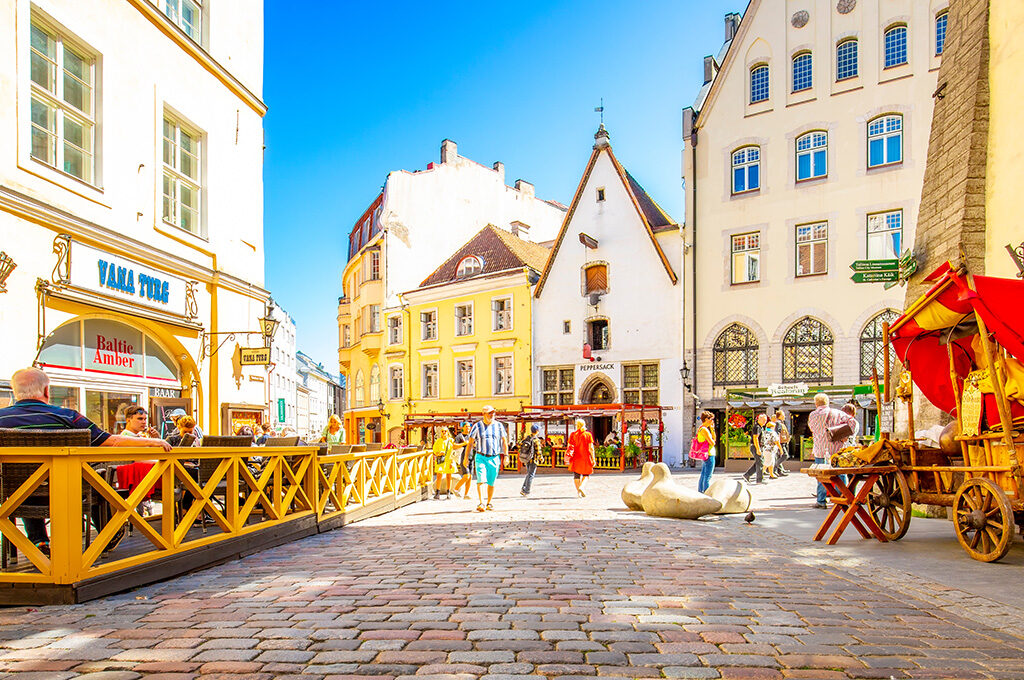
Tip: Buy the Tallinn Card if you’re staying more than a day, it covers public transport and most museum entry fees in one go.
17. Vilnius mixes baroque grandeur with a scrappy, creative energy that’s still largely undiscovered by UK visitors, and has one of the largest and best-preserved old towns in Europe.
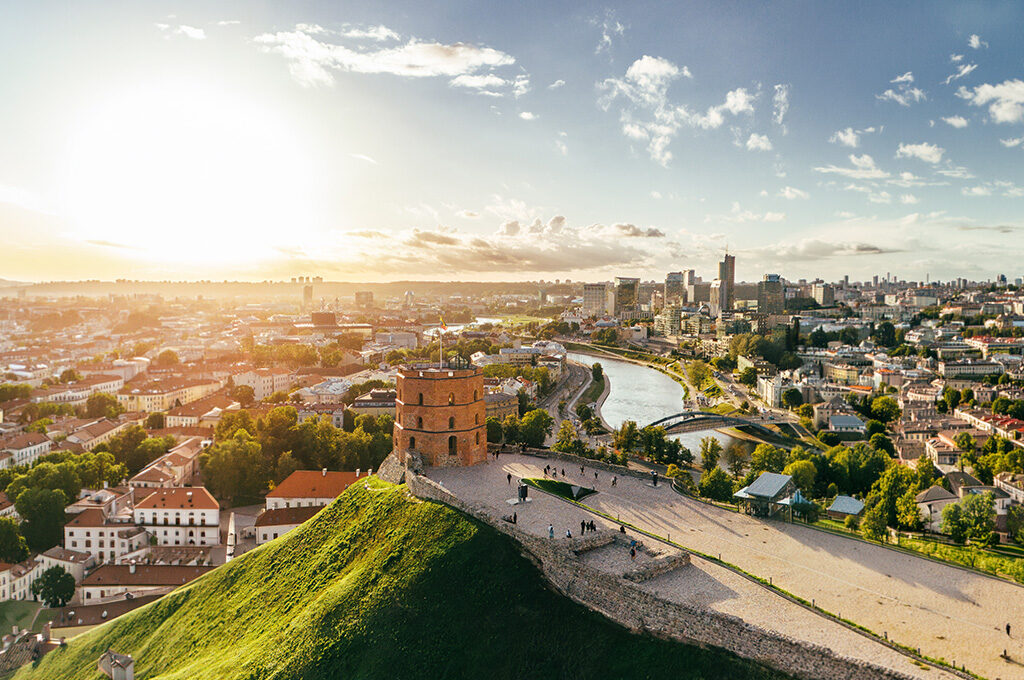
Tip: Head to Paupys Market for lunch, a hip riverside food hall that’s a good gauge of how the city has modernised without losing its character.
18. Sofia is one of Europe’s oldest capitals but rarely gets credit for it, anchored by the golden-domed Alexander Nevsky Cathedral.
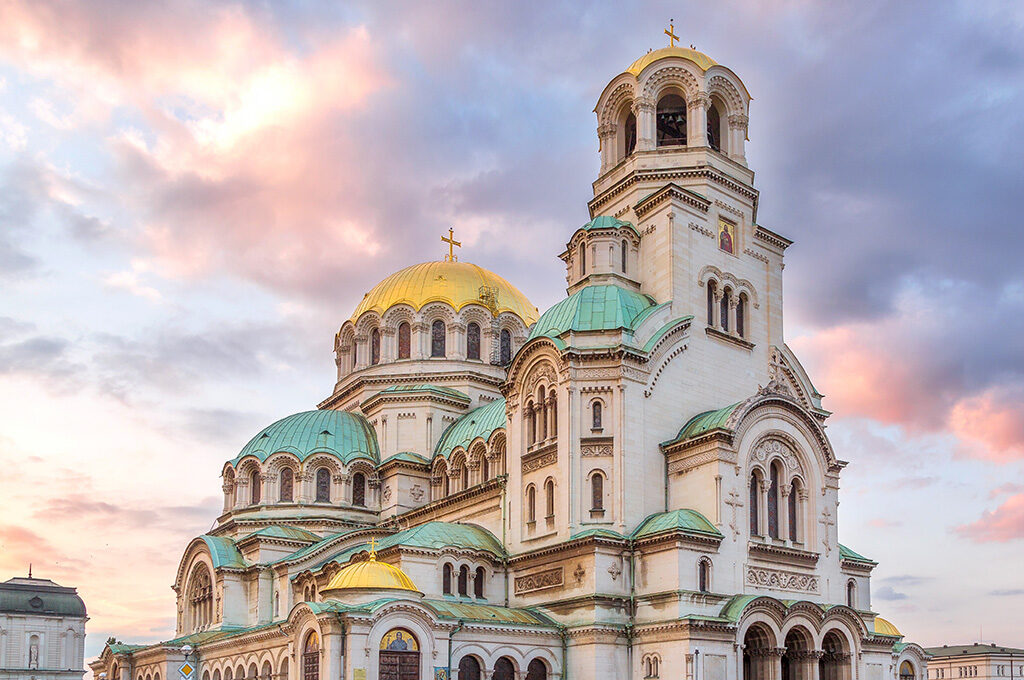
Tip: Use Sofia as a base for a day trip to the Rila Monastery, Bulgaria’s most important religious site and a genuine highlight of the whole country.
19. Beyond the capital, Plovdiv (a past European Capital of Culture) and the Black Sea town of Sozopol are both worth the extra stop if your itinerary has room.
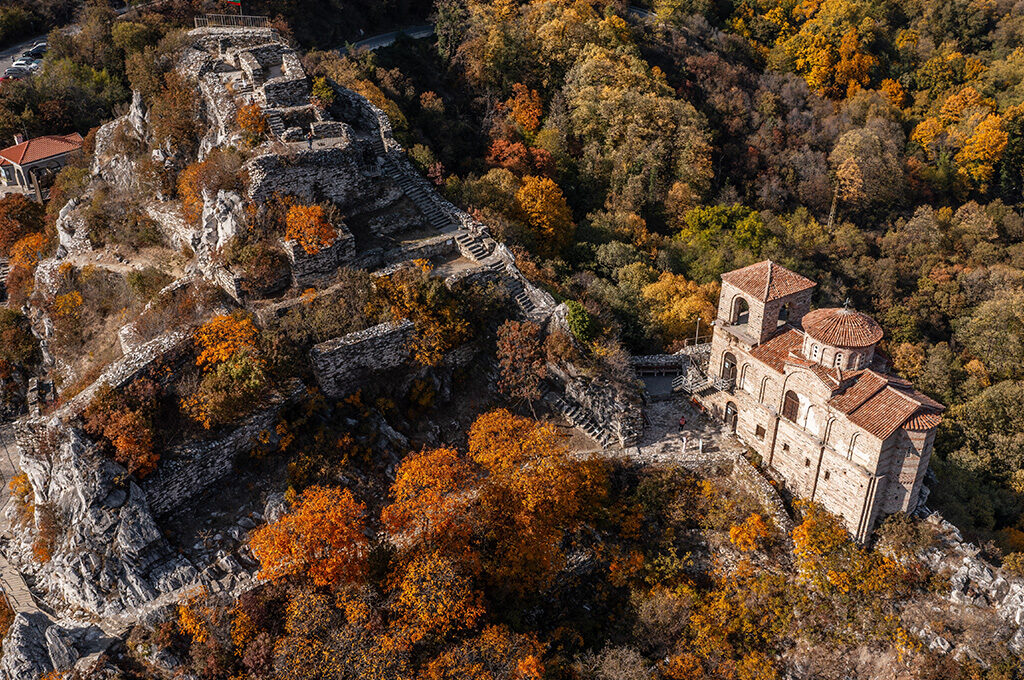
Tip: Plovdiv’s old town is best explored on foot in the early evening, once the day-trip coach groups have moved on.
20. Bucharest is a city of contrasts, grand Belle Époque buildings sitting beside communist-era blocks and a growing arts scene, anchored by the colossal Palace of Parliament.
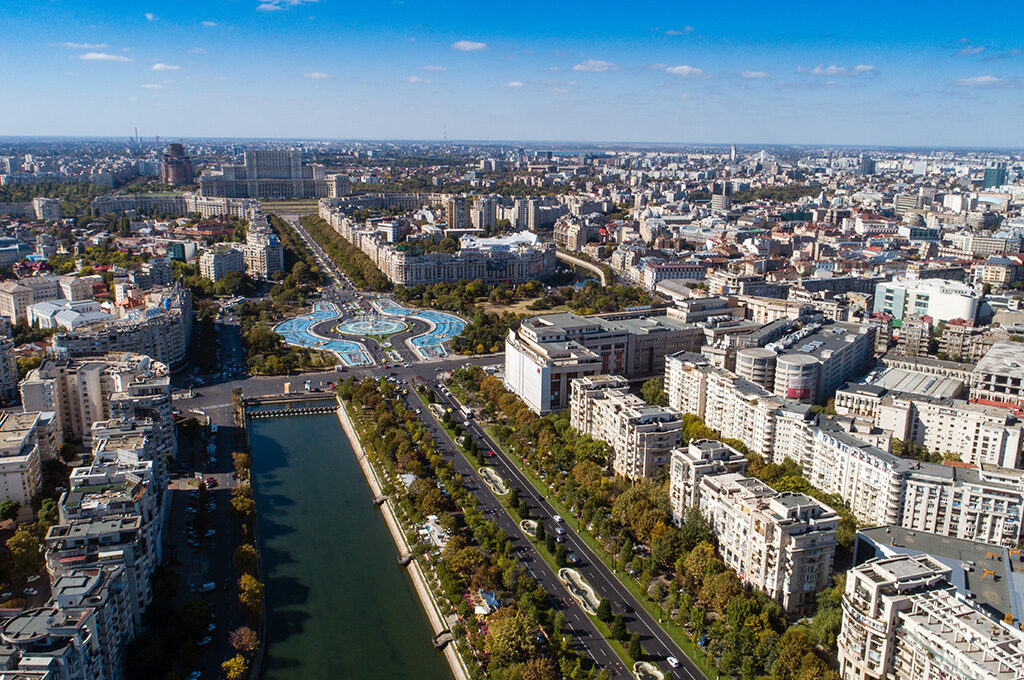
Tip: Book a guided Palace of Parliament tour in advance, walk-up tickets are limited and queues can eat up half a day.
21. Romania’s real pull, though, is Transylvania, the fairytale town of Sibiu, the gateway city of Brasov, and the medieval citadel of Sighisoara, birthplace of Vlad the Impaler.
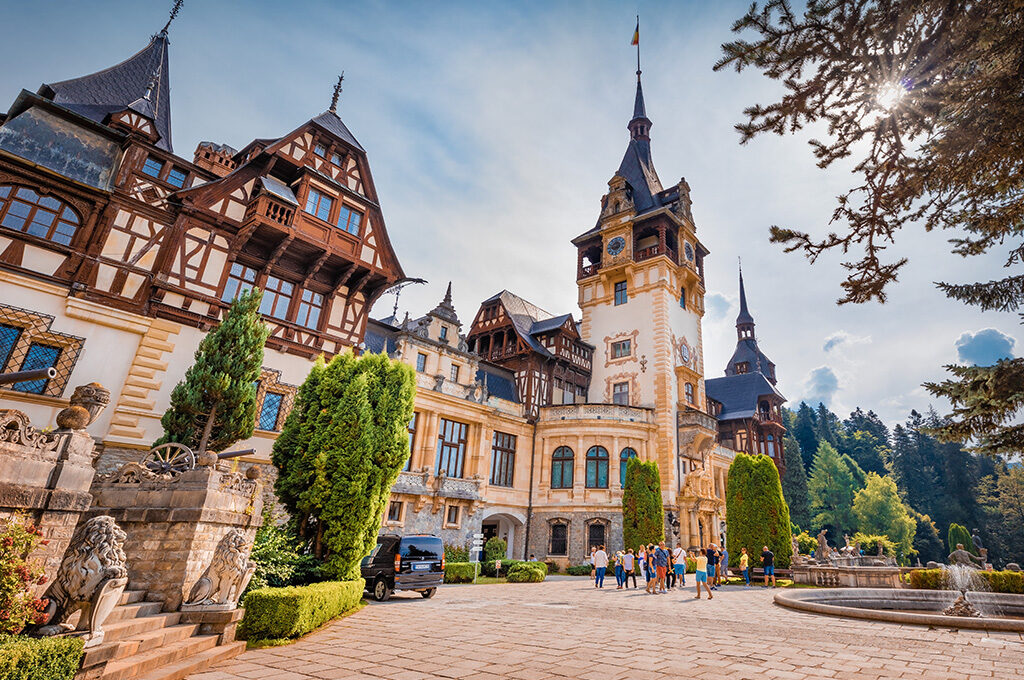
Tip: Base yourself in Brasov and day-trip to Bran Castle and Sighișoara rather than moving hotels, the region is more compact than it looks on a map. Looking for a curated itinerary? Browse Transylvania and Bucharest holiday packages that combine fairytale villages with Bucharest’s urban energy.
22. Belgrade’s riverside “floating club” nightlife scene and relaxed, affordable pace makes it one of the better-value capitals on this list.
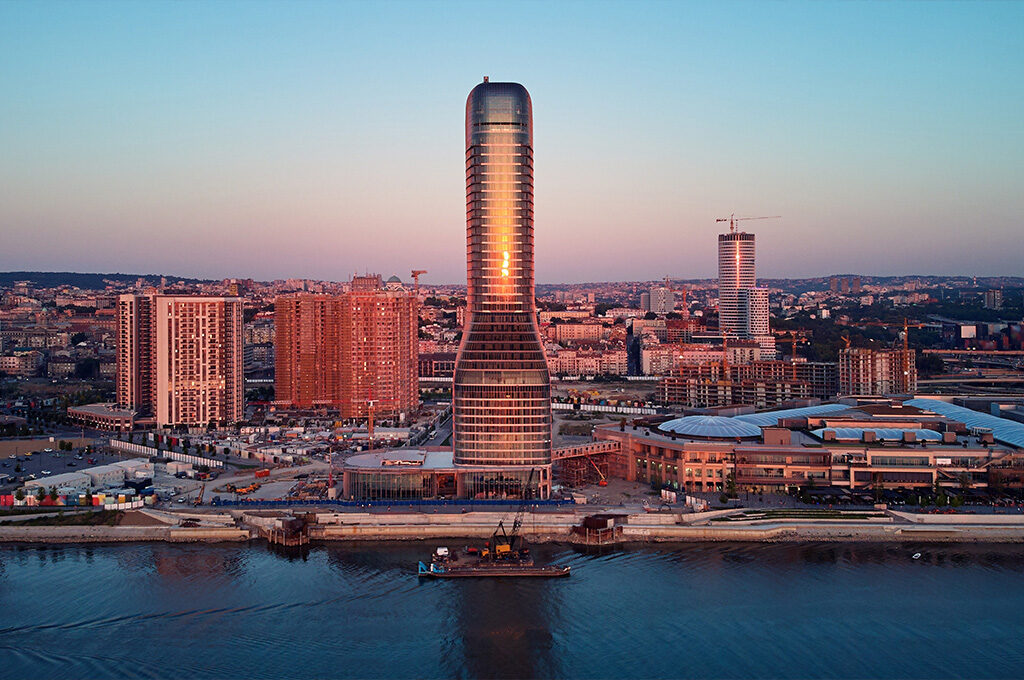
Tip: Visit Kalemegdan Citadel at sunset, it’s free, and the view over the Sava and Danube rivers meeting is one of the best in the city.
23. Novi Sad, a couple of hours north of Belgrade, is calmer and prettier than the capital, and makes a good day trip or overnight add-on.
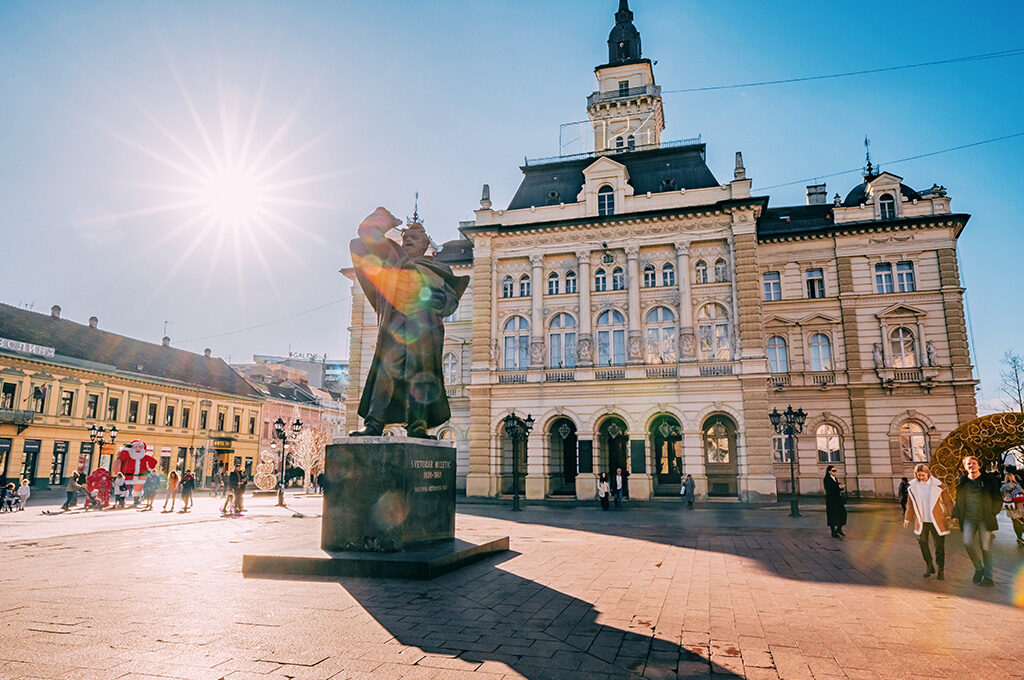
Tip: Combine it with the EXIT festival dates if you’re visiting in July, otherwise, go any other week for a much quieter visit.
24. Kotor, Montenegro, is tucked into a fjord-like bay and is a living relic of medieval Europe, with a walled old town and a fortress accessible via roughly 1,350 steps.
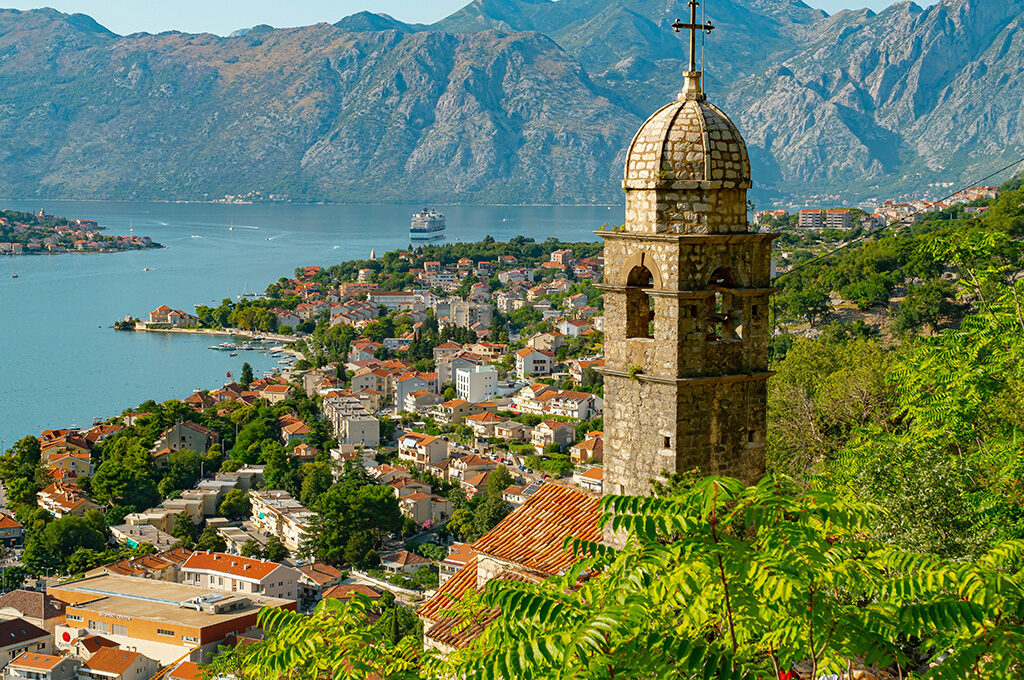
Tip: Climb the fortress steps early morning before the heat sets in, there’s very little shade on the way up.
25. Skopje’s main appeal is as a base for Lake Ohrid, a UNESCO-listed lake and old town a couple of hours south, consistently one of the most relaxing stops in the whole region.
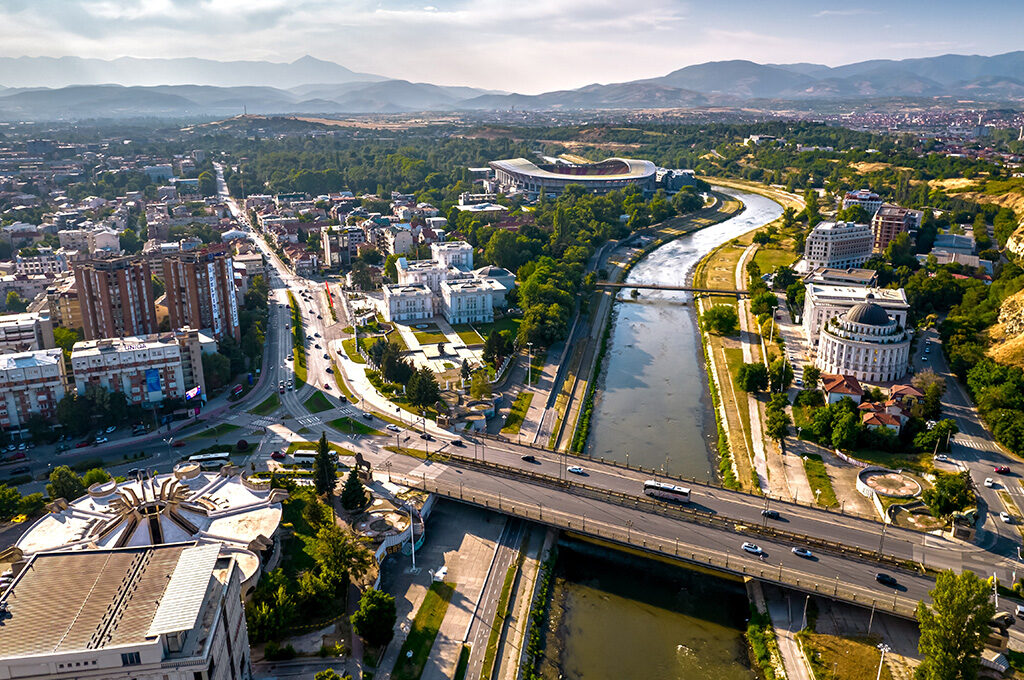
Tip: Spend one night in Skopje at most, then move straight to Lake Ohrid, that’s where the real highlight of North Macedonia is.
26. Tirana, Albania, has become genuinely cool in recent years, particularly the Blloku neighbourhood’s bars and galleries, and the country as a whole remains one of the cheapest in Europe to visit.
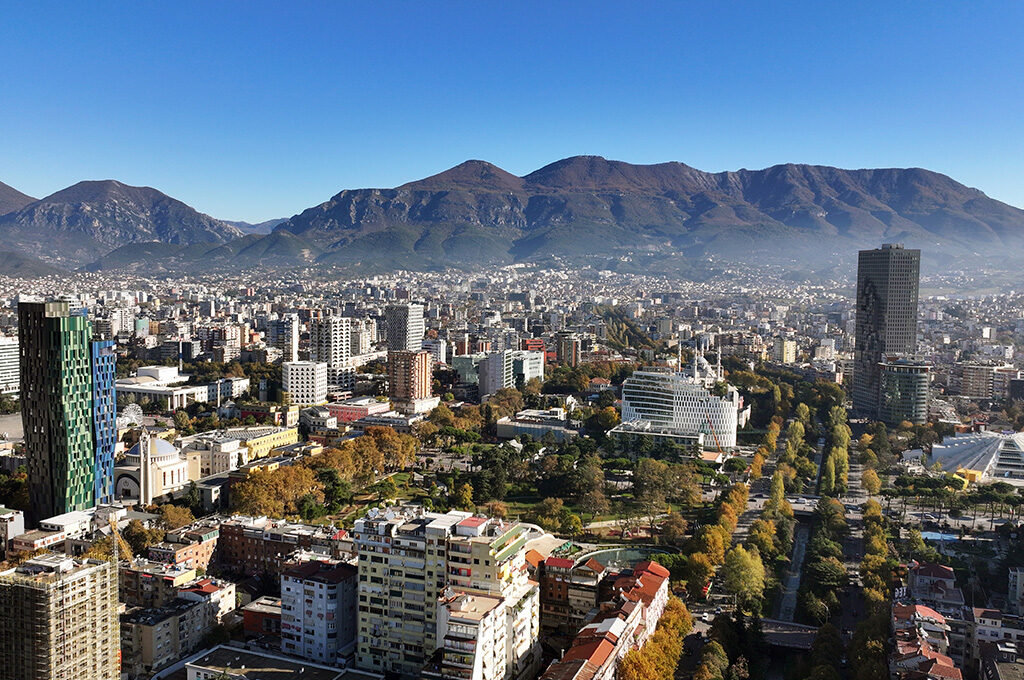
Tip: If you want to go deeper into Albania beyond Tirana, our Albania holiday guide covers Berat and the rest of the country in full.
27. Sarajevo, host of the 1984 Winter Olympics, carries a complex and moving history, from the start of the First World War to the more recent Balkan War, alongside a genuinely vibrant old Turkish Quarter.
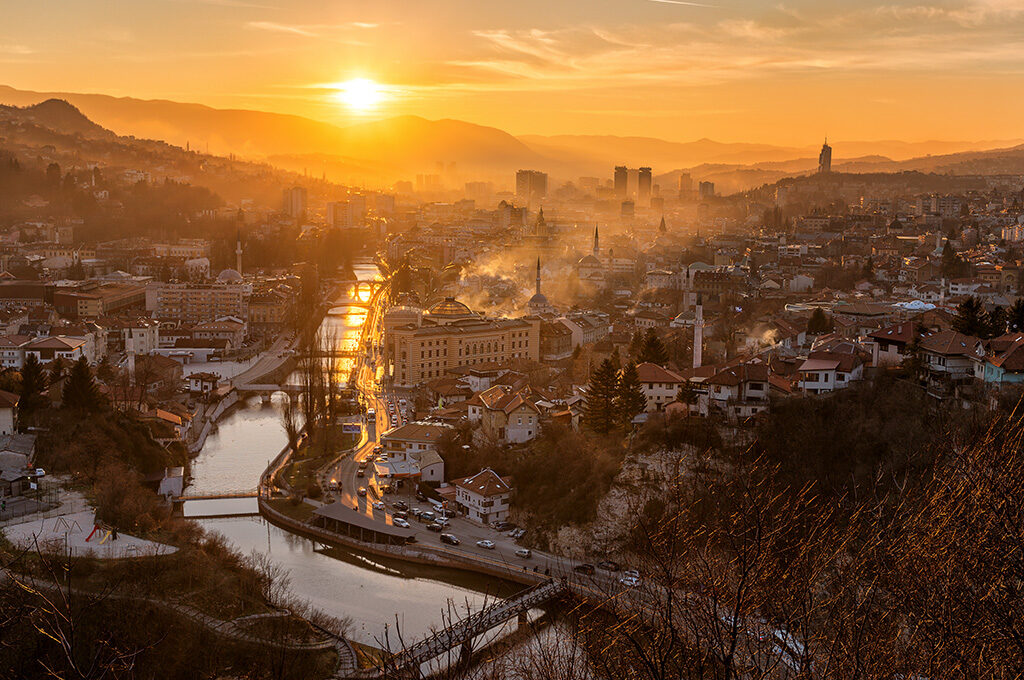
Tip: Walk the “Sarajevo Roses” (shell-scarred pavement marks filled with red resin) with a guide rather than alone, the context makes a huge difference.
28. Mostar’s arched stone bridge and Ottoman-era old town make it one of the most photogenic stops in the Balkans.
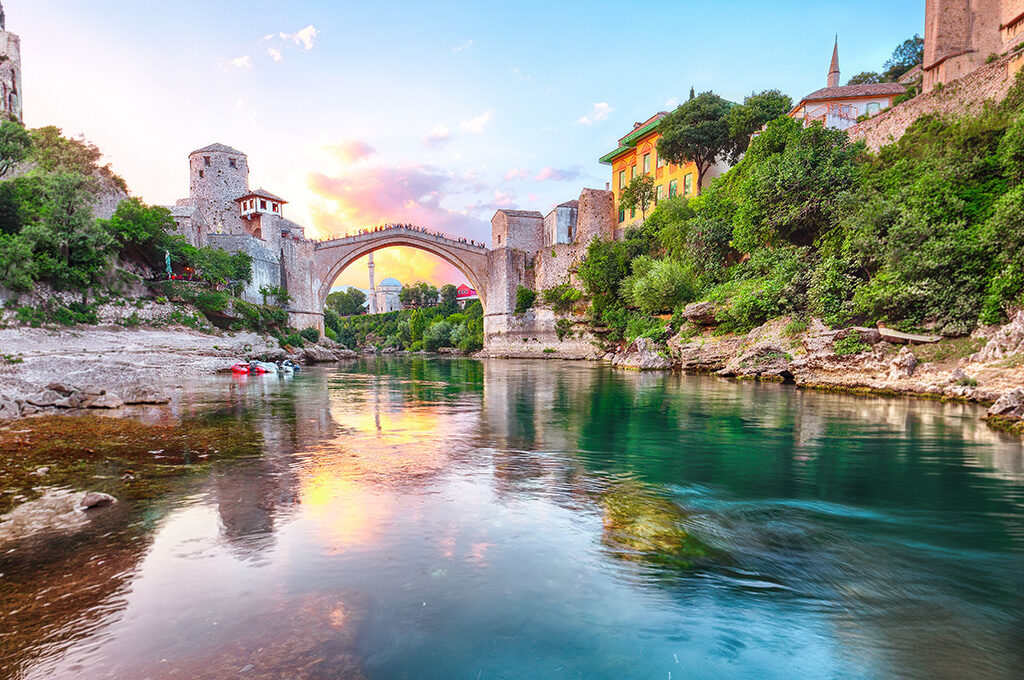
Tip: Watch (or sign up for) the traditional bridge diving, locals jump from the 24-metre-high Stari Most most afternoons in summer.
29. Kravice, a waterfall and natural swimming spot near Mostar, is one of Bosnia’s best-kept secrets and an easy half-day trip.
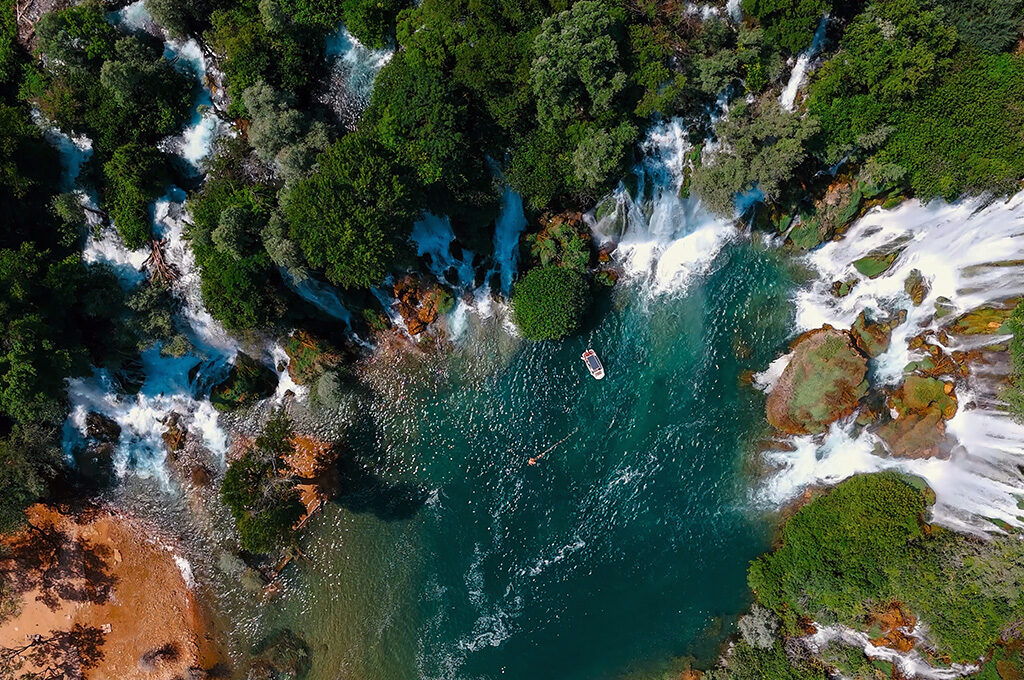
Tip: Go early or late in the day in summer, this spot has become considerably more popular in the last few years and fills up by midday.
Which Eastern European City Is Best For…?
- First-timers: Prague, the easiest city to navigate with the most “wow factor” per day
- Budget breaks: Sofia or Belgrade, the lowest costs for food, drink and accommodation on this list
- Couples: Ljubljana or Lake Bled, compact, scenic, and far less crowded than the bigger capitals
- Foodies: Vilnius or Zagreb, both have stepped up their food scenes noticeably in the last few years
- Nature lovers: Plitvice Lakes or Lake Ohrid, genuinely some of the best natural scenery anywhere in Europe
Best Time to Visit Eastern European Cities
Spring (April to June) and autumn (September to October) bring milder weather and thinner crowds across most of these top eastern european cities to visit, with autumn foliage adding real photogenic value in Kraków and the Baltics. Winter has its own appeal too, Christmas markets across the region run among the oldest and most atmospheric in Europe, and Budapest’s thermal baths are arguably better in the cold than in summer.
Planning Your Eastern Europe City Break
Whichever of these eastern european countries makes the final cut, most of these cities connect easily from UK airports with flight times under three hours, making a long weekend genuinely doable without burning a full day on travel either end. If European winter charm is part of the appeal, our European Christmas markets guide pairs naturally with a trip here, and our saving money for a holiday guide is worth a read if budget is the main draw of heading east rather than west. Head over to Vibes Group UK to browse current deals, or get in touch and we’ll help you build the right city-break itinerary.
FAQs about Best Eastern European Cities to Visit
Which Eastern European city is best for a first visit?
Prague is the easiest first-timer pick, with excellent flight connections, a walkable old town, and enough to see in three to four days without needing a car.
Is Eastern Europe cheaper than Western Europe?
Generally yes. Food, drink, and accommodation in cities like Budapest, Kraków, Sofia and Belgrade typically cost significantly less than equivalent Western European capitals.
How many days do you need for an Eastern Europe city trip?
Seven to ten days covers two or three cities comfortably, such as Prague, Budapest and Kraków together. A single city deserves three to four days minimum to see it properly.
Is Prague or Budapest better to visit?
Both are excellent and often paired on one trip. Prague edges it for architecture and walkability; Budapest wins on nightlife, thermal baths and overall scale.
Is it safe to visit Eastern Europe right now?
Most of the region, including Prague, Budapest, Kraków and the Baltic states, is entirely safe for normal tourism. Always check current FCDO advice, as it does not currently recommend travel to Russia or parts of Ukraine.