


The first time someone tells you they’re going on a cruise, you can usually spot two reactions: pure excitement, or a slightly nervous “but how does it actually work?” If you’ve never set foot on a ship before, that second reaction is completely normal – and it’s exactly why we put this guide together.
Why First Time Cruise Tips Matter More Than You’d Think
We talk to first-time cruisers every week at Vibes Group, and the questions are almost always the same: What do I pack? Do I need to tip? What happens if I miss the ship in port? Is it actually worth it? So instead of another generic listicle, we’ve pulled together the first time cruise tips that genuinely make a difference – the kind built from real conversations with real cruisers, not recycled advice.
A cruise isn’t like a normal holiday. You’re not just booking a hotel – you’re booking transport, accommodation, dining and entertainment all in one, often across several countries in a single week. That’s exactly why it appeals to so many people, but it’s also why going in without a little cruise advice can mean missing out on the best bits, or worse, an unnecessarily stressful start to your trip.
Get the basics right, and a cruise becomes one of the easiest, most relaxing ways to see multiple destinations without unpacking once. Get them wrong, and you can end up overpaying for drinks, missing your ship’s departure, or simply not knowing what to do with yourself on day one. These first time cruise tips are designed to make sure it’s the former.
1. Choose the Right Ship and Itinerary for a First Cruise
Not every cruise suits every traveller, and that’s especially true for your first cruise. If you’re nervous about being at sea for long stretches, a Mediterranean or river cruise with frequent port days is a gentler introduction than a long transatlantic crossing.
For UK first-timers, we usually recommend itineraries with a port (or new view) most days, it breaks the trip into manageable chunks and keeps things interesting. A short Mediterranean route like our Portofino, Florence & Kotor cruise is a great example of what works well as a best cruise for first timers: varied scenery, manageable sailing distances, and an easy rhythm to settle into.
If the idea of a big ocean liner feels like too much too soon, river cruising is worth considering instead. Routes along the Danube or Douro are calmer, smaller-scale, and dock centrally in each city – ideal for cruises for beginners who want culture and scenery without big-ship energy.
2. Book Through a Travel Agent, Not Just a Comparison Site
This is the tip most first-timers don’t know to ask for. A specialist consultant can match your itinerary, cabin type and cruise line to your actual travel style, something a price-comparison page can’t do. They’ll also flag the details that matter (gratuities included or not, drinks packages, embarkation times) before you book, not after.
3. Pick Your Cabin Based on How You’ll Actually Use It
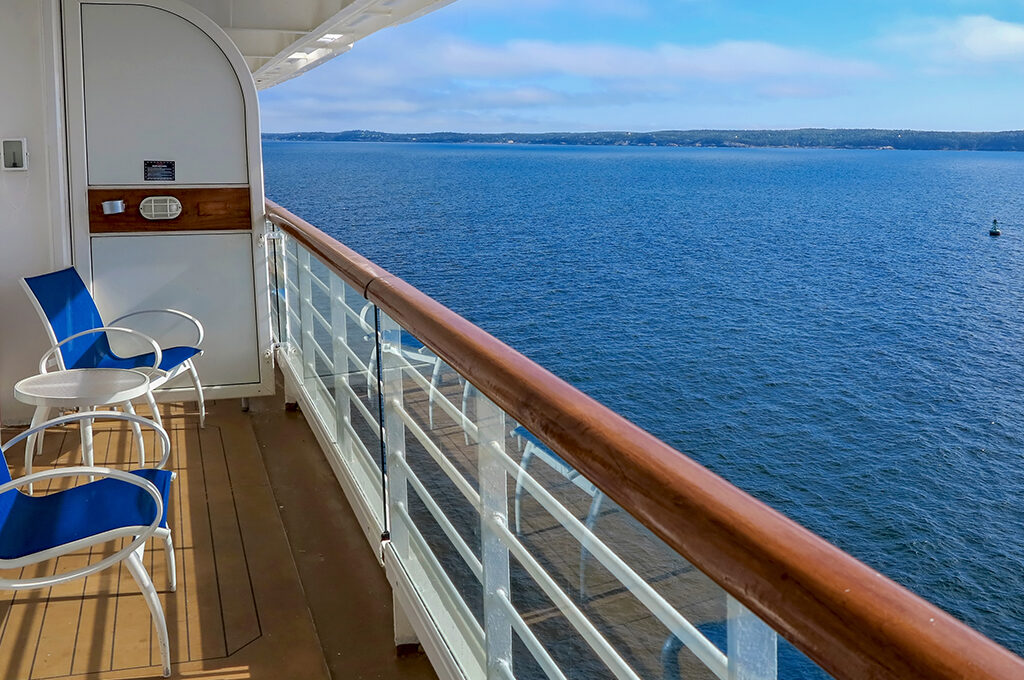
Inside cabins are cheaper and perfectly fine if you’re planning to spend most of your time exploring the ship and ports. If you’re prone to seasickness or just like starting the day with a sea view, a balcony cabin is worth the upgrade – you’ll use it more than you’d expect, especially on sailing days.
4. Pack Smarter, Not Heavier
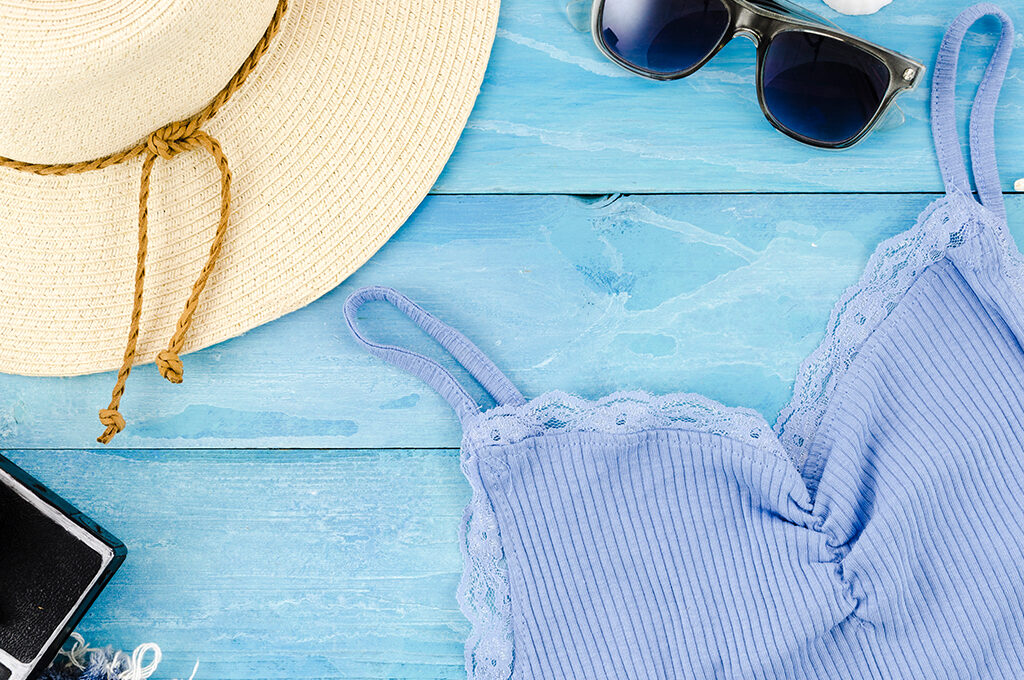
Cruise packing has its own logic. Bring layers (ships are air-conditioned, evenings on deck can be breezy), one or two smart outfits for formal nights, and a lanyard for your cruise card – you’ll use it constantly for cabin access, onboard payments and getting on and off the ship. A portable phone charger and a basic over-the-door organiser for your cabin are two of the best cruise hacks nobody mentions until you’re already onboard.
5. Understand How Onboard Spending Works Before You Board
Most cruise ships run on a cashless system tied to your cabin card. It’s brilliantly convenient – and also exactly how costs creep up without you noticing. Set yourself a rough daily budget for drinks and extras, and check whether a drinks or Wi-Fi package is worth adding at booking stage; it’s almost always cheaper than paying as you go.
6. Learn the Tipping Norms for Your Cruise Line
Gratuities differ by cruise line – some include them in your fare, others add a daily service charge automatically, and some leave tipping entirely optional. Always check this when going on a cruise for the first time, as it affects your overall budget more than people expect.
7. Arrive a Day Early for Embarkation
Flight delays and cruise departures don’t wait for each other. Arriving the night before your cruise – particularly for fly-cruises, removes the single biggest source of first-cruise stress: the fear of missing the ship before the trip has even started.
8. Don’t Skip the Muster Drill
The mandatory safety briefing might feel like a formality, but it’s the one thing every cruise line takes completely seriously, and for good reason. Treat it as a five-minute investment in peace of mind for the rest of your cruise ship holiday.
9. Plan Port Days Loosely, Not Rigidly
It’s tempting to book an excursion in every single port. Resist that. Leave at least one or two ports unplanned so you can wander, relax, or simply enjoy time back onboard while the ship is quieter. This balance is one of the most underrated pieces of cruise tips advice, over scheduling is the fastest way to come home more tired than when you left.
10. Know the Ship’s Layout Early
Spend your first afternoon walking the ship deck by deck. It sounds basic, but knowing where the lifts, dining rooms and your cabin are in relation to each other saves a surprising amount of confusion in the first 24 hours.
11. Talk to Other Cruisers

One of the most underrated parts of cruising is the social side. Dinner seating, deck loungers, and onboard activities all create natural opportunities to chat, many first-timers tell us this becomes their favourite part of the whole trip.
12. Keep an Open Mind About Formal Nights
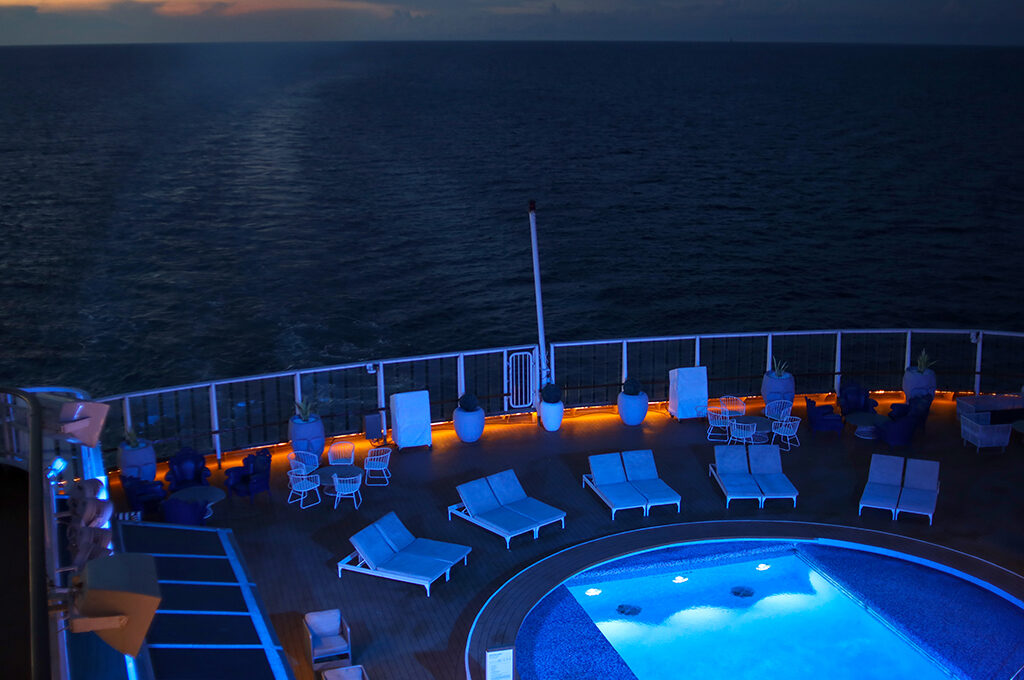
Formal nights have a reputation that doesn’t always match reality, most ships keep it relaxed and optional rather than strict black-tie. Pack one smart outfit, enjoy the slightly different atmosphere, and don’t stress over it further than that.
Your Quick First Time Cruise Tips Checklist
- Choose an itinerary with frequent ports for an easier first cruise
- Book through a specialist consultant, not just a comparison site
- Match your cabin type to how you’ll actually use it
- Pack layers, a lanyard, and a portable charger
- Set a rough onboard spending budget in advance
- Check the tipping policy for your specific cruise line
- Arrive a day early for embarkation
- Attend the muster drill
- Leave at least one port day unplanned
- Walk the ship on day one to get your bearings
For an official, independent overview of passenger rights and what cruise lines are required to provide, the Cruise Lines International Association (CLIA) is a useful, trustworthy resource to bookmark before you sail.
Final Thoughts: Your First Cruise Should Be the Easy Part
Cruising earns its reputation as one of the most relaxing ways to travel for one simple reason: once you’re onboard, almost everything is already taken care of. The only real work is in the planning, and that’s exactly what these first time cruise tips are here to simplify.
If you’re ready to start looking at options, our team can help match your first cruise to the right ship, cabin and itinerary for how you actually want to travel. Browse our current cruise deals or get in touch with a Vibes Group consultant, and we’ll take care of the details so all that’s left to do is enjoy the view.
Thinking about booking your first cruise? Get in touch with Vibes Group and let’s find the right one for you.
FAQs about First time cruise tips
What is the best type of cruise for a first-timer?
A shorter itinerary with frequent ports, like a Mediterranean cruise, is usually the easiest and most enjoyable introduction to cruising.
How much spending money should I budget for my first cruise?
It depends on the cruise line and how many extras you add, but a sensible starting point is to budget for drinks, Wi-Fi, specialty dining and shore excursions separately from your cruise fare, then add a contingency for souvenirs and spa treatments. Pre-booking a drinks or Wi-Fi package usually works out cheaper than paying as you go.
What should I pack for my first cruise?
Layers for changeable onboard temperatures, one smart outfit for formal nights, a lanyard for your cruise card, and a portable charger.
Is cruising good for people who get seasick?
Larger ships are generally more stable, and a cabin with a window or balcony can help. Calmer river cruises are also a good alternative for first-timers worried about motion sickness.
Do I need to tip on a cruise?
It depends on the cruise line. Some include gratuities in the fare, others add a daily charge automatically – always check this before you book.